
Last updated November 16, 2026
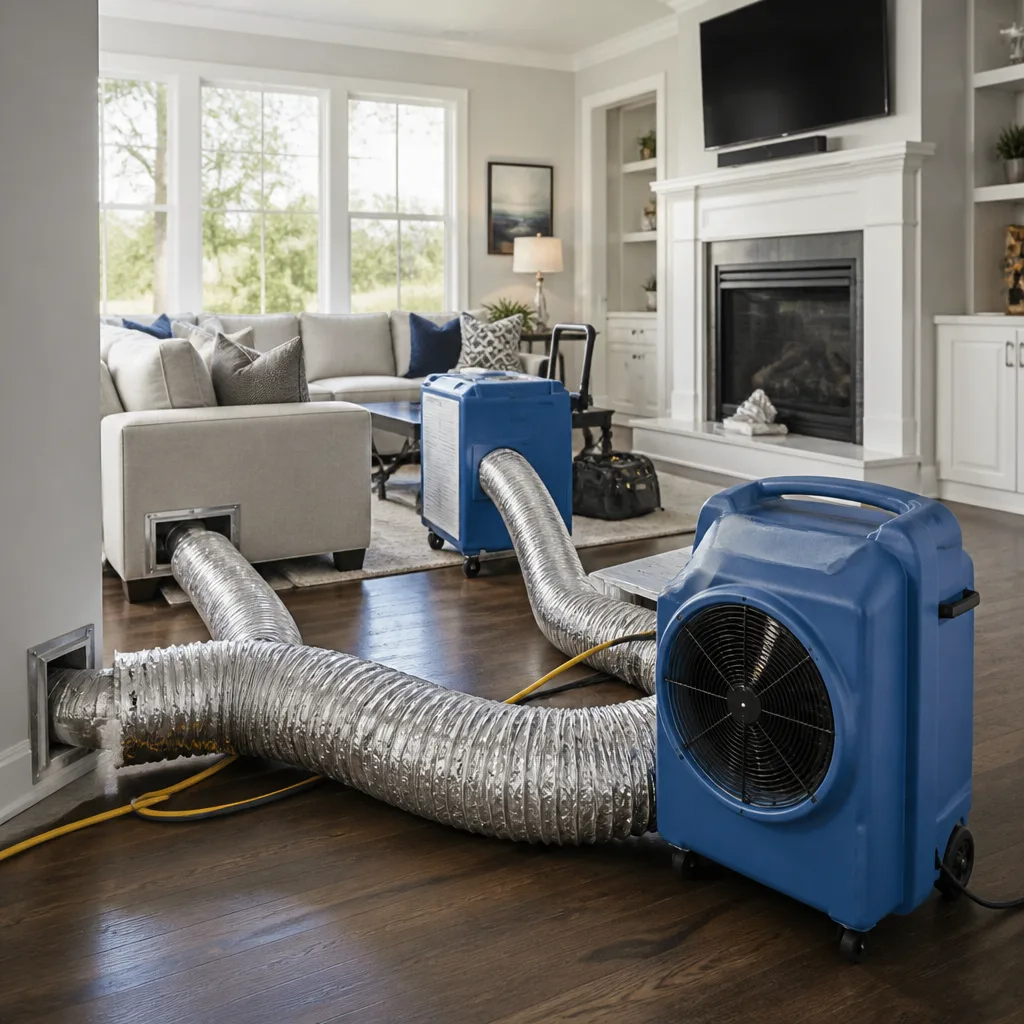 Whole-home duct cleaning
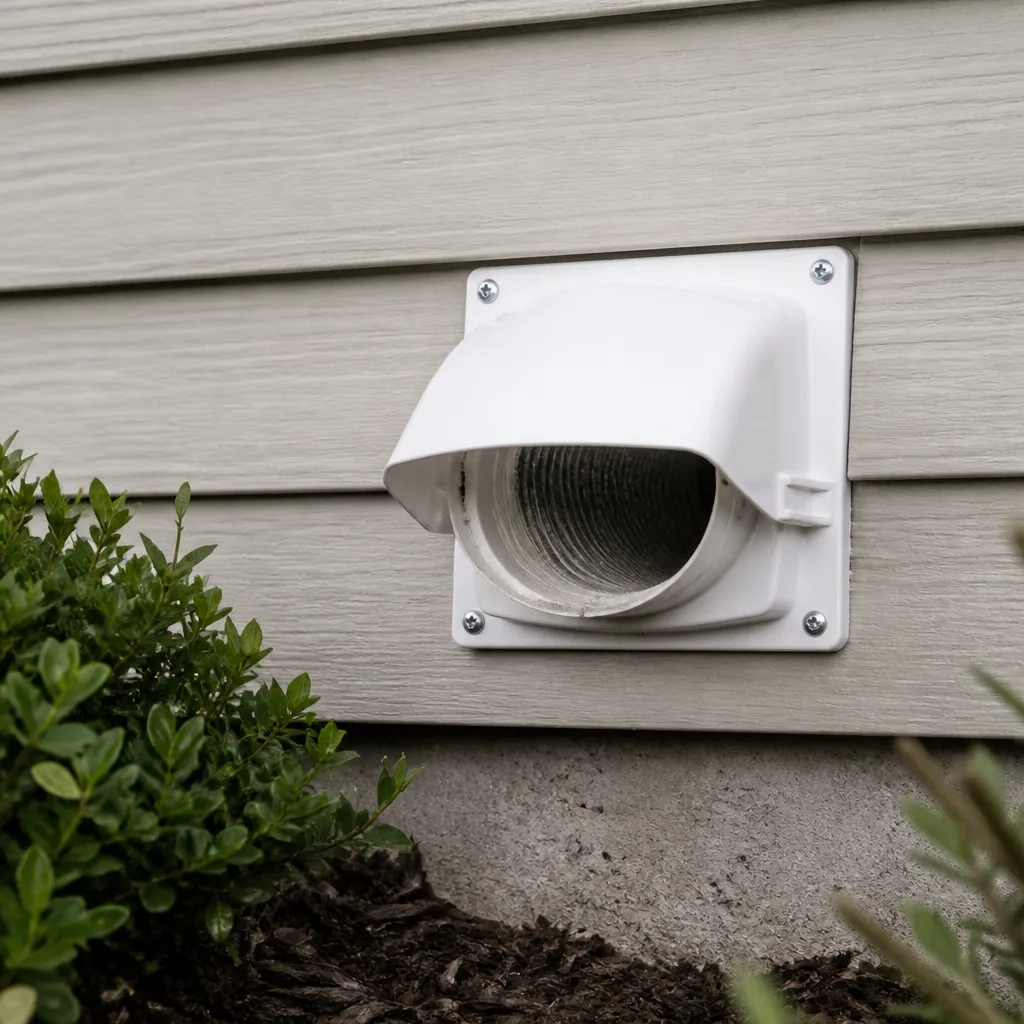 Dryer vent cleaning
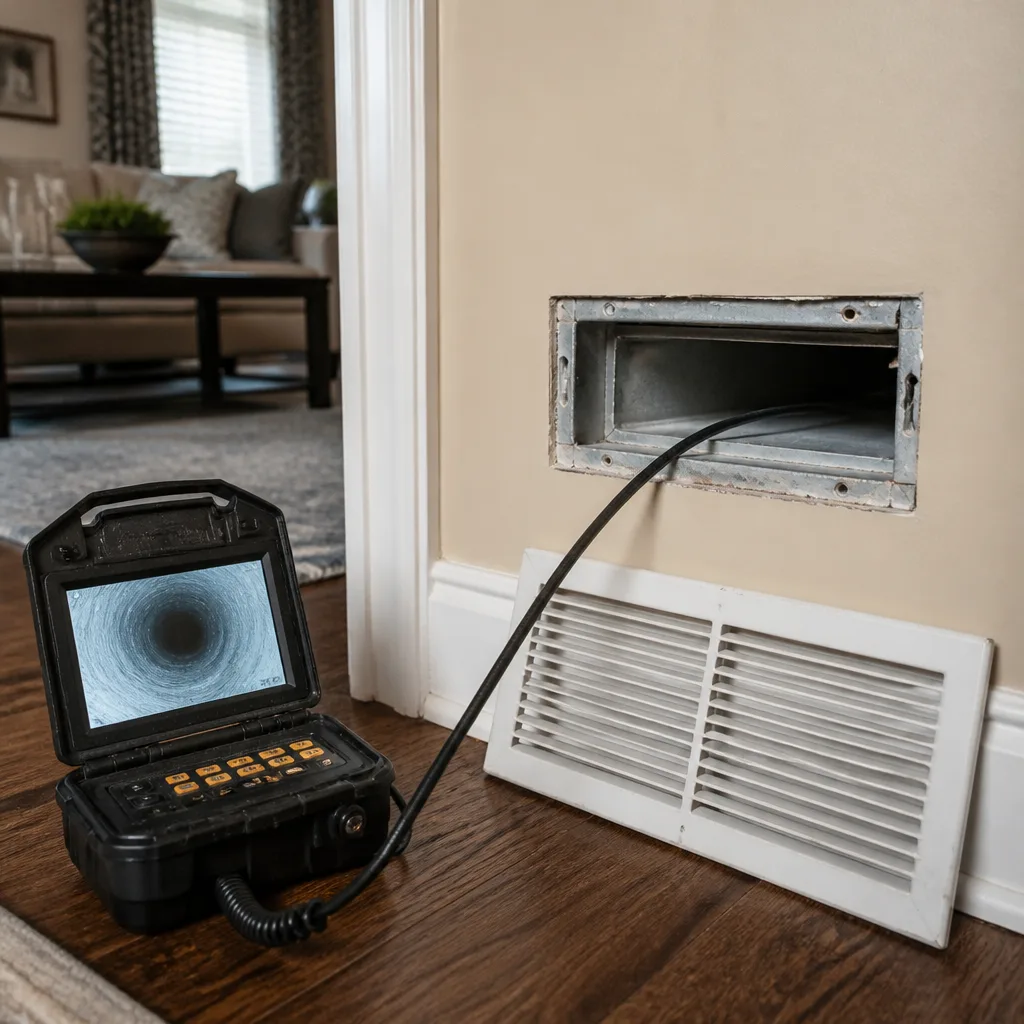 Camera inspection
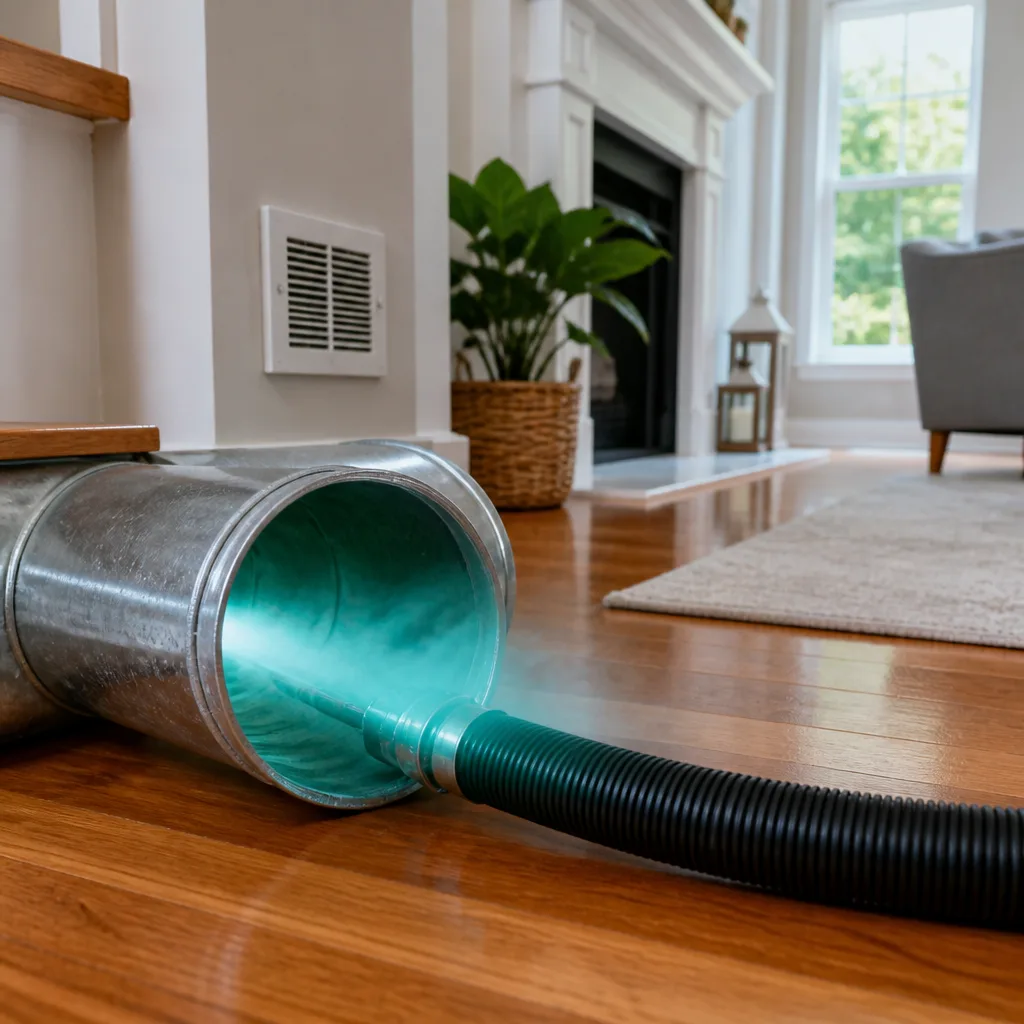 Sanitizing & deodorizing
Whole-system duct and dryer vent check with before-and-after photos - you see exactly what came out of your vents
That "$99 whole-house special" is a bait ad - the real number appears once they are in your hallway, or the "clean" is a shop-vac at the register. We photograph the inside of your ducts before and after instead.
DIY vs Professional Air Duct Cleaning: The Tallahassee Homeowner’s Decision Guide
A consumer dryer vent brush kit and a shop vac will clean about the first four feet of your supply ducting – and in a Tallahassee ranch home with 20-foot duct runs, that’s roughly 20% of the contaminated surface area. That’s the whole debate in one sentence, and almost nobody selling DIY kits will tell you so. The problem isn’t effort or laziness. It’s physics. Consumer vacuums move air at a small fraction of the pressure a professional extraction system generates, and debris sitting ten feet down a duct doesn’t know you bought a brush. This guide breaks down exactly what DIY duct cleaning can and can’t accomplish, what the numbers behind the equipment actually mean, and how to decide – honestly – which route makes sense for your home in Tallahassee this year.
Quick Answer
DIY air duct cleaning can handle the parts you can physically reach: grilles, registers, return filter housings, and short straight flex runs like a dryer vent. But it cannot remove debris from deep supply and return runs, because consumer vacuums and shop vacs can’t generate the negative pressure needed to pull loosened material back out of a 20-foot duct. For most Tallahassee homes with a standard central system, a full professional cleaning is the only way to actually clean what’s inside the ductwork – not just the visible ends of it.
Styles & brands we work with
- Whole-home duct cleaning
- Dryer vent cleaning
- Camera inspection
- Sanitizing & deodorizing
Table of Contents
- The Physics Problem: Why a Shop Vac Isn’t a Duct Cleaner
- What CFM and Negative Static Pressure Actually Mean
- What You Can Legitimately Do Yourself
- Why Flex Duct Is a Special Case
- When DIY Is a Reasonable Interim Measure
- When DIY Delays Necessary Professional Work
- How to Document a DIY Inspection for a Technician
- Side-by-Side: DIY vs Professional Compared
The Physics Problem: Why a Shop Vac Isn’t a Duct Cleaner
Duct cleaning has two jobs that have to happen at the same time: dislodge debris from the duct wall, and capture it before it settles back or gets pushed into the living space. Consumer equipment is decent at the second half within arm’s reach. It’s poor at the first half beyond the register boot, and this is where most DIY attempts quietly fail.
Think about the shape of the problem. In a typical Tallahassee ranch or split-level home, the supply trunks run out from the air handler and split into branches that reach 15 to 25 feet from the mechanical closet. The return side is often similar. Debris accumulates along the bottom of horizontal runs and at the transitions and elbows, and it binds to the inner surface of the duct with static and moisture over time. A brush on a flexible rod can loosen some of it – but the moment it’s loose, it has nowhere to go unless there’s strong airflow pulling it back toward the vacuum source. Without that, you’re just rearranging dust inside the duct.
This is the core of why the DIY vs professional question is not really a labor question. It’s an equipment question. A shop vac rated at 150 CFM operating through a residential hose cannot duplicate the conditions a purpose-built duct cleaning machine creates. That gap is not closed by buying a better brush, working longer, or being more careful. It’s a hard physical limit.
- Consumer shop vacs are designed for wet/dry pickup at the nozzle, not static pressure over distance.
- Residential hoses add friction losses that eat most of the available pressure within the first few feet.
- Loose debris in a long duct requires sustained high-velocity airflow to travel to the collection point.
- Once debris is airborne inside the duct, it stays airborne unless it’s captured – which is a containment problem, not a brush problem.
We use Rotobrush and Nikro systems for exactly this reason. These are purpose-built duct cleaning machines with rotating brush heads and high-flow vacuum, matched to the diameter and material of residential ductwork. They aren’t repurposed tools. That’s the difference between a thorough cleaning and a superficial one, and it’s the single biggest reason a homeowner can’t replicate the work with retail equipment.
What CFM and Negative Static Pressure Actually Mean
CFM means cubic feet per minute – how much air volume the machine moves. Negative static pressure means how hard it pulls against resistance. Duct cleaning needs both, and it needs them maintained at the far end of a long run. A shop vac may advertise a high peak CFM at the nozzle with nothing attached. Attach a hose, add length, work against the resistance of a corrugated duct interior, and that number collapses quickly. This is the technical reason “my shop vac says it pulls 150 CFM” doesn’t mean what most people assume.
Professional truck-mounted and high-capacity portable systems are rated in the thousands of CFM, and – more importantly – they hold meaningful negative pressure at the collection point while a rotating brush is agitating the duct interior. That combination is what makes deep debris removal possible. Without the pressure, the brush just stirs. Without the brush, the pressure only clears what’s already loose.
Here’s the practical way to think about it, without getting lost in the specs:
- Agitation loosens the debris. A rotating brush head or high-pressure air whip breaks the bond between debris and duct wall.
- Airflow carries it. Sustained high-velocity air pushes loosened debris toward the vacuum source.
- Negative pressure captures it. The system pulls the debris into a collection container instead of letting it drop into the living space.
- Containment keeps it out of the home. Proper setup seals the registers and works from a controlled vacuum point so nothing escapes into the room.
Step four is where Abatement Technologies equipment matters. It’s purpose-built for contaminant containment and extraction – the kind of equipment you’d want on a job involving heavy dust, mold spores, or post-renovation particulate. A homeowner with a shop vac can complete step one on the first few feet of duct. Steps two through four require equipment most homes don’t own and can’t rent at a hardware store.
What You Can Legitimately Do Yourself
There is real, useful work a homeowner can do without a professional duct cleaning machine. The trick is being honest about which tasks fall into that category. Doing the small jobs well keeps your system cleaner between professional cleanings and helps a technician when you do book a full service.
These are the tasks we’d actually endorse for a Tallahassee homeowner:
- Remove and wash the supply and return grilles. Most pop off with a screwdriver or by hand. Soak them in warm soapy water, scrub with a soft brush, dry, and reinstall. This alone makes a visible difference and takes 20 minutes per grille.
- Vacuum the return filter housing. Pull the filter, then vacuum the interior of the housing and the lip where the filter seats. Dust builds up here and bypasses the filter if it isn’t addressed.
- Wipe register boots. The short rectangular throat between the grille and the start of the duct collects dust that brushing at the grille won’t reach. A damp cloth and a flashlight handle it.
- Clean short, straight dryer vent runs. If your dryer vent exits directly behind the dryer with one short straight run and few elbows, a brush kit can clear lint from the accessible length. See our guide to dryer vent cleaning for what’s genuinely within reach and what isn’t – we’re firm about this one because dryer vent buildup is a leading cause of house fires.
- Replace the filter on schedule. It’s not glamorous, but a clean filter does more for your air than an incomplete duct cleaning will.
- Photograph everything you touch. Before and after photos of grilles, housings, and boots give a professional a baseline later.
What you should not attempt: running a rotating brush deep into supply ductwork, treating the interior of flex runs with a shop vac, or opening any part of the air handler cabinet to access internal ducting. We’ll explain why in the flex duct section below.
Why Flex Duct Is a Special Case
Flex duct is the corrugated, silver-jacketed ducting common in Tallahassee homes, especially in additions, renovations, and attic runs. It’s popular because it’s cheap and easy to install, but it’s also the hardest duct type to clean by hand. The reason is the corrugated inner liner: the ridges that give flex duct its flexibility also create thousands of small pockets that trap dust, lint, and debris against the wall.
Here’s the failure mode. A consumer brush dragged through flex duct tends to push debris along the corrugations rather than lift it out. Without strong negative pressure pulling material back to a collection point, the debris piles up at the next elbow or restriction. When the system runs, that pile gradually redistributes as a fine dust – sometimes right back into the room. The homeowner who “cleaned” the duct now has a dirtier room than before, and no reason to know why.
Professional extraction on flex duct works differently. The technician uses a rotating brush sized to the duct interior, backed by high negative pressure that captures dislodged debris at the vacuum end. Liner materials stay intact because the brush is matched to the duct. We pay particular attention to flex runs because the consequences of doing it wrong are worse than not doing it at all.
- Rigid metal duct is more forgiving – brushing is a useful agitation tool.
- Flex duct requires matched brush heads and strong, sustained extraction to work.
- Improperly brushed flex duct can trap more debris than it releases.
- Crushed or disconnected sections of flex duct are common and often only visible during inspection.
If your home’s ductwork is mostly flex and hasn’t been cleaned in several years, we’d skip the DIY attempt and go straight to the professional option. There’s no shame in that; it’s just how the material behaves.
When DIY Is a Reasonable Interim Measure
DIY duct cleaning is not useless. It’s just narrower than most retailers suggest. There are real situations where doing the small tasks yourself between professional cleanings is genuinely smart – and situations where it’s a stall tactic that lets contamination worsen.
Legitimate interim scenarios:
- You just moved into a Tallahassee home and want to address the obvious surface dust while you save for a full cleaning.
- You have allergies or a young child and want to reduce visible dust in the register boots and grille housings before a full service.
- You’re in a rental and the property manager controls major maintenance decisions, but you want to lower dust while you wait.
- You had a recent renovation and want to remove drywall dust from the accessible surfaces before drywall particles get pulled deeper into the system.
- You want a before-and-after photograph record so a professional has a baseline when you do book.
In each of these, the DIY work reduces the dust load in the short term without creating any illusion that the ducts are fully clean. The homeowner knows the full job is coming. That’s the honest version of DIY.
When DIY Delays Necessary Professional Work
A bigger problem is when DIY becomes a substitute for a professional cleaning rather than a stopgap. We’ve seen this go badly, and it’s worth being direct about the patterns.
Scenarios where DIY isn’t just ineffective – it actively delays needed work:
- You’re getting sicker or more allergic and the visible dust keeps coming back no matter how much you clean the grilles. That’s a sign debris is deep in the system and needs extraction.
- There’s a musty smell in the home that returns after rain or when the AC runs. Odor usually means moisture and potential microbial growth inside ductwork – not the kind of thing a shop vac should touch.
- You can see visible dust puffing out of registers when the system starts. This means debris is airborne in the run and being delivered into the room, often worse after a partial DIY attempt.
- Carpet or floor vents have visible buildup that keeps returning within weeks of grille cleaning.
- Airflow has dropped noticeably in one or more rooms. Reduced flow often points to duct damage, disconnection, or heavy debris loading that a homeowner can’t reach.
- You have a flex duct system older than about ten years with no documented cleaning – the interior liner may be failing, and only inspection will tell.
In each case, waiting doesn’t just delay the cleaning – it lets contamination redistribute through the home with every HVAC cycle. That’s the cost of DIY as a substitute. If you’re seeing any of these patterns, professional air duct cleaning is the next step, and an honest inspection will tell you the scope before work starts.
How to Document a DIY Inspection for a Technician
If you’ve touched any part of the system – cleaned grilles, vacuumed a housing, glanced at a boot – document it. A professional arriving cold has to build a mental picture of the whole system. If you hand over photos and notes, that picture gets built faster and the cleaning gets more targeted.
The four photos worth taking before you call anyone:
- Each supply grille, in place and with the grille removed. Wide shot showing the register and the boot behind it. This tells the technician the boot type and how much visible dust there is.
- Each return grille and the filter housing interior. Include the filter in the shot so the technician can see the filter size and condition.
- The air handler cabinet exterior. Filters, door, and any flexible connections you can see without opening the cabinet.
- Any visible duct runs you can reach safely – especially attic or crawl runs accessible without climbing. Show elbows, joints, and anything squashed or taped.
Also make a short note of the following, because a technician will ask:
- When the last professional cleaning happened (if ever)
- Whether the home has had recent renovations, roof work, or pest issues
- Whether pets live in the home and how many
- Whether anyone in the household has allergies or asthma
- Any musty odors, visible mold, or water damage in the home
- Whether airflow feels noticeably weaker in any room
Hand this over at the start of the visit. In our experience, a homeowner with a photo set and a two-paragraph summary gets a more precise quote than one who starts from scratch.
Side-by-Side: DIY vs Professional Compared
Here’s the comparison most homeowners actually want, laid out plainly. This isn’t about which option is cheaper – it’s about which option does the job.
| Task | DIY | Professional |
|---|---|---|
| Grille cleaning and washing | Yes – effective | Included |
| Filter housing vacuuming | Yes – effective | Included |
| Register boot wiping | Yes – small improvement | Included, deeper reach |
| Short straight dryer vent (single run) | Possible with a brush kit | Thorough, includes inspection |
| Deep supply duct cleaning | Not achievable | Standard with Rotobrush/Nikro |
| Flex duct interior cleaning | Risky – can trap debris | Handled with matched equipment |
| Containment of dislodged debris | Very limited | Abatement Technologies containment |
| Duct repair if damage is found | Not applicable | Handled by the same team |
| Whole-system inspection | Not achievable beyond visible areas | Full, documented with photos |
What the table makes clear: DIY covers the outer 20% of the system well, and professional covers the inner 80% that actually affects indoor air quality over time. For a homeowner focused on the visible stuff, DIY is fine as a between-service touch-up. For anyone dealing with allergies, a recent renovation, or concerns about what’s growing inside the ducts, professional is the only route that reaches the problem.
Common Mistakes to Avoid
- Assuming a high-CFM shop vac equals a duct cleaning system. Advertised CFM is measured at the nozzle with nothing attached. Through a hose and down a 20-foot duct, the actual pressure at the debris drops to a fraction of that. The number on the box does not translate to cleaning power over distance.
- Running a stiff brush deep into flex duct. Flex duct’s corrugated liner catches debris the brush pushes ahead of it. In a Tallahassee attic run, this often leaves more dust in the system than before the brush went in, and it can damage the liner.
- Opening the air handler cabinet to reach internal ducting. This is the equipment that handles refrigerant, electrical connections, and sometimes combustion venting. The dust inside isn’t worth the risk – leave cabinet access to a technician.
- Treating a musty smell as an airflow problem. Odor coming from supply registers usually points to moisture or microbial growth in the ductwork. A shop vac can’t fix that and can spread spores into the room. This is a stop-and-call scenario.
- Skipping the dryer vent because the duct cleaning “looked fine.” Dryer vents clog from lint, not dust, and the failure mode is fire. If your dryer takes longer than one cycle to dry a load, that’s a vent problem, not a duct problem, and it deserves its own attention.
- Cleaning only the visible grilles and calling it done. Register dust is what you see. Duct interior dust is what you breathe. Cleaning the grilles and stopping there is a good touch-up but a poor illusion of full duct cleaning.
- Not documenting before-and-after photos. If you clean a grille and don’t photograph it, you have no baseline and no way to show a professional the state of the system when you book. Photos are free and useful.
See the difference
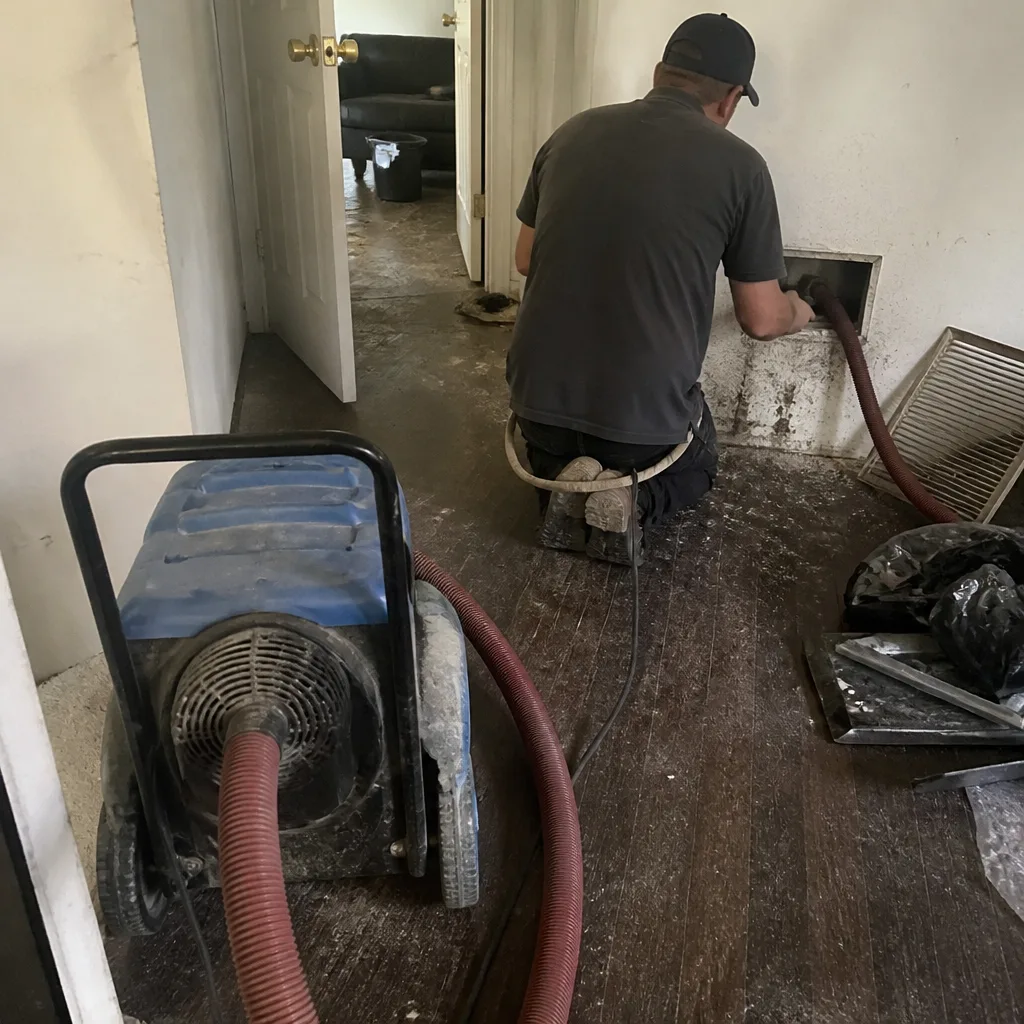 Before
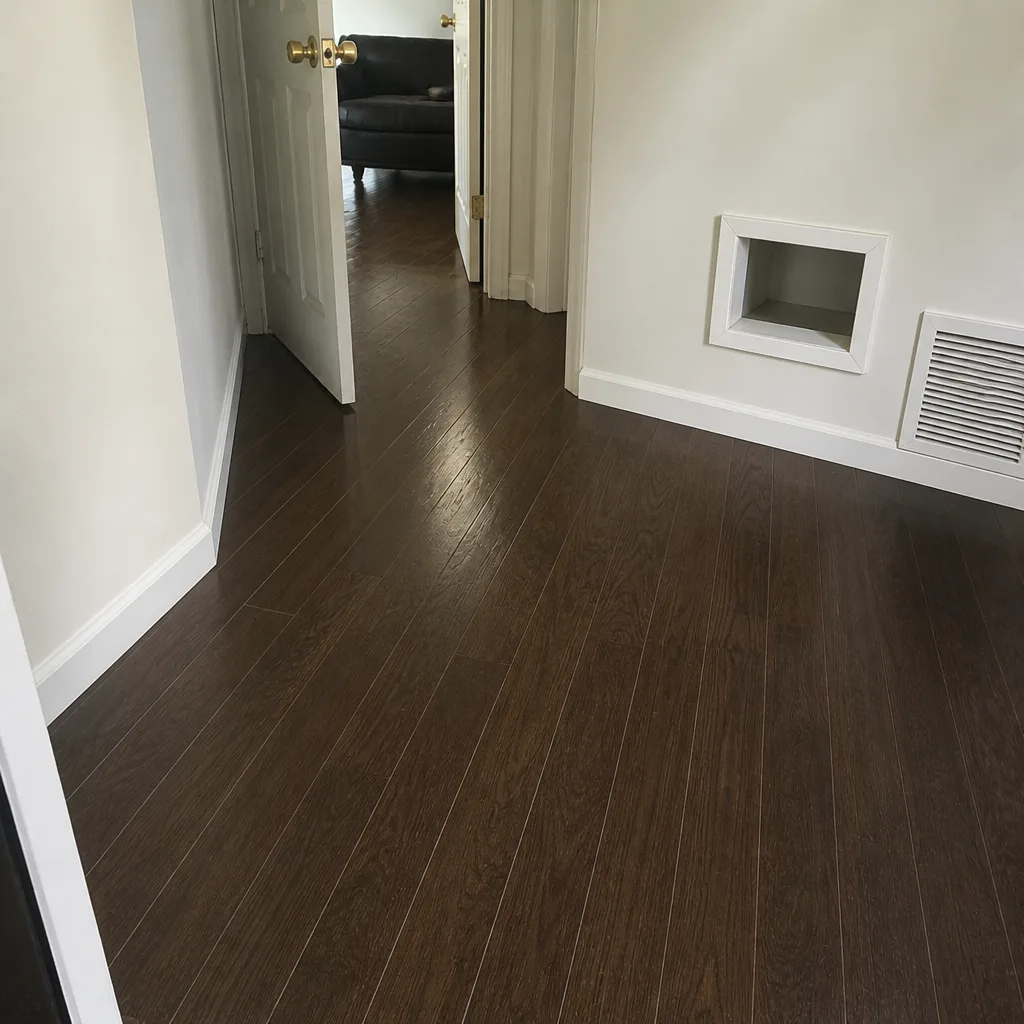 After
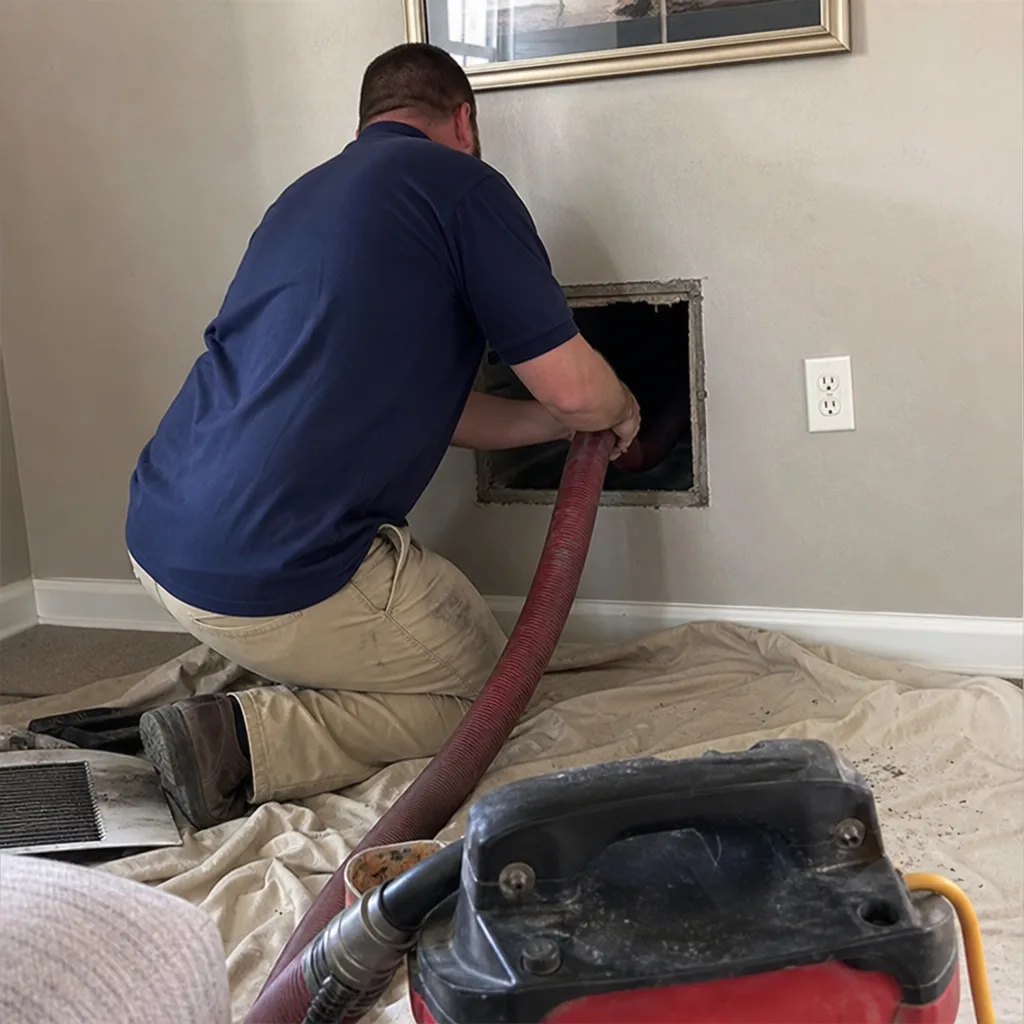 Before
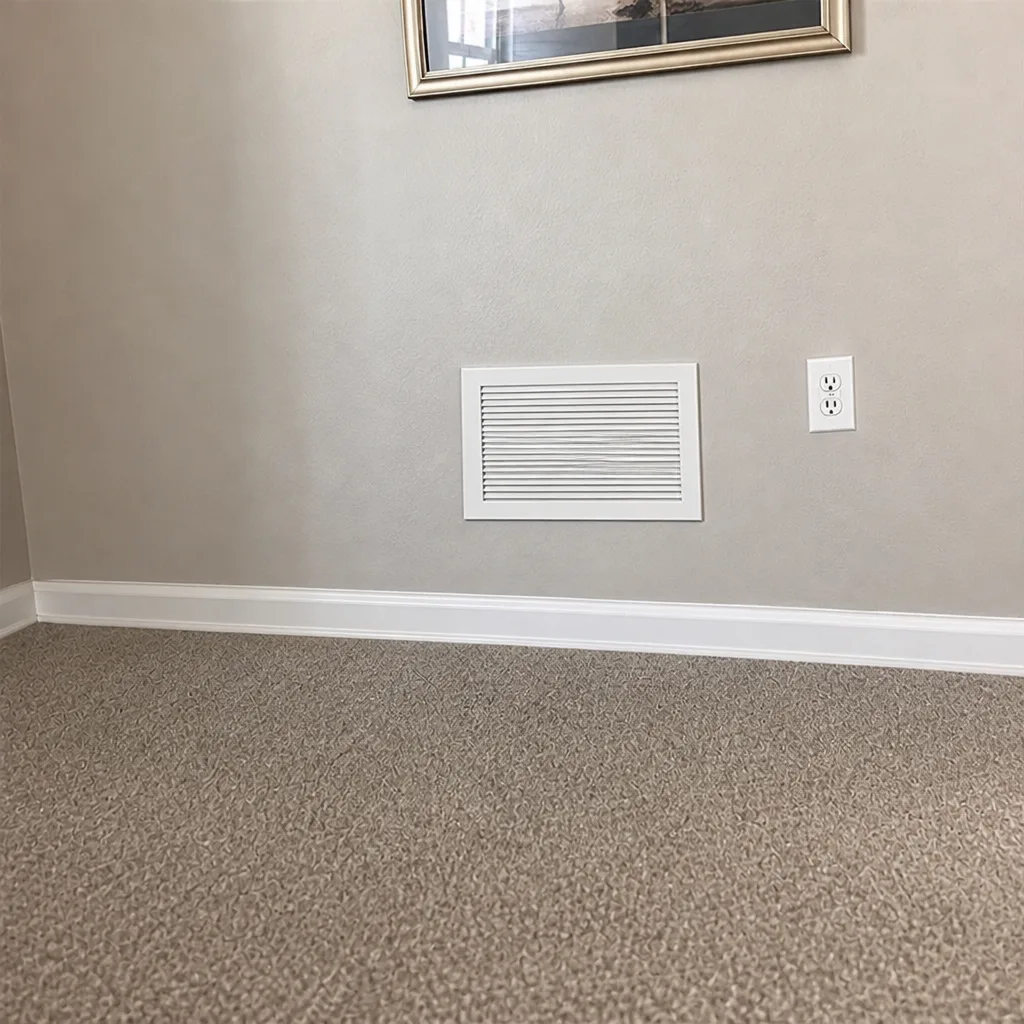 After
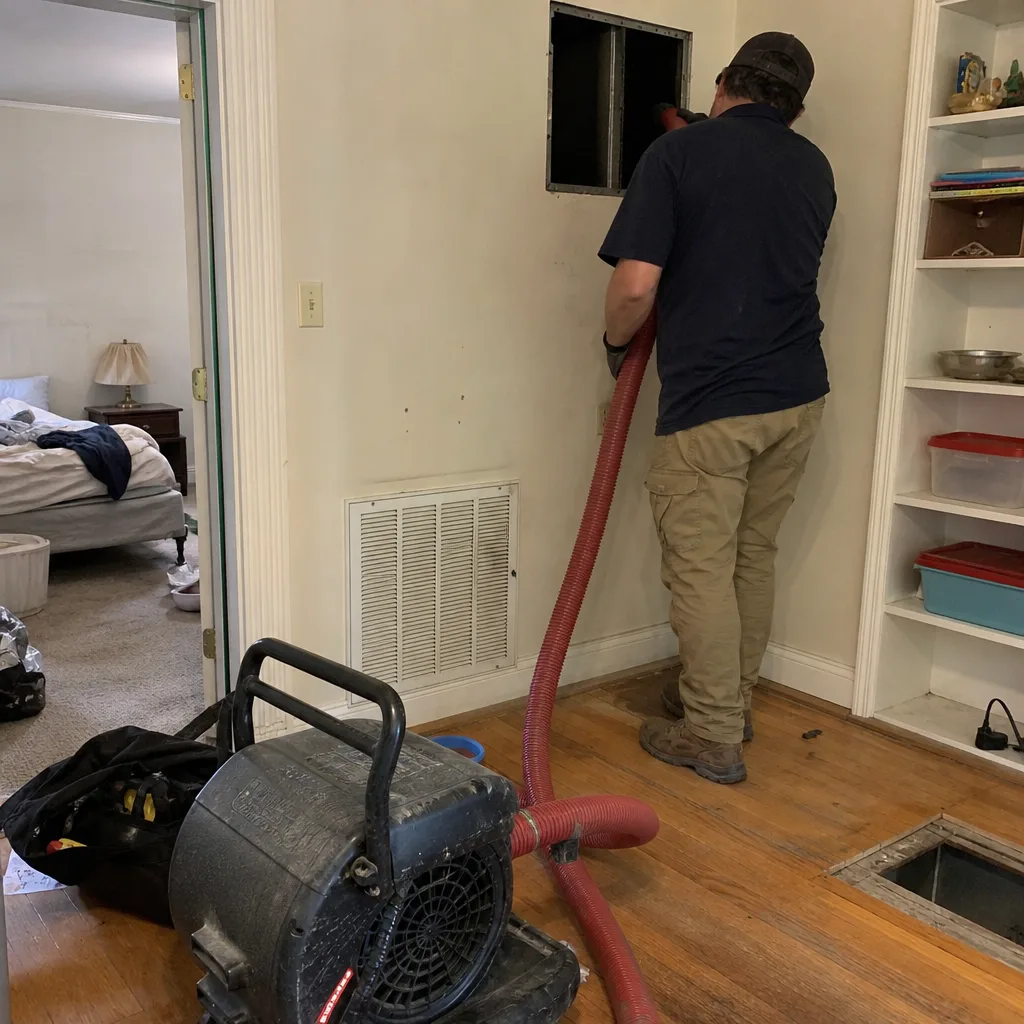 Before
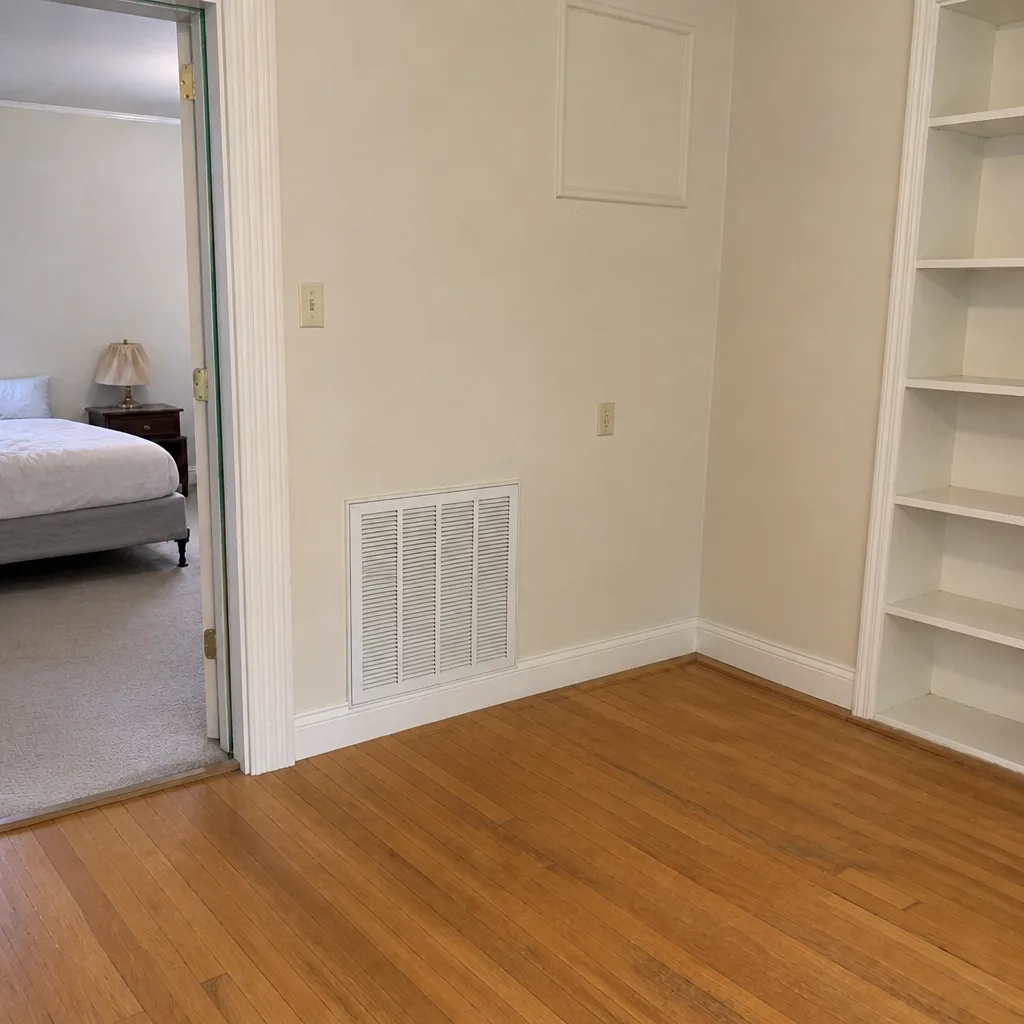 After
When to Call a Professional
Call a professional duct cleaning team when you’re seeing symptoms that point to deep-system contamination: recurring dust from registers, musty odor, allergic reactions that don’t improve after grille cleaning, or a recent renovation that left drywall particles in the system. Call if you have flex duct and no documented cleaning history, or if airflow has dropped in one or more rooms – those patterns usually point to damage or heavy debris that needs inspection, not a brush kit. And call if a dryer vent is long, elbow-heavy, or you can’t see the outside exit clearly. We also handle duct repair when inspection turns up crushed or disconnected sections; duct repair isn’t an add-on – it’s part of a complete job.
Hillcrest Air Duct Cleaning offers free estimates in Tallahassee – call (888) 721-9610. We answer 24/7. Fast dispatch from 7am to 7pm, Sunday through Friday.
Frequently Asked Questions
Pricing for professional air duct cleaning in Tallahassee is set per job by a written estimate, not per vent, and it depends on system size, duct type, accessibility, and how much cleaning and repair is actually needed. We don’t publish a coupon figure because a flat teaser price often turns into a larger invoice once a technician is on site – the pattern skeptical homeowners are rightly worried about. Call (888) 721-9610 for an exact quote. Estimates are free.
You can clean the grilles, and it will make a visible difference, but it won’t clean the ducts. Grilles and register boots are the outer surface. The interior of the supply and return runs – the part that carries dust and debris into your rooms – is unreachable without professional equipment. Grille cleaning is a useful touch-up between professional cleanings, not a substitute for one.
Low quotes usually reflect a shorter process with lighter equipment: a shop vac, a quick pass over the visible grilles, and no containment. That isn’t the same service as a full extraction with professional-grade machines and contaminant containment. The three things to ask any duct cleaning company before they start: what equipment do you use, what containment setup do you bring, and do you photograph the ducts before and after. If any of those questions draws a vague answer, the price tells you why.
Ask for before-and-after photos of your own ducts, not stock images. A proper job produces both – shot at each register and at the main runs – and a technician can walk you through them before leaving. We take before-and-after photos as standard practice. If you can’t see inside the duct at both stages, you can’t confirm the work happened.
Most Tallahassee homes do fine with cleaning every three to five years. Homes with pets, recent renovations, allergy sufferers, or a history of moisture issues often benefit from more frequent attention. Homes on the tight side with older flex duct should be inspected rather than put on a fixed schedule. The honest answer is that frequency depends on your system, not a rule of thumb.
It depends on the duct type and how the DIY work is done. Grille washing, filter housing vacuuming, and register boot wiping are helpful and harmless. Running a consumer brush deep into flex duct can trap debris further along the corrugations, and a shop vac can’t capture what it dislodges. Those attempts can leave the system dustier than before. Doing the small tasks carefully is fine; doing the deep tasks without the right equipment is where problems start. If you’re unsure, call (888) 721-9610 – we’ll tell you honestly whether a full cleaning is worth doing now or can wait.
The Bottom Line
DIY duct cleaning is real for the first four feet – grilles, boots, filter housings, and a short straight dryer vent. Beyond that, physics takes over: consumer vacuums can’t generate the negative pressure needed to dislodge and capture debris from deep supply runs, and flex duct punishes brushing that isn’t backed by professional extraction. The decision isn’t really about effort or cost. It’s about whether you want the visible surfaces cleaned or the system actually cleaned. For a Tallahassee homeowner dealing with dust, odor, allergies, or a recent renovation, that answer is almost always a professional cleaning – done with the right equipment and documented with photos – followed by sensible DIY touch-ups between visits.
If you’re ready to schedule a full cleaning, an inspection, or dryer vent cleaning for a long or complex run, call Hillcrest Air Duct Cleaning at (888) 721-9610 for a free estimate. We answer 24/7. Fast dispatch from 7am to 7pm, Sunday through Friday. We work with Rotobrush and Nikro systems on every job, deploy Abatement Technologies containment where it’s needed, and understand the whole-home air systems behind Honeywell and Aprilaire equipment. Duct work is all we do, and that focus follows through on every visit in Tallahassee. To see the full scope of what we offer, start with Hillcrest Air Duct Cleaning.
Written by the team at Hillcrest Air Duct Cleaning.