
Last updated November 16, 2026
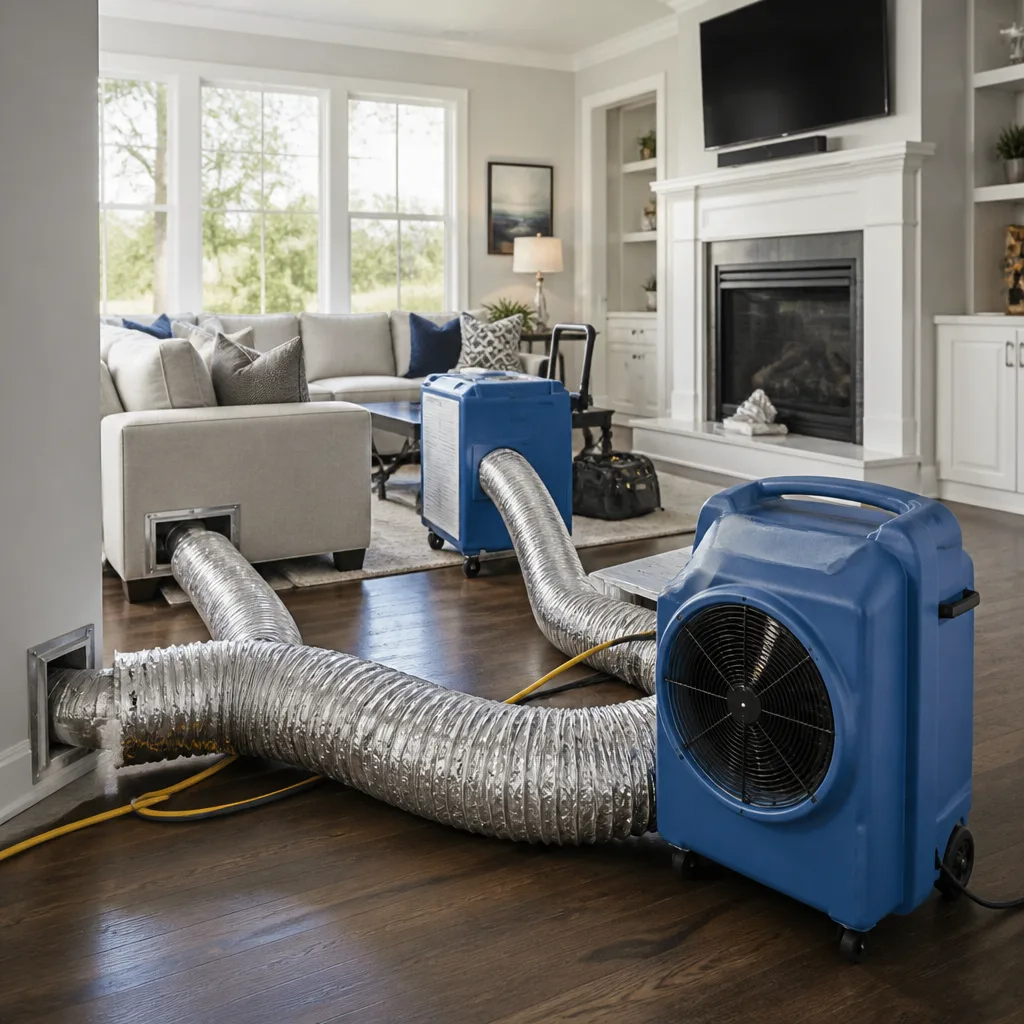 Whole-home duct cleaning
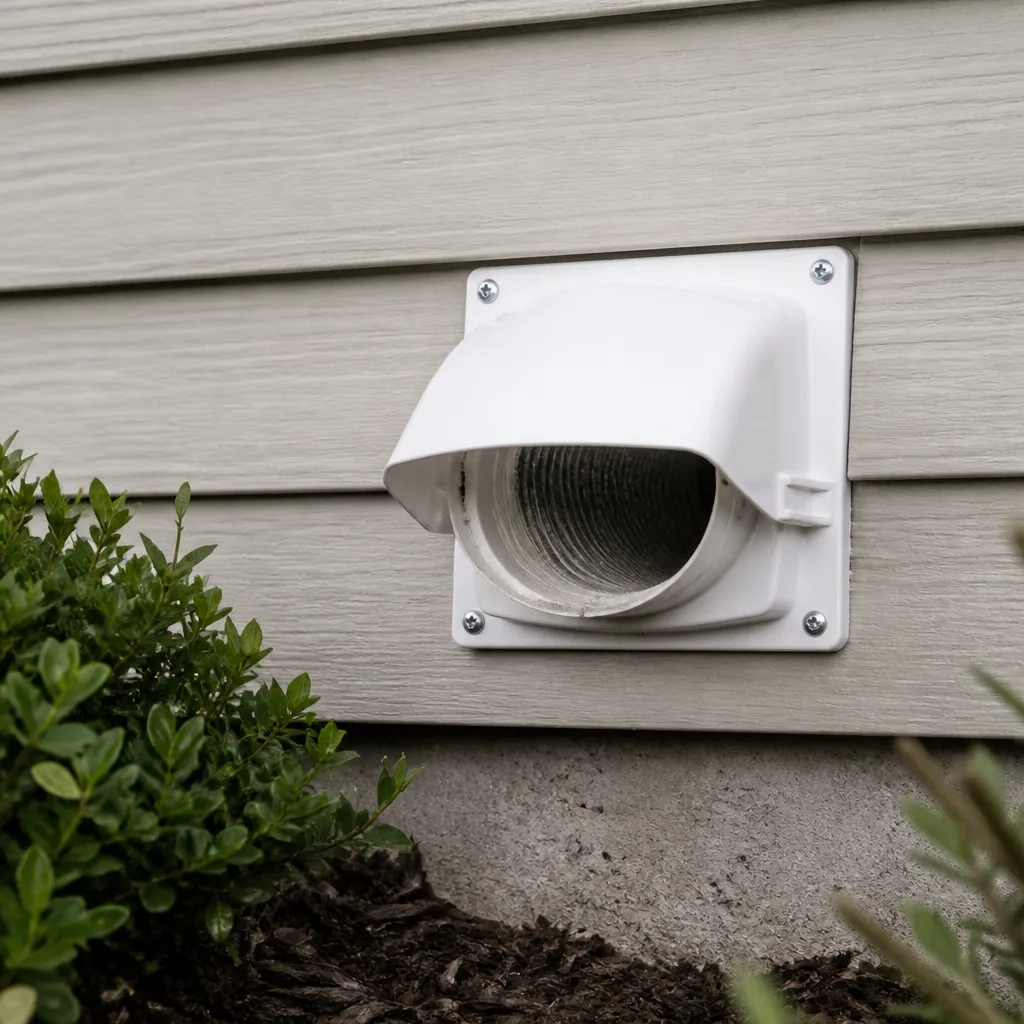 Dryer vent cleaning
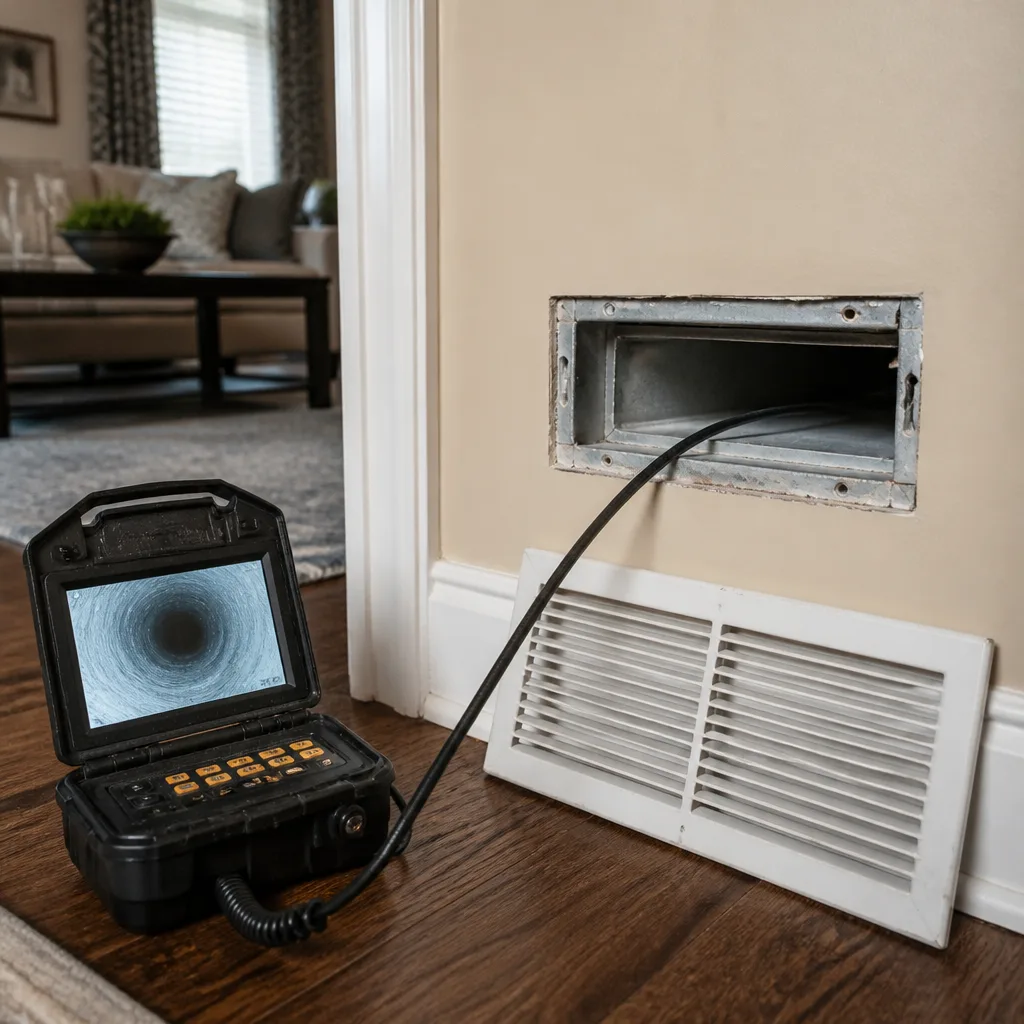 Camera inspection
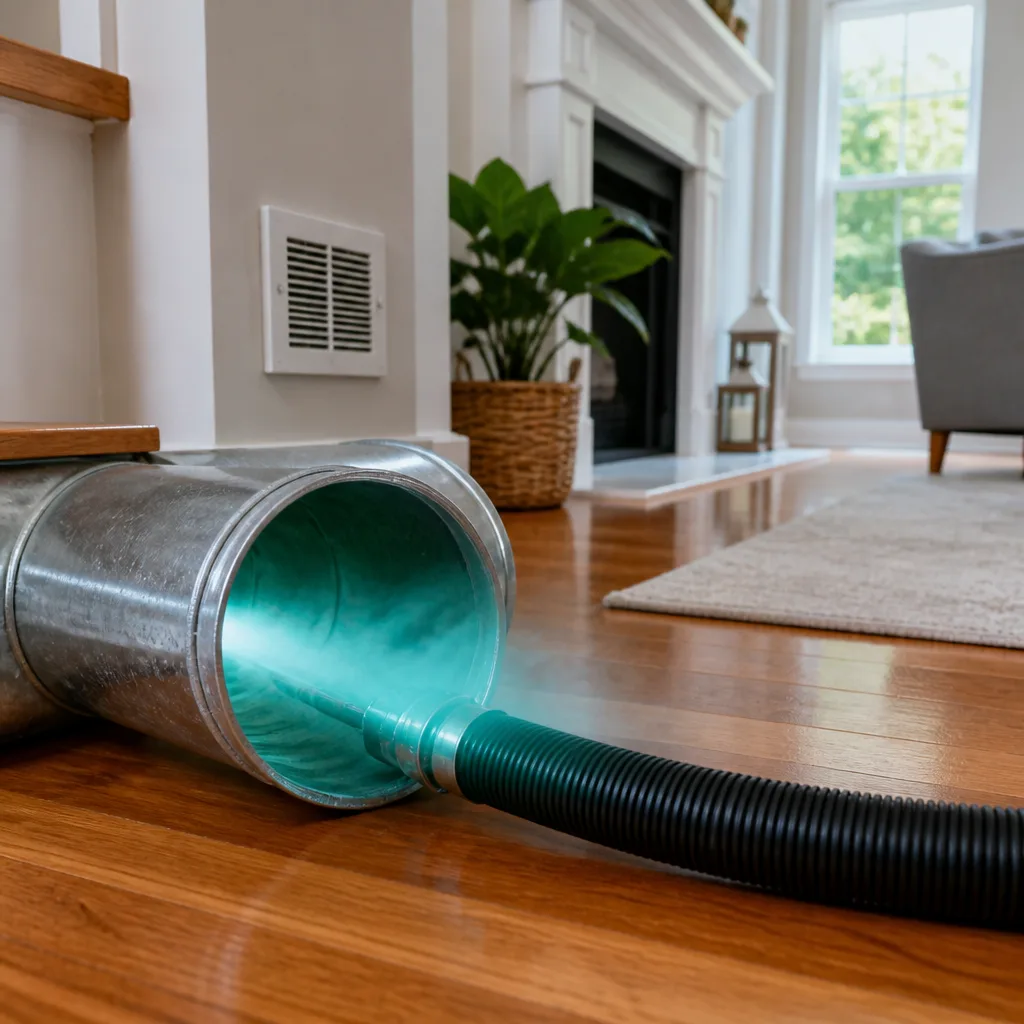 Sanitizing & deodorizing
Whole-system duct and dryer vent check with before-and-after photos - you see exactly what came out of your vents
That "$99 whole-house special" is a bait ad - the real number appears once they are in your hallway, or the "clean" is a shop-vac at the register. We photograph the inside of your ducts before and after instead.
How to Hire an Air Duct Cleaning Contractor in Tallahassee: A Step-by-Step Guide
A contractor with a $200 shop vac and a contractor with a truck-mounted negative pressure system will both show up to your door calling themselves “professional duct cleaners.” Their quotes might not look that different. That’s the problem. In a market where anyone with a hose and a ladder can print a business card, price and review counts tell you almost nothing about what will actually happen inside your walls. This guide gives you a process for judging contractors on technical merit: the equipment they run, the standards they follow, and the proof they’ll show you. By the end, you’ll know exactly what to ask a Tallahassee duct cleaner before you book.
Quick Answer
To hire an air duct cleaning contractor in Tallahassee, evaluate equipment capability first, not price. Ask for the contractor’s CFM rating and negative pressure capability, confirm they use source removal (not contact vacuuming alone), look for NADCA membership and ACR standard compliance, request a written scope of work naming every vent and return, and require before-and-after inspection footage of your own ducts. Any contractor who can’t answer those five questions is a generalist with a shop vac.
Styles & brands we work with
- Whole-home duct cleaning
- Dryer vent cleaning
- Camera inspection
- Sanitizing & deodorizing
Table of Contents
- Why the Tallahassee duct cleaning market is hard to read
- The equipment questions to ask before you book
- NADCA membership and ACR compliance: what they actually mean
- How to request a scope of work that means something
- Red flags specific to Tallahassee
- What legitimate post-cleaning verification looks like
- The step-by-step hiring process
- Common mistakes to avoid
Why the Tallahassee Duct Cleaning Market Is Hard to Read
Duct cleaning is lightly regulated in Florida. There’s no state licensing board that inspects the inside of a duct cleaning van, no minimum equipment standard, and no required certification to print “professional air duct cleaning” on a truck. That means the label on the van tells you nothing. A two-person operation with a portable contact vacuum and a franchise with a full source-removal rig can both legally call themselves duct cleaning contractors in Tallahassee.
Tallahassee adds a few wrinkles. The climate is humid for much of the year, which means moisture, dust, and organic material inside a duct system can interact in ways that dry-climate homeowners never see. Older homes near the Capitol and in established neighborhoods like Betton Hills and Myers Park often have original sheet metal ductwork with years of settled debris and, in some cases, disconnected joints hidden behind drywall. Newer construction out toward Southwood and Killearn tends to use flex duct, which is easy to damage with the wrong brush. A contractor who only knows one method will either under-clean the older systems or tear up the newer ones.
The market also has a pricing problem. Legitimate source-removal work takes time, equipment, and two technicians on site for several hours. A quote that undercuts the field by a wide margin usually means one of two things: the work is superficial, or the price is a door-opener for add-on sales once the technician is inside. Neither is a bargain. Understanding the equipment is how you tell the difference before anyone enters your home.
The Equipment Questions to Ask Before You Book
Equipment capability is the single best predictor of job quality, and it’s the thing most homeowners never ask about. Before you schedule a visit, run these questions past every contractor you’re considering. A specialist will answer them without hesitation. A generalist will get vague.
- “What’s your vacuum’s CFM rating and can you pull negative pressure on the whole system?” CFM (cubic feet per minute) is airflow. Negative pressure means the vacuum is strong enough to hold the entire duct system under suction so loosened debris travels toward the collection point instead of blowing back into your living space. A portable shop-style vacuum can’t do this reliably. Truck-mounted and high-capacity portable systems can.
- “Are you using source removal or contact vacuuming only?” Contact vacuuming cleans what the brush can touch. Source removal uses mechanical agitation (rotary brushes, air whips, or compressed air) to loosen debris throughout the system while the vacuum pulls it out. Source removal is the method the industry standard describes. Contact vacuuming alone is a surface wipe.
- “What agitation tools do you use, and are they sized for flex duct?” A rotary brush sized for rigid metal will destroy flex duct. Ask how they handle both. Our technicians use Rotobrush and Nikro systems precisely because they’re purpose-built for duct interiors and can be sized to the duct type.
- “Do you run containment equipment for mold or heavy particulate?” If there’s visible microbial growth or a recent renovation left fine dust in the system, containment matters. Abatement Technologies equipment is built for exactly that: keeping contaminants captured rather than stirred into the air.
- “What’s your process for the air handler and coil?” The air handler is part of the system. A contractor who cleans the ducts but leaves a debris-coated blower or evaporator coil has done half the job. Ask what they’ll access and clean.
- “Will you show me before-and-after footage of my own ducts?” This is the disqualifying question. A contractor running proper equipment has camera footage. If they won’t show it, they either don’t have it or don’t want you to see what was missed.
Print this list before you make calls. The answers separate specialists from generalists in about ten minutes.
NADCA Membership and ACR Compliance: What They Actually Mean
The National Air Duct Cleaners Association (NADCA) publishes the ACR standard, the accepted industry standard for assessment, cleaning, and restoration of HVAC systems. Membership in NADCA is voluntary. In a state where duct cleaning isn’t licensed, that voluntary standard is one of the few meaningful credential filters available to you.
What does it signal? A NADCA member has committed to a published standard for how the work is done, has access to the assessment methodology in that standard, and is subject to a code of ethics. It doesn’t guarantee a perfect job. But it does mean the contractor has chosen to be accountable to something beyond their own marketing.
Ask specifically:
- “Are you a NADCA member, and do you follow the ACR standard?”
- “Is your company insured and bonded?” Duct work involves cutting into drywall, accessing attics, and running equipment in your home. Insurance matters.
- “Are your technicians trained on the equipment they’re operating?” Our technicians have up to 9 years of experience, and we’re happy to describe what that training covers.
- “Do you provide a written summary of what was cleaned and any issues found?”
Also ask about the equipment brands they work with. A contractor who uses Rotobrush or Nikro, or one who works alongside Aprilaire and Honeywell air-quality systems, has invested in the systems your home actually contains. That investment tends to correlate with a more thorough process. If a contractor can’t name a single brand of professional equipment they operate, that’s your answer.
If you’re also evaluating dryer vent or duct repair work at the same time, the same credential filter applies. If you’d like to see how a specialist approaches the broader picture of a home’s airflow, our Hillcrest Air Duct Cleaning page explains the full scope of what we do.
How to Request a Scope of Work That Means Something
“We’ll clean the system” is not a scope of work. A real scope names every component the price covers, and every component it doesn’t. Ask each contractor to put it in writing before you agree to anything.
A usable scope of work includes:
- Every supply vent, by count and location. Not “all vents” – a number and a list.
- Every return air grille and duct run. Returns pull debris into the system; skipping them defeats the purpose.
- The main trunk lines. Many quotes cover branch runs only.
- The air handler and blower compartment. Confirm whether cleaning the blower wheel and cabinet interior is included.
- Coil cleaning, if applicable. This may be listed separately or excluded entirely.
- Access points and patching. What holes will be cut, and who patches them.
- Containment method. How they’ll keep dust out of your living space during the job.
- Post-cleaning verification. Camera inspection, photos, or written report.
- The price. A flat, whole-system price agreed before work starts – not per-vent pricing.
The per-vent pricing model is a common trap. It looks transparent until the technician “discovers” that your system has more vents than the base quote covered, or that the returns cost extra, or that the air handler was never in the price. A whole-system flat price with a written scope removes the ambiguity. If a contractor won’t put the scope in writing, walk away.
For homes in neighborhoods like Frenchtown or the older blocks around Florida State University, where duct layouts can be irregular, ask the contractor to walk the system with you and note any runs they can’t access. A specialist will tell you upfront. A generalist will discover the gap after the invoice is written.
Red Flags Specific to Tallahassee
Tampa and South Florida get plenty of the same trick, but Tallahassee’s market has its own patterns. Here’s what to watch for.
- The door-to-door $49 or $69 special. This is a bait price. It gets a technician inside your home, and the real invoice grows once they’ve “found” a problem you can’t see. Any quoted price that doesn’t match the scope, or that was clearly designed to get someone in the door, deserves suspicion.
- Upsells presented with a camera and a concerned expression. Typical upsells include: mold remediation (a separate specialty, not something a duct cleaning crew should perform in-house), UV light installation, coil cleaning at a premium, and “sanitizing” treatments that aren’t part of the standard cleaning process. Some of these services are legitimate. What makes it bait-and-switch is when they’re sold as emergencies after the low-priced cleaning has begun.
- No camera footage of the “problem.” If a contractor says you need additional work, ask to see the footage. Any legitimate finding can be documented.
- Van and equipment don’t match the quote. A confirmation call quoting a truck-mounted source-removal system, followed by a technician arriving with a portable shop vacuum and a hose, is a bait-and-switch in equipment instead of price.
- No written scope before the visit. If they won’t describe what they’ll clean in writing, they’ll define the scope however it suits them once they’re inside.
- Pressure to decide on the spot. No legitimate duct cleaning decision needs to be made in the driveway. A specialist will send an estimate and give you time to compare.
- No physical address verification. A real business has one. If the “company” only has a cell number and a Facebook page, you have no recourse if the job goes badly.
If you’re also hiring for dryer vent work in Tallahassee, the same red flags apply, and the stakes are higher because dryer vent buildup is a fire hazard. Our dryer vent cleaning page covers the specific process we use there.
What Legitimate Post-Cleaning Verification Looks Like
The job isn’t done when the technician drives away. It’s done when you’ve seen evidence of what was cleaned. Ask for this before you book, so there’s no surprise at the end.
Five elements of proper verification:
- Before-and-after video or photos of your own ducts. Not stock images, not “representative examples.” Your system, your vents.
- A written summary of work performed. Which vents were cleaned, which components were accessed, whether any issues were found.
- Documentation of any damaged or disconnected duct sections. Older Tallahassee homes often have small disconnects at joints. A thorough contractor notes them. Duct repair isn’t an add-on – it’s part of a complete job.
- A cleaner system than when they started, verified. After proper source removal, the inside of the duct should look demonstrably different. If it doesn’t, ask why.
- An honest answer about what wasn’t done. No contractor cleans everything. A specialist will tell you what they couldn’t reach and why.
If a contractor is unwilling to show you footage of your ducts after the cleaning, take that as a disqualifier. It’s not a matter of trust. It’s evidence, and it costs them nothing to provide.
The Step-by-Step Hiring Process
Here’s the sequence. It works for any home in Tallahassee and gives you a clean comparison between contractors.
- Decide what triggered the cleaning. Recent renovation, allergy symptoms, visible dust at registers, or a move-in. This affects what scope you need and what questions to prioritize.
- Identify 3-4 candidates. Look for NADCA membership, professional equipment brands (Rotobrush, Nikro, Abatement Technologies, Aprilaire, Honeywell), and verifiable business contact info. Rule out anyone who only has a cell number and a coupon.
- Call with the equipment questions. CFM rating, negative pressure, source removal vs. contact vacuuming, agitation tools, containment, air handler process. Take notes on each answer. You’ll see the pattern.
- Request a written scope of work from each finalist. Compare them side by side. A scope naming every vent, return, trunk, and the air handler is a real scope. “Full system cleaning” is not.
- Ask for the flat whole-system price. Reject per-vent pricing and coupon prices. The written estimate should match the scope, and the final price should be settled before work starts.
- Confirm verification expectations. Before-and-after footage, written summary, and a plan for anything found during the job.
- Book the job with a specialist. A team whose entire business is duct and vent work – air duct cleaning, duct repair, and dryer vent cleaning – will have the equipment and process dialed in for your home. A multi-trade generalist will apply whatever method they happen to own.
Expect the process to take a few days if you do it properly. The rush you feel to book the cheapest option is exactly what the bait pricing is designed to exploit.
Common Mistakes to Avoid
- Comparing on price alone. A $99 quote and a $450 quote aren’t the same product. The cheaper one usually doesn’t include the air handler, the returns, or proper containment. Comparing them without knowing the scope is meaningless.
- Booking the first door-to-door special you see. Low-priced door hangers and social media “specials” are the most common bait in Tallahassee. The price is the advertisement, not the invoice.
- Not asking for the CFM rating. If you don’t know the airflow, you don’t know much. A shop vacuum moved through a duct is not source removal.
- Skipping the scope of work. Without it, the contractor defines “the system” however they like. The return air ducts often get excluded, which defeats the purpose.
- Letting them skip the camera. Contractors who won’t show footage should be disqualified. Ask before booking and follow through after.
- Assuming all HVAC contractors do duct cleaning. Installing and repairing HVAC is different from cleaning the inside of ductwork. The equipment and the process are different specialties.
- Ignoring the dryer vent. It’s often bundled or overlooked, but dryer vent buildup is a leading cause of house fires. If you’re hiring for duct work in Tallahassee, ask about the dryer vent as part of the conversation, or request it as a separate job.
See the difference
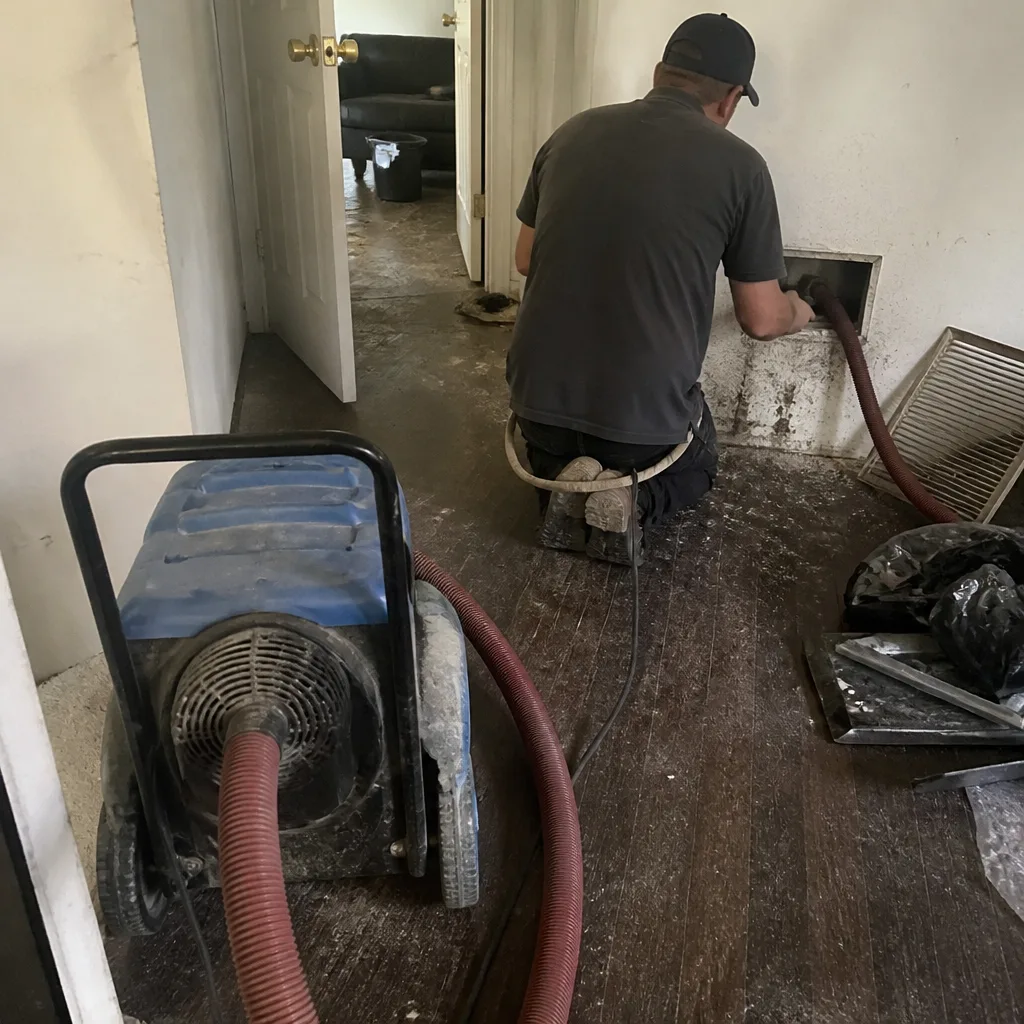 Before
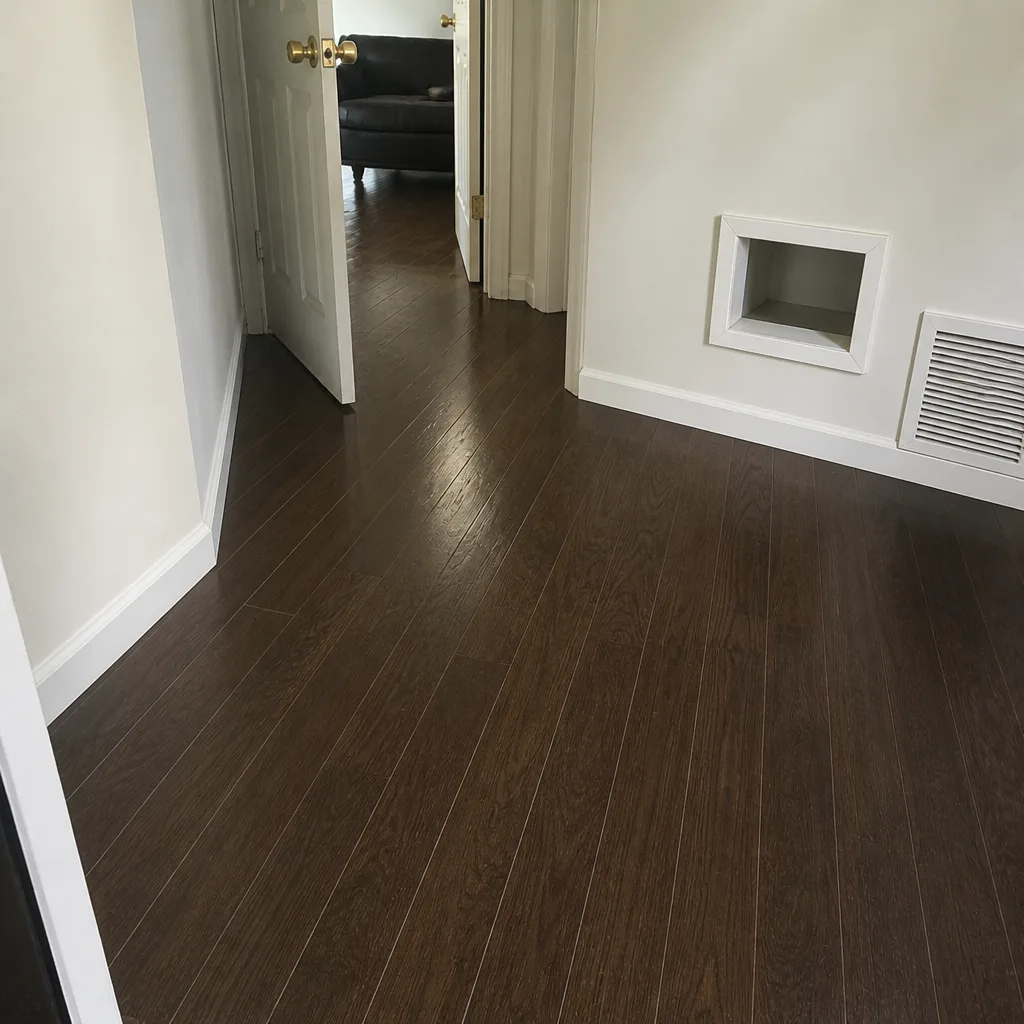 After
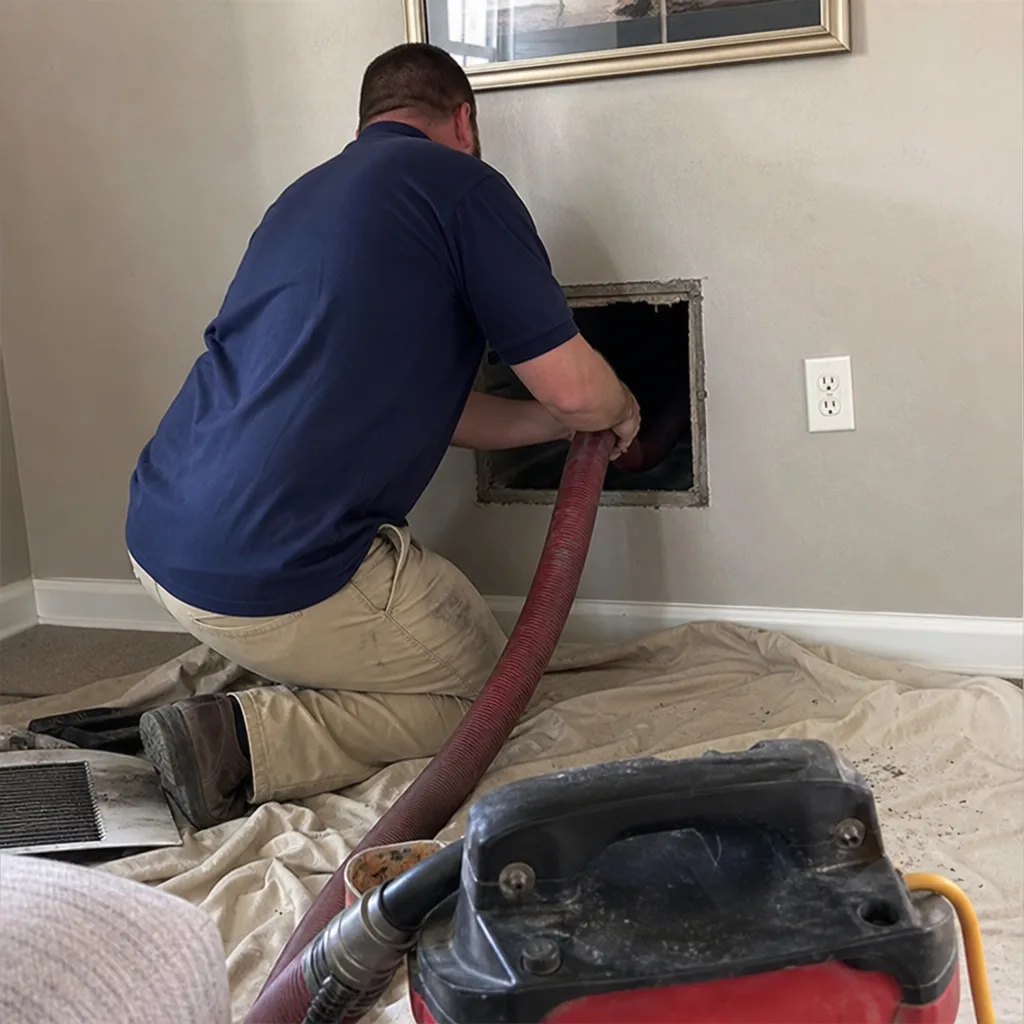 Before
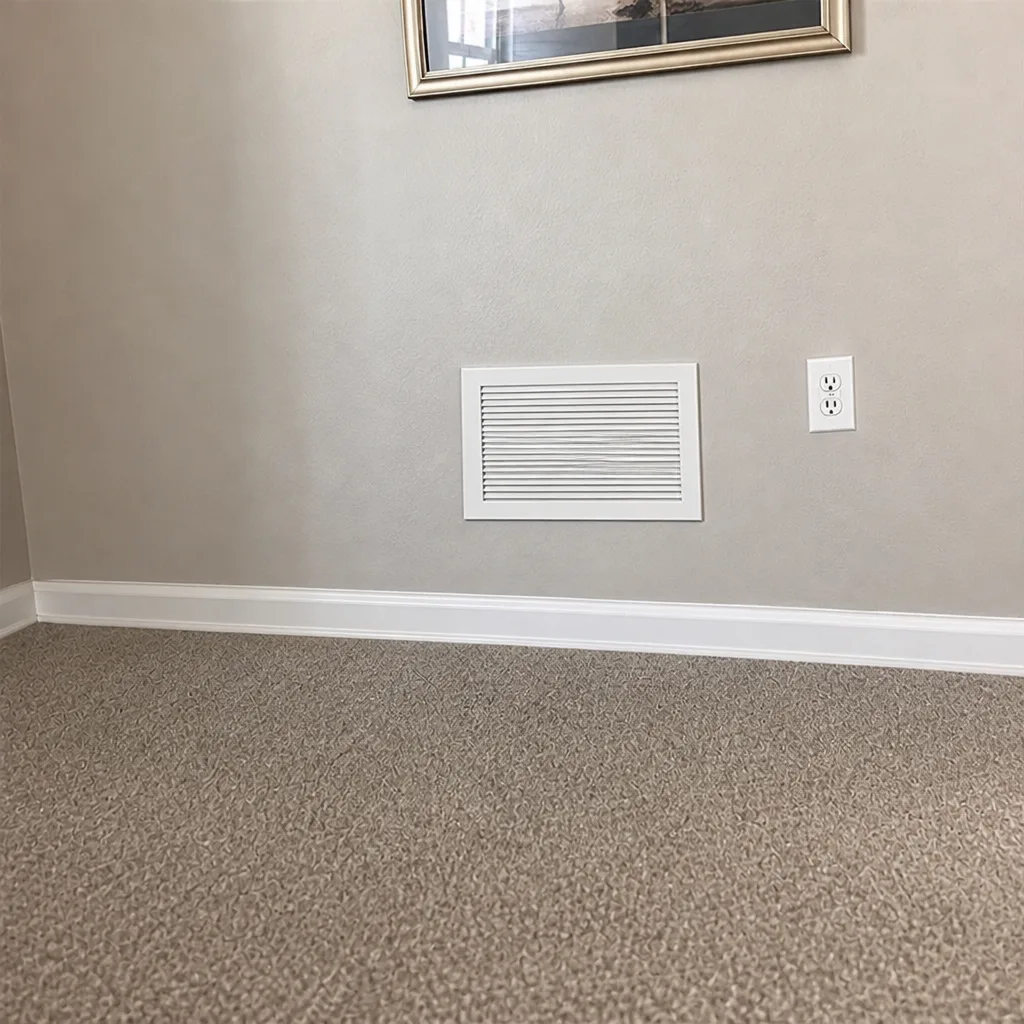 After
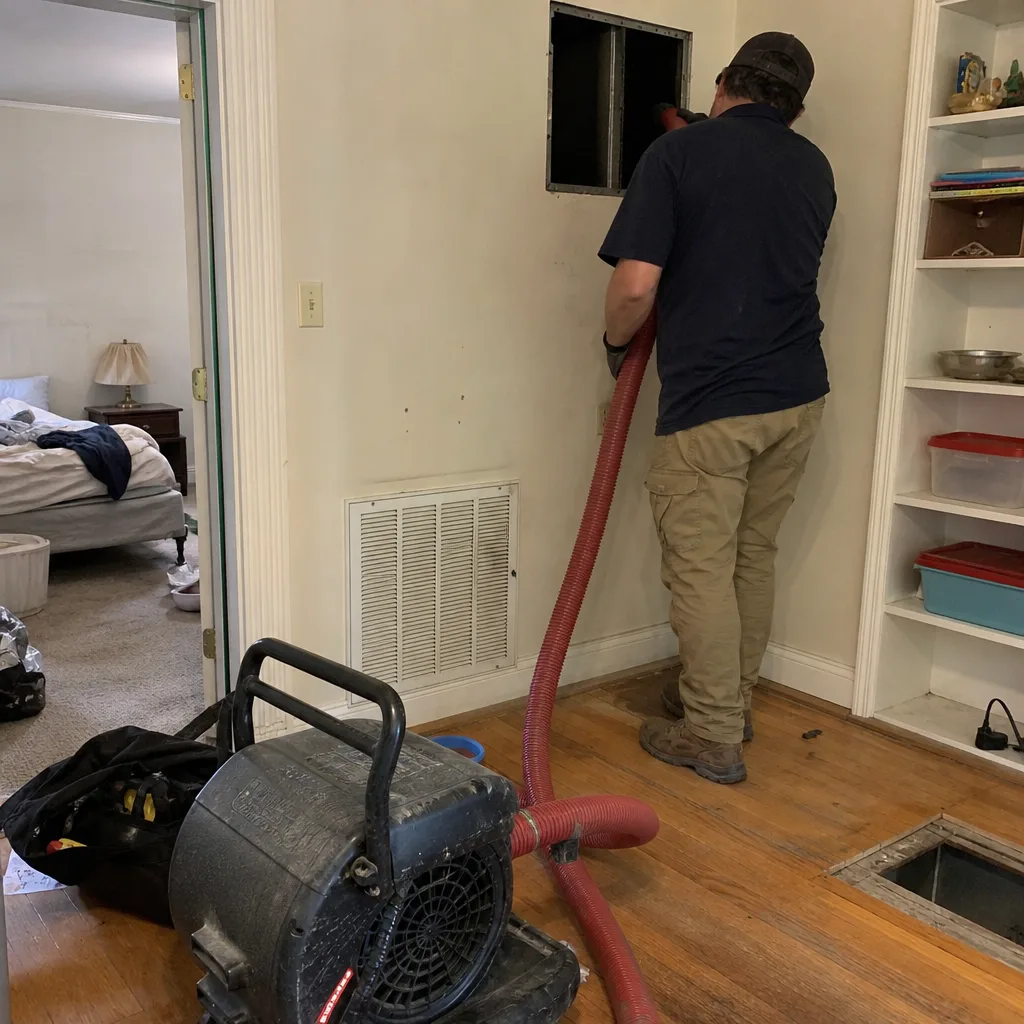 Before
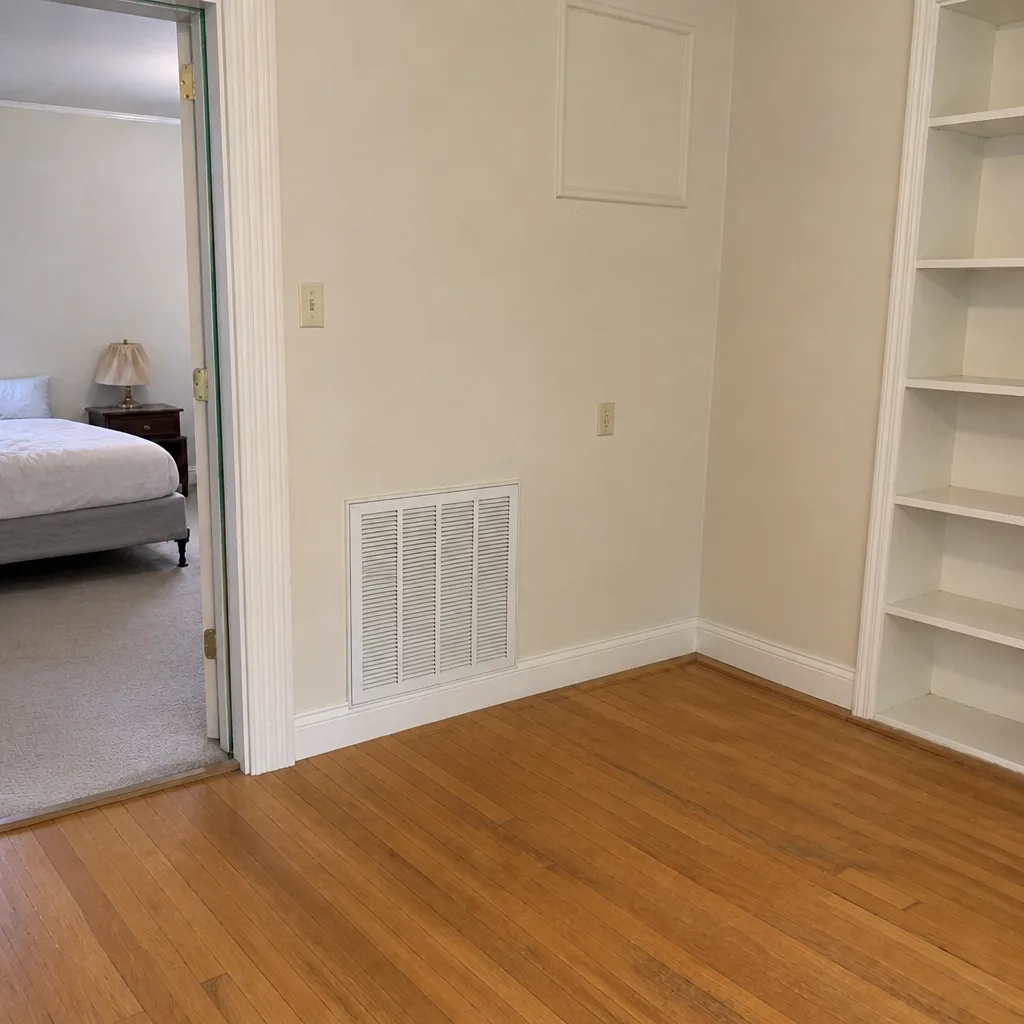 After
When to Call a Professional
Not every dusty register justifies a full duct cleaning. But certain signals do. Visible debris or mold growth at the registers, a recent major renovation that filled the system with fine dust, a persistent musty smell when the system runs, or allergy symptoms that worsen when the air handler kicks on. Older Tallahassee homes with original sheet metal ductwork and signs of settled debris around the joints are strong candidates. So are homes with flex duct that has begun to sag or detach. If you’re simply unsure, a professional assessment is the most efficient way to find out. Hillcrest Air Duct Cleaning offers free estimates in Tallahassee – call (888) 721-9610. We answer 24/7. Fast dispatch from 7am to 7pm, Sunday through Friday. We’ll walk the system with you, show you what we find, and put the scope in writing before any work starts.
Frequently Asked Questions
Duct cleaning in Tallahassee is priced per system, not per vent, and a whole-system job with proper source removal and containment typically runs in the mid-hundreds to low-thousands depending on size, accessibility, and whether the air handler and coil are included. The written estimate sets the final price and you should see it before the job. Call (888) 721-9610 for an exact quote – estimates are free.
Cheap quotes usually reflect one of three things: contact vacuuming only (no source removal), a scope that excludes the returns and air handler, or a bait price meant to be raised after the technician arrives. A low number with no written scope is the clearest warning sign. Call (888) 721-9610 for a real flat quote in writing.
Ask for before-and-after video or photos of your own ducts, plus a written summary of what was cleaned and any issues found. Any contractor running proper equipment has this footage. If they won’t share it, that’s the answer. Estimates are free – call (888) 721-9610.
Most homes don’t need duct cleaning on a schedule. Justified cleaning happens after a renovation, after water intrusion, when there’s visible debris or mold, or when allergy symptoms point to the system. Tallahassee’s humidity means moisture issues inside duct systems deserve attention sooner than in drier climates. Call (888) 721-9610 if you want an assessment before committing to a cleaning.
A specialist can tell you the CFM rating and whether they can pull negative pressure on the full system. A generalist usually can’t. If the answer is vague or the equipment turns out to be a portable shop vacuum, you’re not getting source removal. Call (888) 721-9610 to get the specifics from our team.
Not necessarily – a duct specialist can handle it as a separate service, and it’s worth asking about while you’re booking. Dryer vent buildup is a leading cause of house fires, so it shouldn’t be an afterthought. You can read more on our dryer vent cleaning page, or call (888) 721-9610 to book it alongside your duct work.
The Bottom Line
Hiring a duct cleaner in Tallahassee comes down to equipment and process, not price. Ask about CFM, negative pressure, and source removal vs. contact vacuuming. Confirm NADCA membership and ACR standard compliance. Get a written scope naming every vent, return, trunk, and the air handler. Reject per-vent pricing and coupon specials. Require before-and-after footage of your own ducts. Any contractor who answers all of those questions well is a serious candidate. If they can’t, they’re a shop vac with a business card. Our technicians have up to 9 years of experience with Rotobrush, Nikro, and Abatement Technologies equipment, and we’re happy to answer every question on this page before you book.
We work with Honeywell and Aprilaire systems, so we understand your whole air setup – not just the ducts themselves. If you’d like to see how we approach duct work across the region, visit our Tallahassee service page or call us directly. We keep our scope to three services: duct cleaning, duct repair, and dryer vent cleaning, done by a team that focuses on this work and nothing else.
Ready to get started? Call (888) 721-9610 for a free estimate. We answer 24/7. Fast dispatch from 7am to 7pm, Sunday through Friday. We’ll walk you through the scope of work before anyone begins, and we’ll show you what we found when we’re done.
Written by the team at Hillcrest Air Duct Cleaning.