
Last updated November 16, 2026
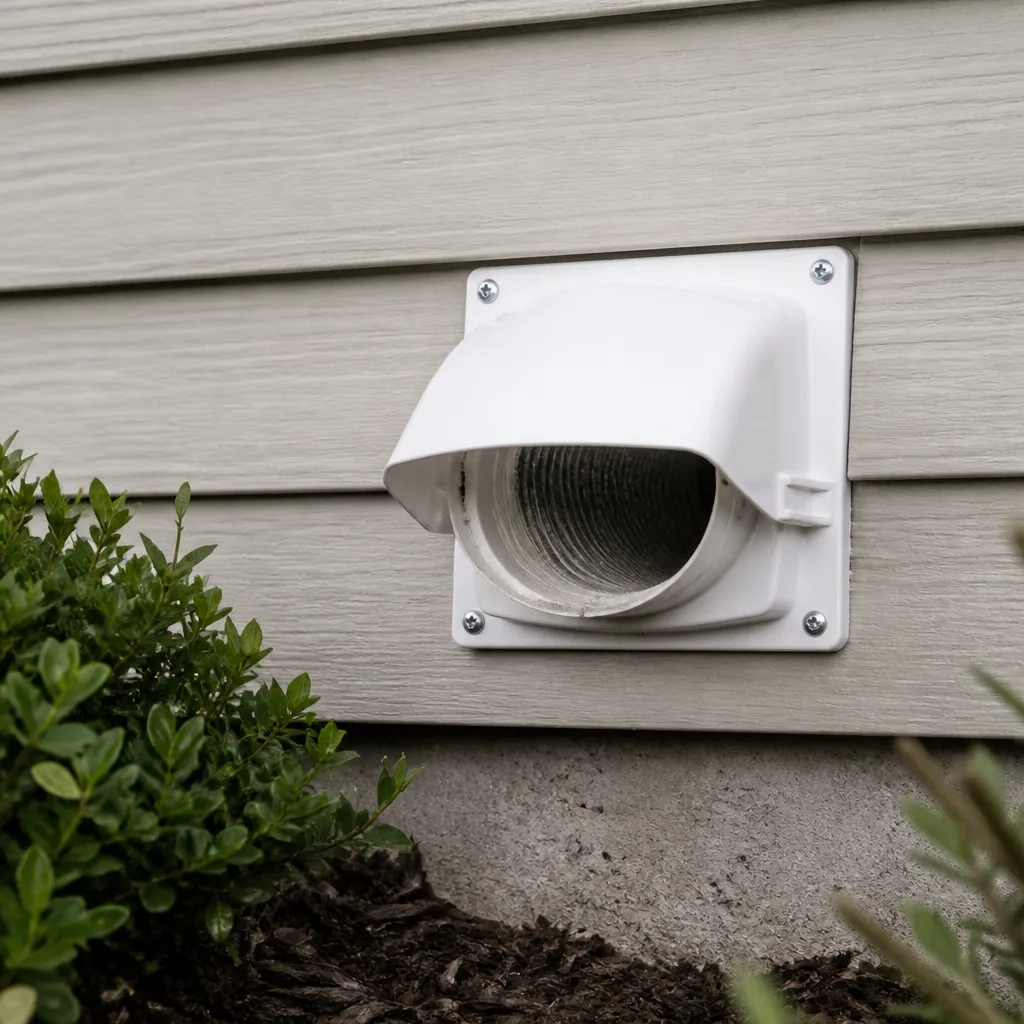 Dryer vent cleaning
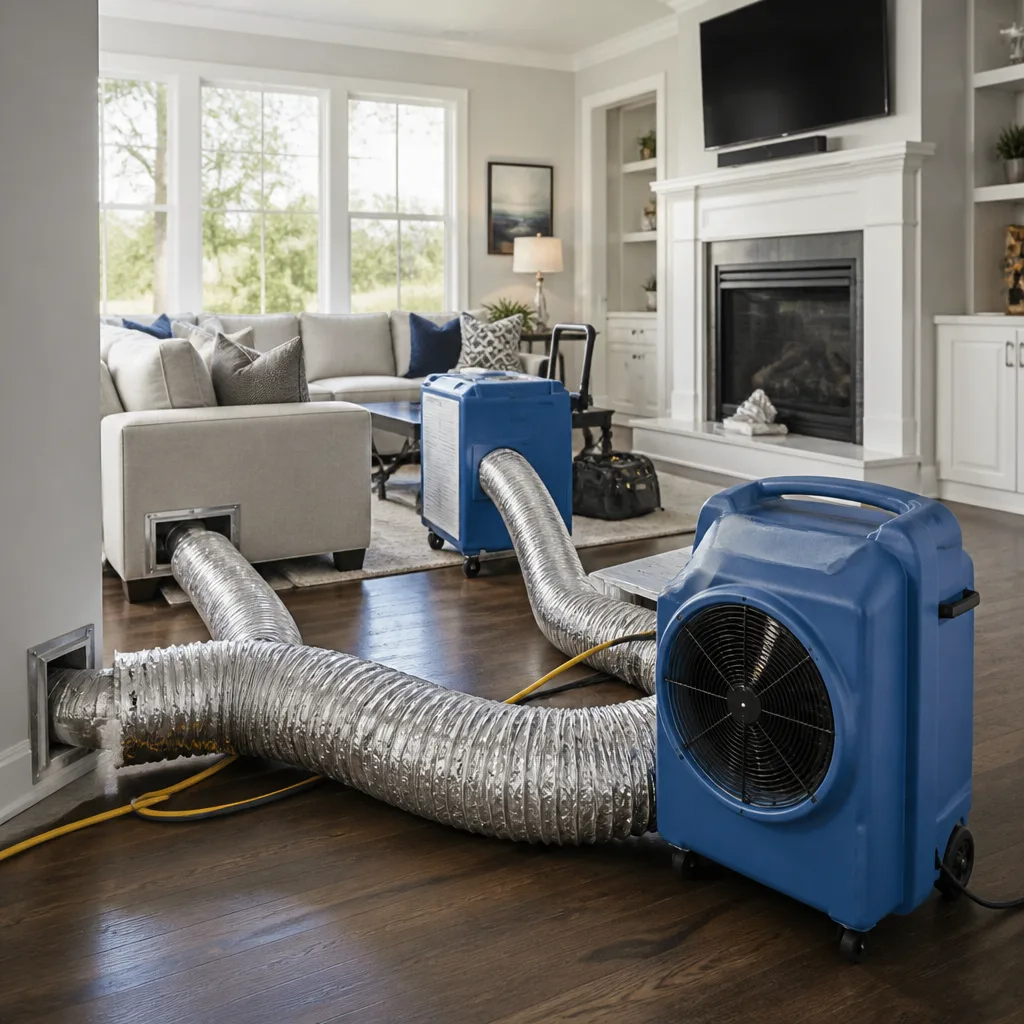 Whole-home duct cleaning
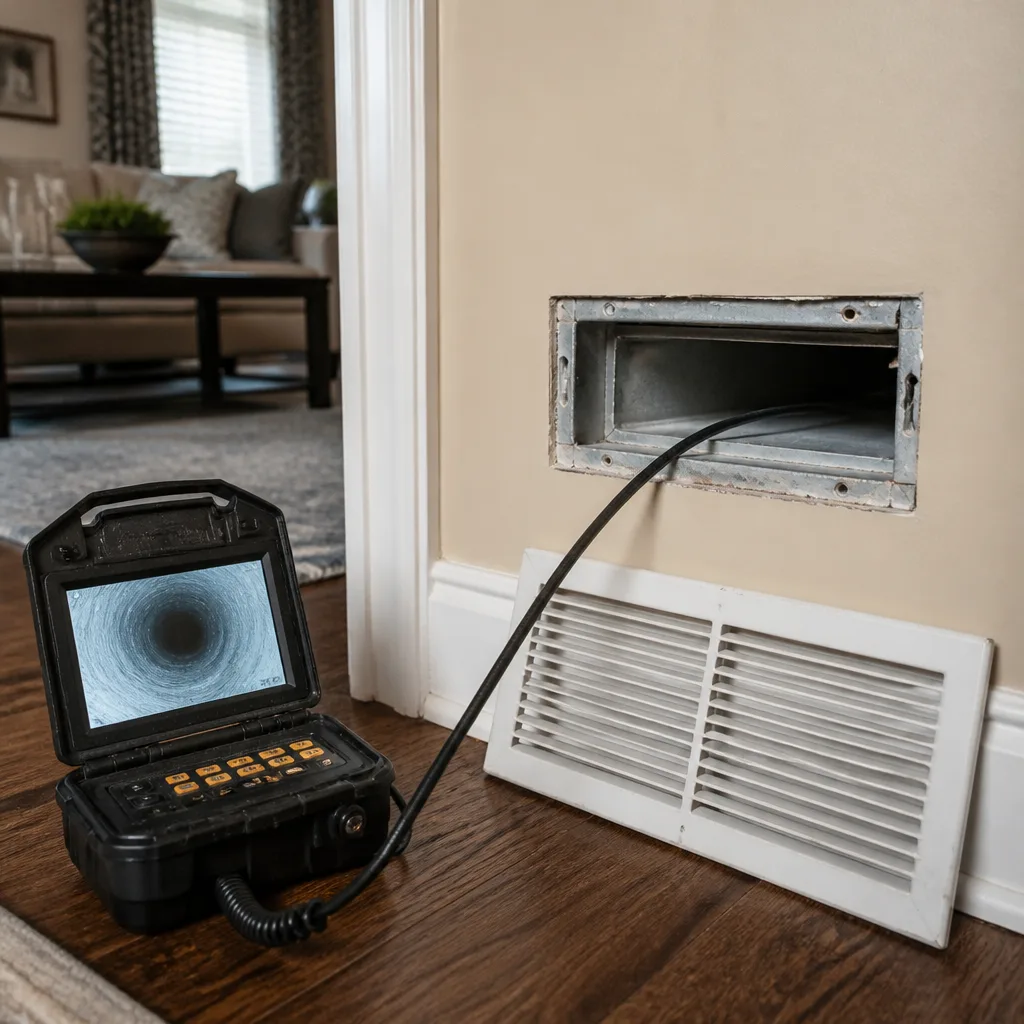 Camera inspection
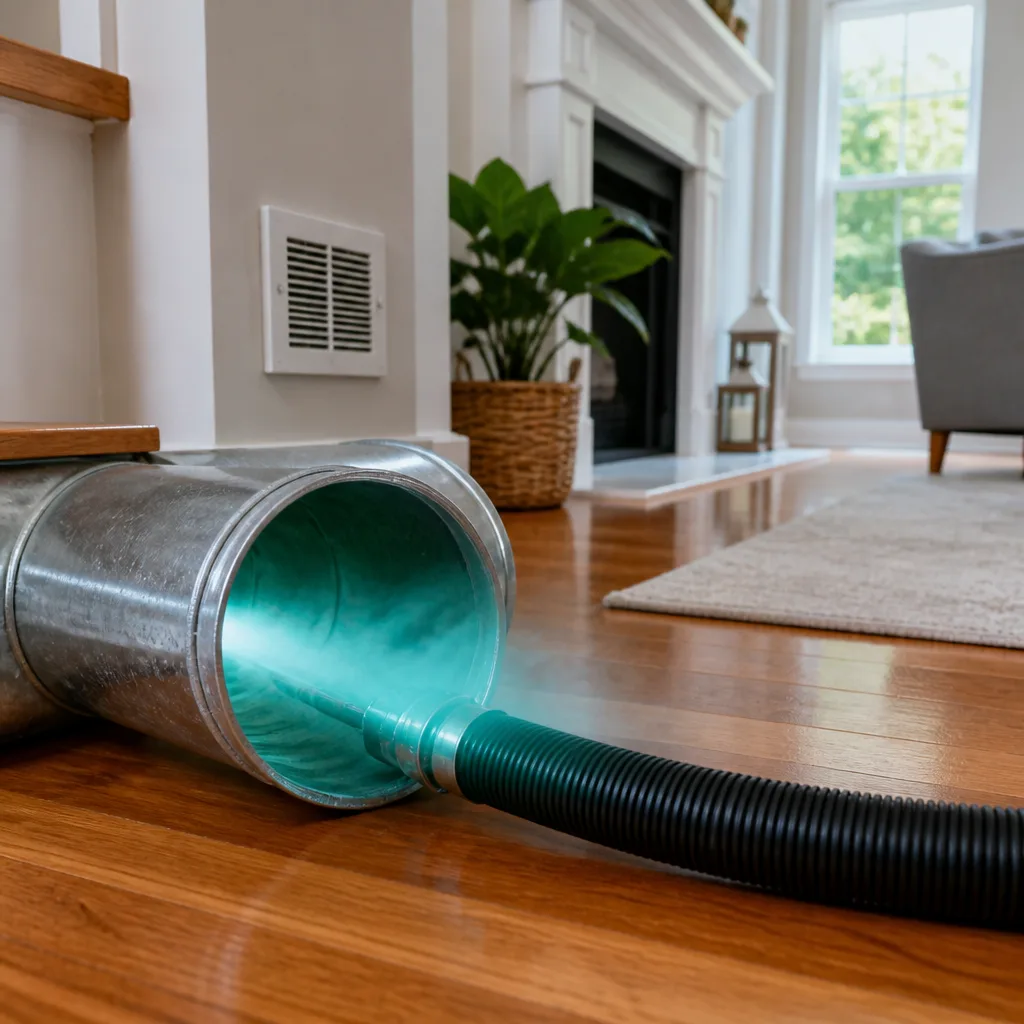 Sanitizing & deodorizing
Whole-system duct and dryer vent check with before-and-after photos - you see exactly what came out of your vents
That "$99 whole-house special" is a bait ad - the real number appears once they are in your hallway, or the "clean" is a shop-vac at the register. We photograph the inside of your ducts before and after instead.
Dryer Vent Cleaning Maintenance Checklist for Tallahassee Homeowners
The leading cause of dryer fires isn’t a full lint trap. It’s the run of vent pipe you can’t see from the laundry room, the part behind the wall where lint collects for years without anyone noticing. That problem gets worse in homes where the dryer sits far from an exterior wall, and a lot of Tallahassee houses are built exactly that way. This guide gives you a checklist built around how vent runs actually behave here: long horizontal duct paths, humid air that changes how lint behaves, and housing stock that still hides some outdated materials. You’ll learn how to map your own vent run, spot the red flags, build a cleaning schedule that fits your household, and understand what a real professional cleaning involves.
Quick Answer
Dryer vent cleaning in Tallahassee should happen roughly every one to two years for a typical household, sooner if you run several loads a week or have a long horizontal vent run. The job isn’t just clearing the lint trap. A proper cleaning clears the entire duct path from the dryer to the exterior, including the bends and hidden sections where compacted lint builds up in our humid climate. If your dryer takes longer than it used to, your clothes come out hotter, or you notice a musty smell, you’re already overdue.
Styles & brands we work with
- Whole-home duct cleaning
- Dryer vent cleaning
- Camera inspection
- Sanitizing & deodorizing
Table of Contents
- How to Map Your Dryer Vent Run
- Why Tallahassee Humidity Changes How Lint Behaves
- Red Flags in Tallahassee’s Older Housing Stock
- Building a Cleaning Schedule Around Your Household
- What a Professional Dryer Vent Cleaning Actually Involves
- Warning Signs You Shouldn’t Ignore
- What You Can Safely Check Yourself
- Common Mistakes to Avoid
How to Map Your Dryer Vent Run
Before you can maintain a vent, you need to know where it goes. Most homeowners never trace the full path. They know the dryer is in the laundry room and the vent exits somewhere on an exterior wall, and that’s about it. In Tallahassee, where ranch-style construction is common and single-story floor plans often put the laundry near the center of the house, that path can be surprisingly long and full of turns.
Here’s how to map it:
- Find your interior connection point. Pull the dryer out far enough to see the flexible connector behind it. Note whether it’s rigid metal, semi-rigid, or the thin foil flex duct. Note the material and its condition.
- Locate the exterior termination. Walk the outside of the house and find the vent hood, usually a louvered flap on the wall or roof. If you can’t find it, that itself is a red flag: sometimes a vent terminates in an attic or crawlspace where lint goes uncollected.
- Trace the path between them. Check the attic and any accessible crawlspaces. Look for the ductwork connecting the two points. Count each 90-degree turn and every bend.
- Estimate total length. Use a tape measure along the visible path and add your best estimate for hidden sections. A straight run from a laundry room to an exterior wall might be 6 to 10 feet. A center-hall layout running under the floor can easily hit 25 feet or more.
- Note every bend. Each 90-degree turn adds resistance. A dryer vent with two or three sharp turns loses airflow efficiency that a straight run of the same length doesn’t.
The bends are where lint collects first. Manufacturers of dryers typically recommend limiting the total run and the number of elbows, but plenty of homes in Tallahassee still have longer, more convoluted paths than the dryers were designed to serve. Those are the runs that need cleaning most often, because every bend is essentially a lint trap you can’t see. If your run has more than two sharp turns or runs beyond 15 feet, treat it as a high-attention vent in your schedule.
If tracing the path reveals damaged or disconnected sections, that’s a duct repair issue, not a maintenance one. Duct repair isn’t an add-on to a routine visit; it’s part of what makes the system work. Our air duct cleaning work touches the same duct network, and if your whole-home ducts are due, it makes sense to think about both systems together.
Why Tallahassee Humidity Changes How Lint Behaves
In dry climates, lint stays loose and dusty. It’s easier to blow out. In Tallahassee, where relative humidity runs high most of the year, lint behaves differently. Moisture plasters it to the walls of the duct. It compacts, bonds, and sticks. That changes both how much of it accumulates and how hard it is to remove.
What that means in practice:
- Lint clumps rather than floats. The fine fibers in dryer lint are hygroscopic; they absorb moisture from the air. Humid air turns loose dust into a dense, felt-like mat against the duct wall, particularly in cooler segments of the run and in the bends.
- It bonds to surface irregularities. Once compacted, lint fills in scratches, seams, and wrinkles. In older ducts with any texture, that’s where the build-up starts.
- Exhaust airflow drops faster than in dry climates. A vent that might go two years in Arizona can show restricted airflow after a year in Tallahassee, because the lint layer is thicker and denser at the same chronological age.
- Musty smells are a humidity signal. If your laundry room smells like damp cardboard or a closed attic, that’s compacted lint holding moisture, not just warm air.
This is one of the reasons we use professional equipment rather than a shop vac. Rotobrush and Nikro systems combine rotary agitation with high-volume extraction. The agitation is what breaks up bonded lint. Vacuum alone doesn’t do it. Our technicians have up to 9 years of experience, and much of that time has been spent on Florida vents where the build-up density is a different problem than it would be further north. We understand how the whole-home air system fits together, too, which is why we work with Honeywell and Aprilaire products when the broader air quality picture is part of the conversation.
Humidity isn’t the only factor, of course. Dryer heat and lint combine with the moisture to create the conditions for a fire. That’s the safety reason this matters, and why dryer vent cleaning isn’t a cosmetic task.
Red Flags in Tallahassee’s Older Housing Stock
Not every vent that passes a glance is safe or efficient. Some of the materials still hiding in Tallahassee homes are past their useful life, and a routine cleaning won’t fix that. Here’s what to look for.
Foil flex duct from 1980s and 1990s builds
Many homes built during those decades were fitted with thin foil flex duct as the standard dryer connector. It was cheap, flexible, and easy to install. It’s also the worst material for a dryer exhaust. The interior ridges catch lint, the foil can sag and create low spots where moisture and lint pool, and it kinks easily. In Tallahassee’s humidity, foil flex duct becomes a lint-catching sieve in a matter of years. If your connector is this material, replacement with rigid or semi-rigid metal is the right long-term move, not just a cleaning.
Long horizontal runs buried under the floor
Many of Tallahassee’s ranch layouts run the dryer vent horizontally under the floor and out a side wall. Those runs are the hardest to clean because gravity helps lint settle rather than carry to the termination. Sections where the run sags act as collection points.
Vents terminating in the attic or crawlspace
Some older installs exhaust into an attic or crawlspace rather than outdoors. That’s a ventilation and fire problem. Lint builds up in a confined space, moisture adds to it, and the result is a genuine hazard. A vent must terminate outside.
Plastic or vinyl flexible connectors
These are never appropriate for a dryer exhaust. They melt under normal dryer temperatures and burn quickly. Any home with a plastic connector has an immediate replacement need, not a cleaning schedule.
Missing or damaged exterior hoods
The exterior flap should close when the dryer isn’t running. If birds, pests, or weather intrusion are getting in, that’s an open pathway into the duct. Check the hood every time you check the duct.
If you notice any of these during your own inspection, the smart move is a professional look before the next cleaning cycle. Our Hillcrest Air Duct Cleaning team works on dryer vents specifically, so the assessment and the replacement recommendation come from someone whose only job is this kind of work.
Building a Cleaning Schedule Around Your Household
A blanket “clean the vent once a year” rule doesn’t fit every household. A retired couple running three loads a week has a different build-up rate than a family of four with a toddler and a dog running daily. Here’s a framework for setting your own interval.
- Start with baseline usage. Count how many loads your household runs in a typical week. This is the single biggest variable.
- Add a run-length adjustment. If your vent run is longer than about 15 feet or has more than two sharp bends, shorten your interval by a quarter to half.
- Adjust for occupancy and pets. Households with heavy daily laundry, multiple pets, or frequent bedding washes should lean toward the shorter end.
- Track dryer performance. If a full load of towels is taking noticeably longer to dry than it did six months ago, that’s a system telling you it needs attention regardless of the calendar.
- Reassess after each cleaning. The amount of lint removed gives you real information about the rate of build-up in your specific vent.
A simple starting framework:
- Light use (1-2 loads a week, short straight vent run): every 2 years.
- Typical use (3-4 loads a week, average run): every 12 to 18 months.
- Heavy use (5+ loads a week or long horizontal run): every 12 months, sometimes sooner.
- Any household with a long horizontal run plus heavy use: check at 6 months and adjust from there.
If you’re near a renovation, a move-in, or a change in household size, treat that as a natural reset point for the schedule. If you’re in another part of the region, our Tallahassee service page covers the surrounding neighborhoods, but the framework here applies broadly. A quick call is faster than guessing: (888) 721-9610.
What a Professional Dryer Vent Cleaning Actually Involves
A real dryer vent cleaning is mechanical, not just airflow. The difference matters because in Tallahassee’s humid climate the lint is bonded to the duct wall, and airflow alone leaves most of it in place. Here’s what a proper cleaning involves from start to finish.
- Interior inspection. The technician disconnects the dryer from the vent and inspects the interior connector and the first section of duct. Any foil flex, plastic, or damaged connector is flagged for replacement.
- Exterior termination inspection. The exterior hood is checked for proper function, obstruction, and pest intrusion.
- Run mapping. The full path is traced and the length and interior surface assessed. This is where the tech decides which tooling will work best.
- Mechanical agitation and extraction. For most residential runs, a rotary brush system is the primary tool. The brush spins against the duct walls, breaking bonded lint free, while high-volume extraction pulls the loosened material out through containment equipment.
- Air whip for irregular runs. Where the run has flex sections, corrugations, or tight bends that a rigid brush won’t clear thoroughly, a compressed-air whip is used. It flails inside the duct and reaches parts a static brush can’t. Professionals select tools based on the specific run, not a single tool for every job.
- Final verification. The vent is checked with a visual inspection and airflow test. Photographs before and after show you what came out.
- Reconnection and test run. The dryer is reconnected with a proper metal connector and run briefly to confirm airflow.
That fifth step, matching the tool to the duct, is where professional equipment separates itself from consumer-grade approaches. Rotobrush and Nikro systems are purpose-built for this work. Abatement Technologies equipment handles containment so the lint, dust, and particulate that come out of the duct don’t end up redistributing into your laundry room. We bring that equipment to every job. Our technicians have up to 9 years of experience with these tools on Florida homes specifically.
Warning Signs You Shouldn’t Ignore
Some signals are obvious. Some aren’t. These are the ones that routinely get missed in Tallahassee homes, mostly because they build slowly and homeowners adapt without noticing.
- Loads take longer than they used to. If a normal cycle now requires two, airflow is restricted somewhere in the run.
- Clothes feel hot or come out with a scorched smell. Heat is building without being carried out. That’s a fire risk indicator.
- The dryer itself feels hot to the touch. Same underlying cause.
- Laundry room humidity rises during a cycle. The vent isn’t carrying moisture out as it should.
- The exterior hood flap doesn’t lift when the dryer runs. Air isn’t getting out at all.
- Lint appears around the outside of the hood. The duct is full enough that lint is being pushed out the seams.
- A musty or burnt smell in the laundry room. Compacted lint holding moisture or accumulating heat.
- The lint trap fills faster than it used to. Counterintuitive but real: less airflow means less lint gets carried out, so more stays behind.
Any one of these is worth a professional look. Two or more together means you’re past the maintenance stage and into a needed service. Call (888) 721-9610. We answer 24/7. Fast dispatch from 7am to 7pm, Sunday through Friday.
What You Can Safely Check Yourself
Some checks belong in your hands. Others belong with a trained technician. The line matters, because a dryer vent has moving air, heat, and in some cases sharp metal edges inside it. Here’s what’s safe to inspect on your own and what to leave to a professional.
Safe to check yourself
- Empty the lint trap before every load. That’s the one non-negotiable daily habit.
- Pull the dryer out and look at the connector behind it. Identify the material without disconnecting it.
- Walk the exterior of the house and confirm the vent hood opens freely and closes when the dryer is off.
- Look for visible damage: crushed sections, kinks, holes, disconnected joints.
- Feel for warm, humid air near the exterior hood while the dryer runs.
- Check for musty or burnt smells.
Leave to a professional
- Disconnecting and reconnecting the dryer vent, especially on gas dryers, where a gas line is involved.
- Cleaning the interior duct with any brush or tool. Aggressive brushing can damage the duct or dislodge material that then re-forms.
- Any work inside an attic or crawlspace where the vent runs.
- Assessing whether foil flex duct or a plastic connector needs replacement.
- Anything involving the exterior hood beyond a visual check from ground level.
We don’t recommend trying to sweep the vent with a consumer-grade brush kit. They tend to loosen material without extracting it, which makes the next professional cleaning harder and sometimes compacts lint deeper into the bends. If you want to understand what’s in your ducts more broadly, our duct cleaning specialists cover that separately.
Common Mistakes to Avoid
- Relying on the lint trap alone. The trap catches maybe a fraction of the lint that gets produced. Most of it travels into the run and builds up there. In Tallahassee’s humidity, it doesn’t just travel; it sticks.
- Skipping a year because the dryer “still works.” Dryers work fine for a long time with restricted vents. The fire risk builds quietly. If a load of towels now takes 70 minutes instead of 50, that’s your system telling you something.
- Letting foil flex duct stay in place. In homes built during the 1980s and 1990s, that foiled connector is probably still behind the dryer. It’s the wrong material for the job in any climate, and worse in ours.
- Borrowing a shop vac for the job. A shop vac doesn’t agitate bonded lint, doesn’t reach past the first bend, and blows fine particulate back into the room. Professional extraction and containment equipment exist for a reason.
- Ignoring a long horizontal run. Center-laundry ranch layouts with under-floor venting are the most common slow-build-up configuration in Tallahassee’s older neighborhoods. Treat any run over 15 feet as high-maintenance.
- Cleaning the duct but not the exterior hood. A stuck or damaged hood stops airflow just as effectively as a clogged duct. It gets missed constantly.
- Assuming a recently replaced dryer means a recently cleaned vent. A new dryer connected to an old, packed vent is still running with restricted airflow. Replacement and cleaning are two separate jobs.
See the difference
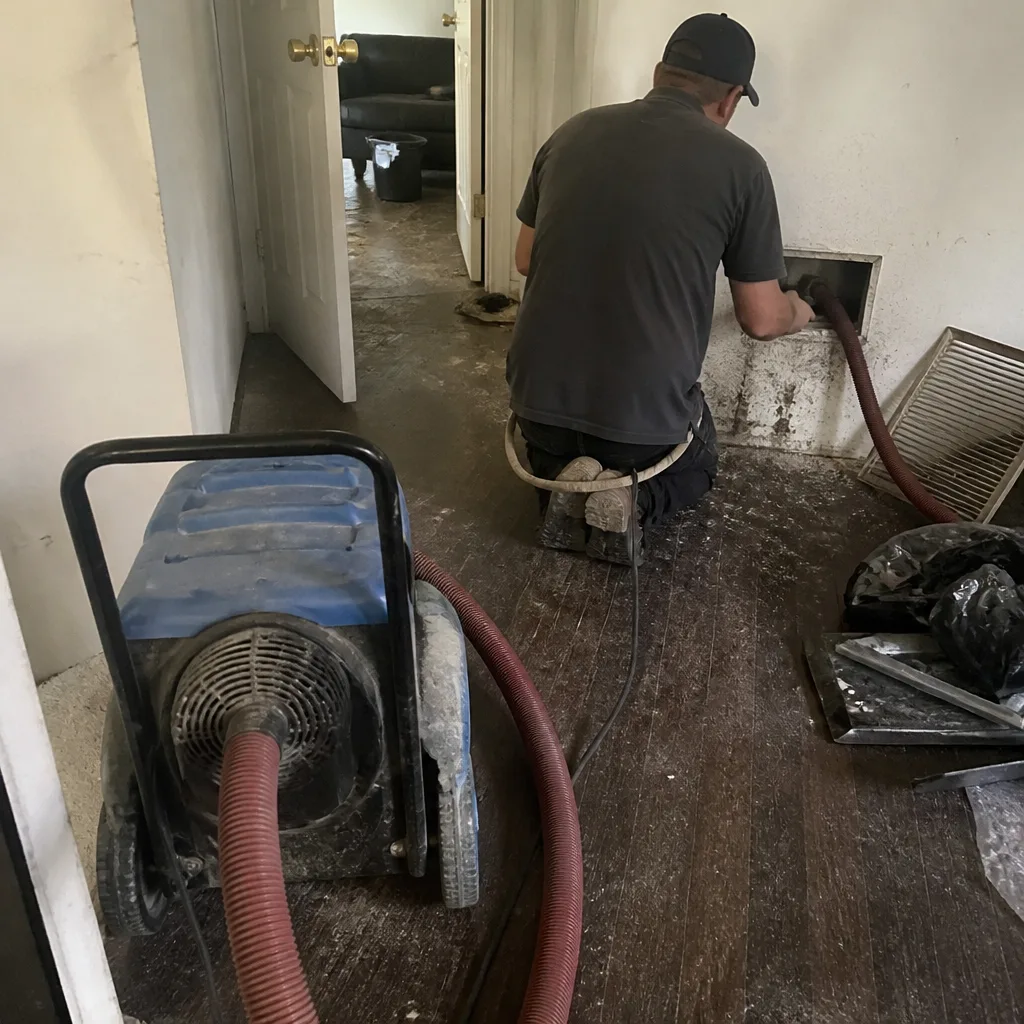 Before
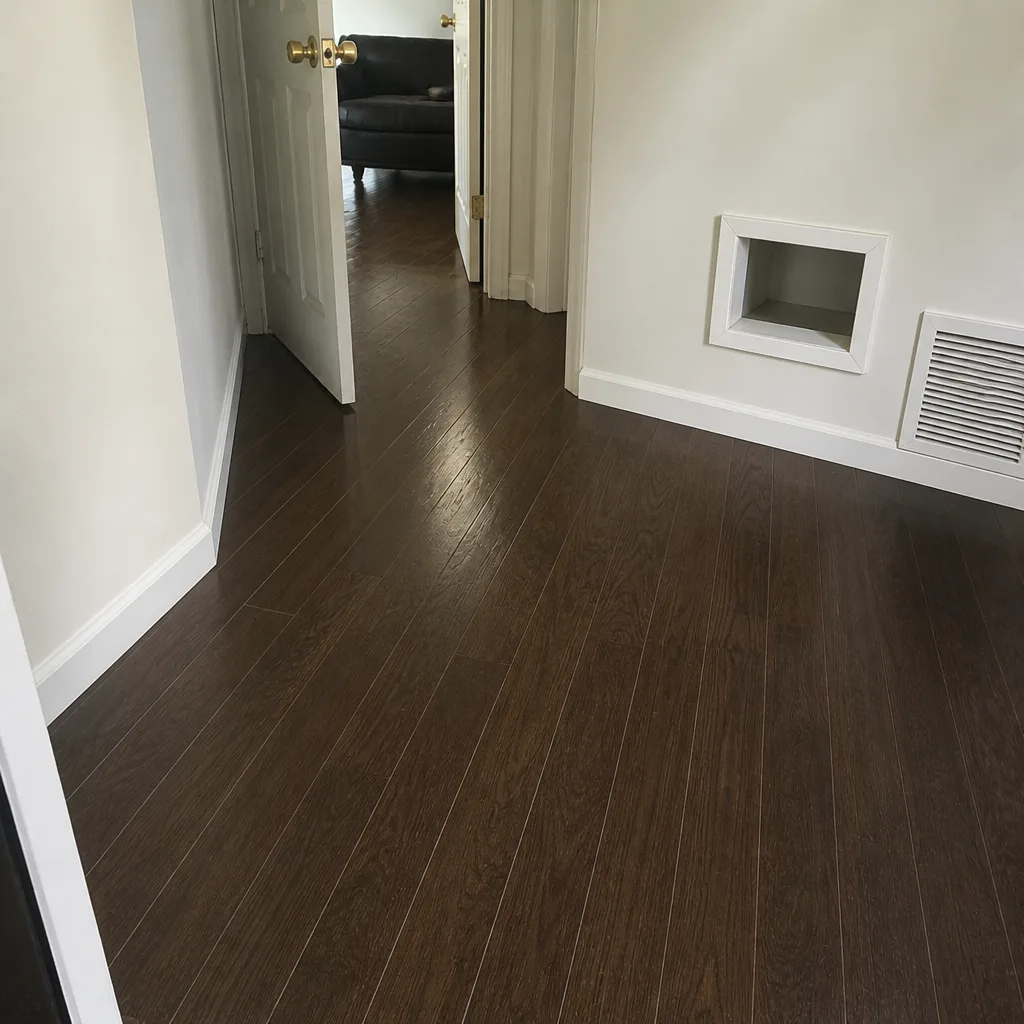 After
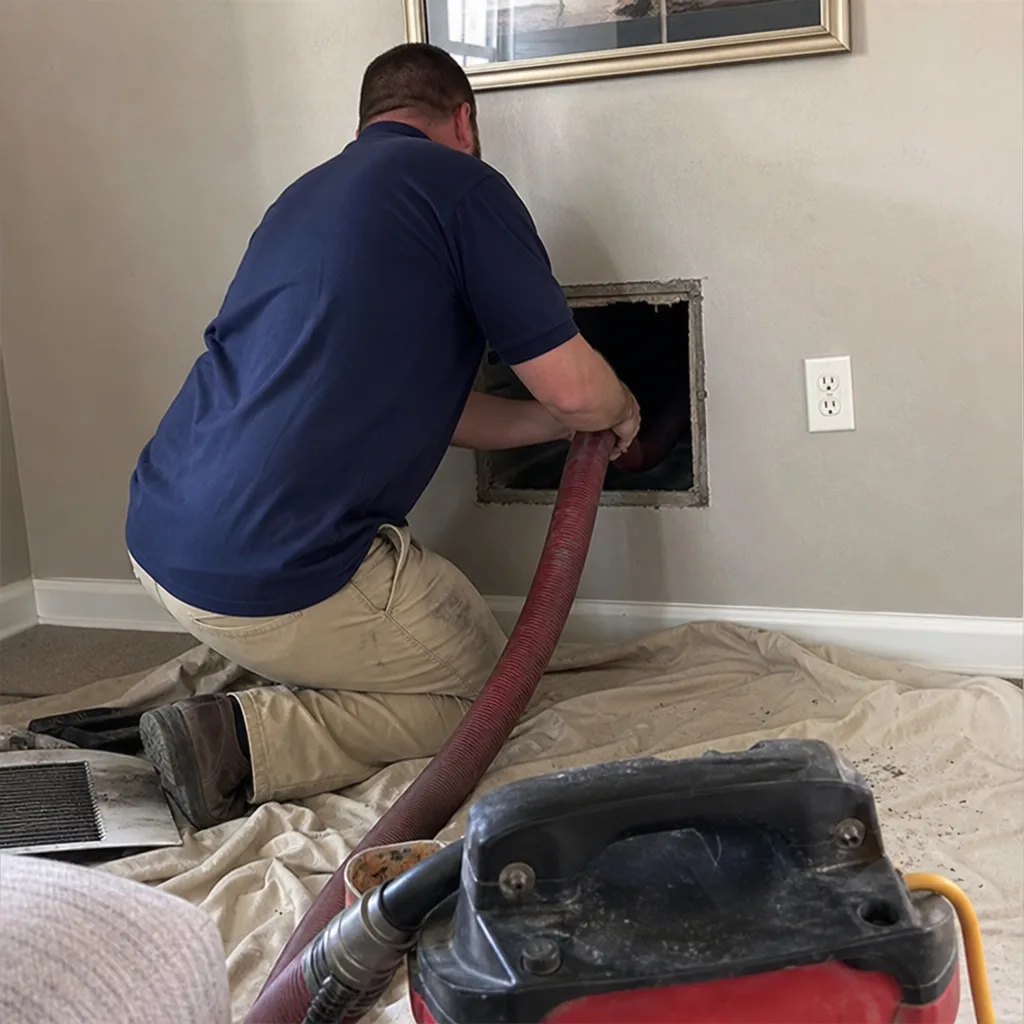 Before
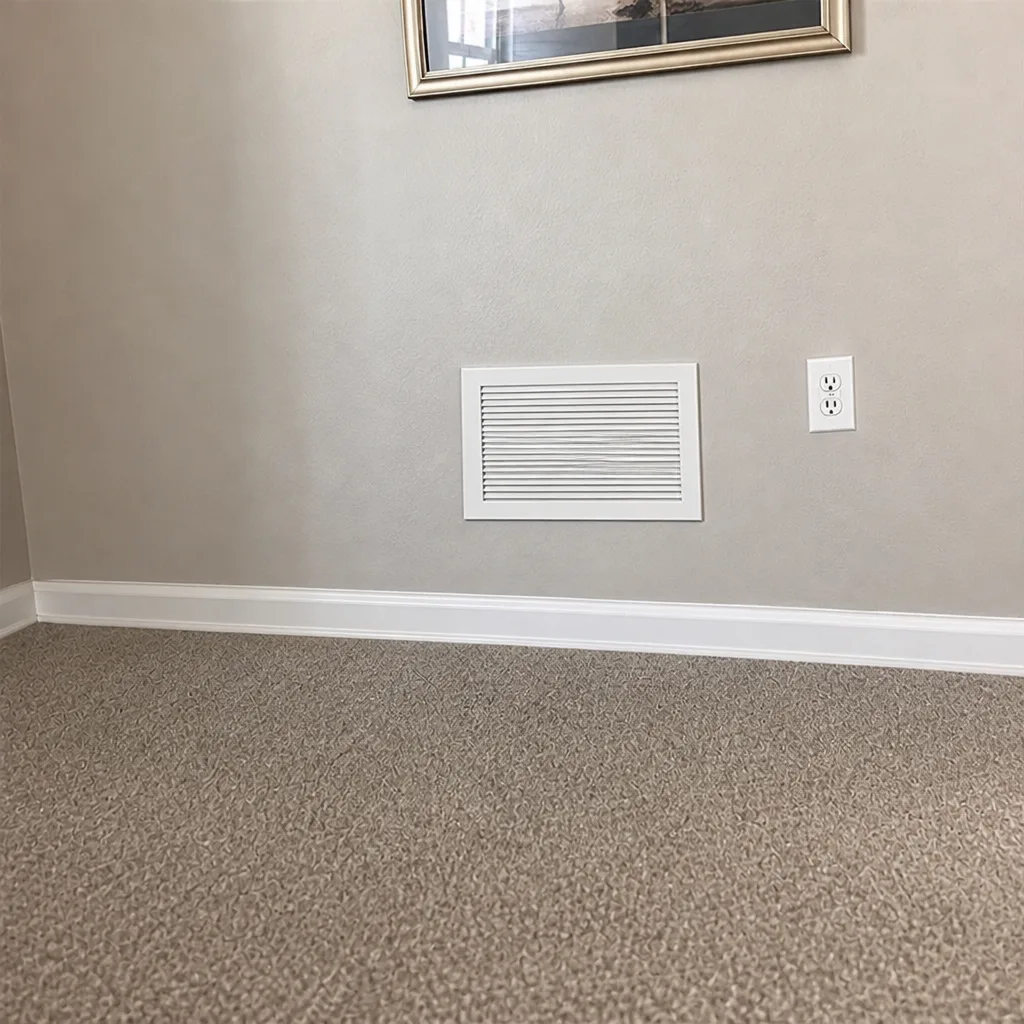 After
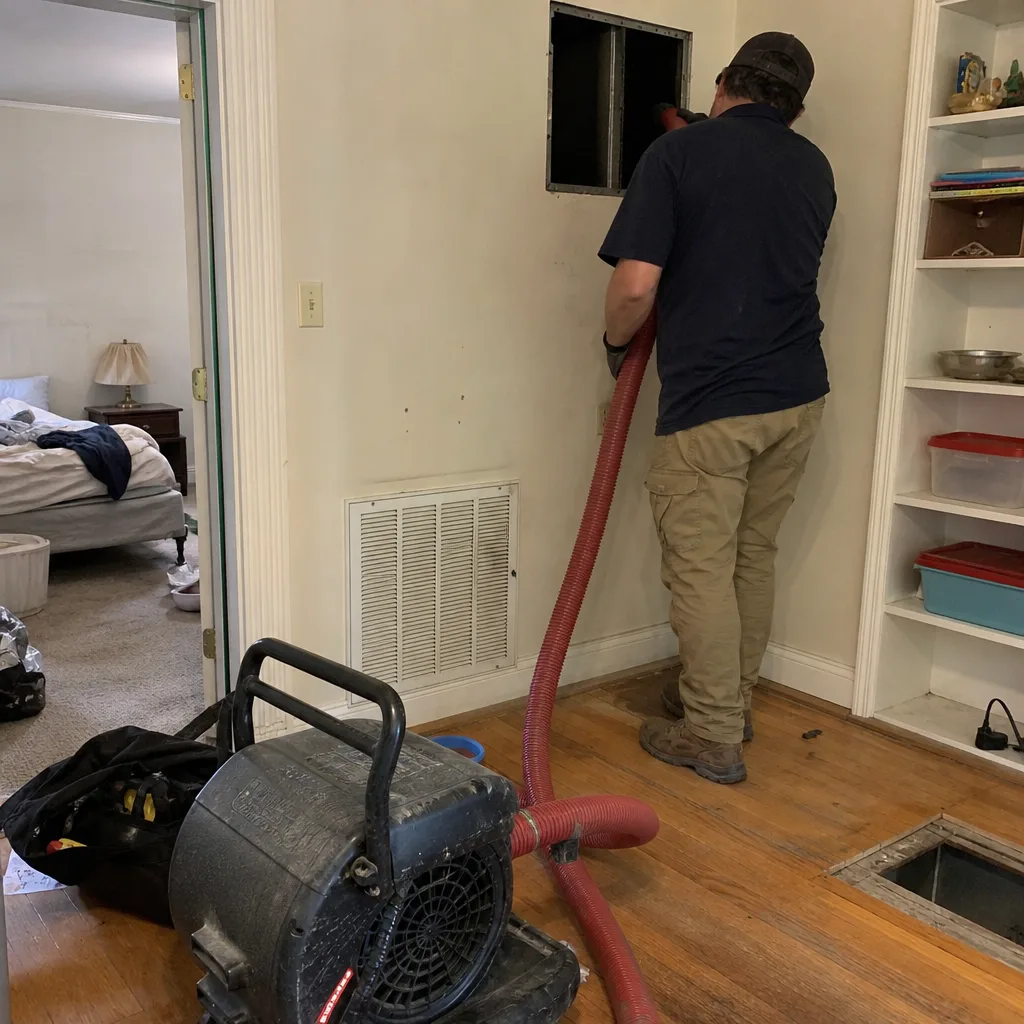 Before
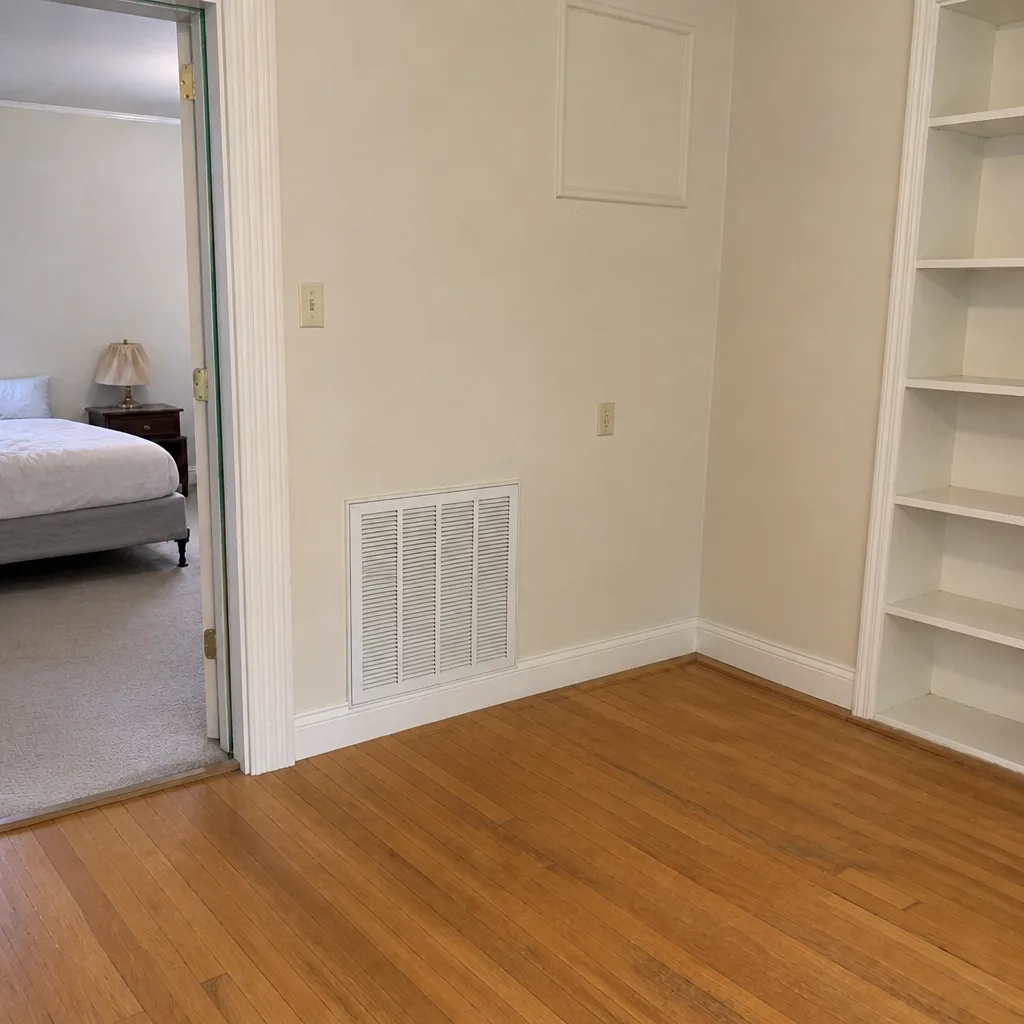 After
When to Call a Professional
Some of the checklist above you can handle. These situations need a trained technician with proper equipment:
- You can’t trace the full vent run, or the termination isn’t visible from outside.
- Any part of the interior connector is foil flex, plastic, or shows crush damage or holes.
- Loads are taking longer than they used to, or you’ve noticed a burnt smell.
- The exterior hood flap doesn’t open or close properly.
- Your vent run is over 15 feet or has multiple sharp bends.
- You notice lint or debris pushed out at the exterior hood.
- You haven’t had the vent professionally cleaned in more than two years.
Hillcrest Air Duct Cleaning offers free estimates in Tallahassee. Call (888) 721-9610. We answer 24/7. Fast dispatch from 7am to 7pm, Sunday through Friday. If your call comes outside dispatch hours, it’s booked into the next opening, Sunday through Friday, 7am to 7pm.
Frequently Asked Questions
Once every 12 to 24 months for most households, based on usage and vent run length. Homes with heavy laundry volume, long horizontal runs, or pets should lean toward the shorter end. Humid Tallahassee air bonds lint to duct walls faster than dry climates do, so err on the shorter side of any recommended range.
Typical pricing for a whole-vent cleaning in Tallahassee falls in the $120 to $250 range for a standard straight-run residential vent, with longer or more complex runs often in the $200 to $350 range. Be wary of any price quoted per vent or per foot without seeing the actual run. The written estimate you receive on site is what sets the final price. Call (888) 721-9610 for an exact quote; estimates are free.
Because “cleaning” varies widely. A $49 special usually means a shop vac at the dryer-side opening, which clears maybe the first foot of the run. It doesn’t reach the bends or the section under the floor, which is where the actual compacted lint sits. A real cleaning uses rotary agitation and high-volume extraction across the full run, and that costs more to perform. The written estimate you get before work starts is what protects you, and it should list exactly what’s being cleaned.
Ask for before-and-after photos of your own vent, not stock images. A proper cleaning includes visual verification and photographs at the completion stage. If a service can’t show you what came out of your duct, don’t assume it was removed.
It’s a real problem, especially in Tallahassee homes built in the 1980s and 1990s where it’s still common. Foil flex duct catches lint on its interior ridges, sags into low spots, kinks easily, and is a fire hazard at normal dryer temperatures. Cleaning it helps temporarily, but replacement with rigid or semi-rigid metal is the fix. Any plastic or vinyl flex connector should be replaced immediately.
We don’t recommend it. Consumer-grade brush kits tend to loosen lint without extracting it, which can push material deeper or compact it further into the bends. Professional cleaning uses tools like Rotobrush rotary systems and air whips paired with Abatement Technologies containment to actually remove the discharge. If you want the job done so you can stop thinking about it, call (888) 721-9610 for a free estimate.
The Bottom Line
Dryer vent maintenance in Tallahassee isn’t a once-a-year checkbox removed from context. It’s a schedule built around three realities: long horizontal runs common in ranch construction, humid air that bonds lint into compacted mats instead of keeping it loose, and housing stock where outdated materials are still doing the job. Map your run, note the materials, set an interval based on your household’s actual usage, and watch for the warning signs that build slowly. When the schedule catches up with you, or when you’d rather have a specialist confirm the vent is clear, Hillcrest Air Duct Cleaning works on dryer vents as one of three tightly focused services. Call (888) 721-9610 for a free estimate. We answer 24/7. Fast dispatch from 7am to 7pm, Sunday through Friday.
Written by the team at Hillcrest Air Duct Cleaning.