
Last updated November 16, 2026
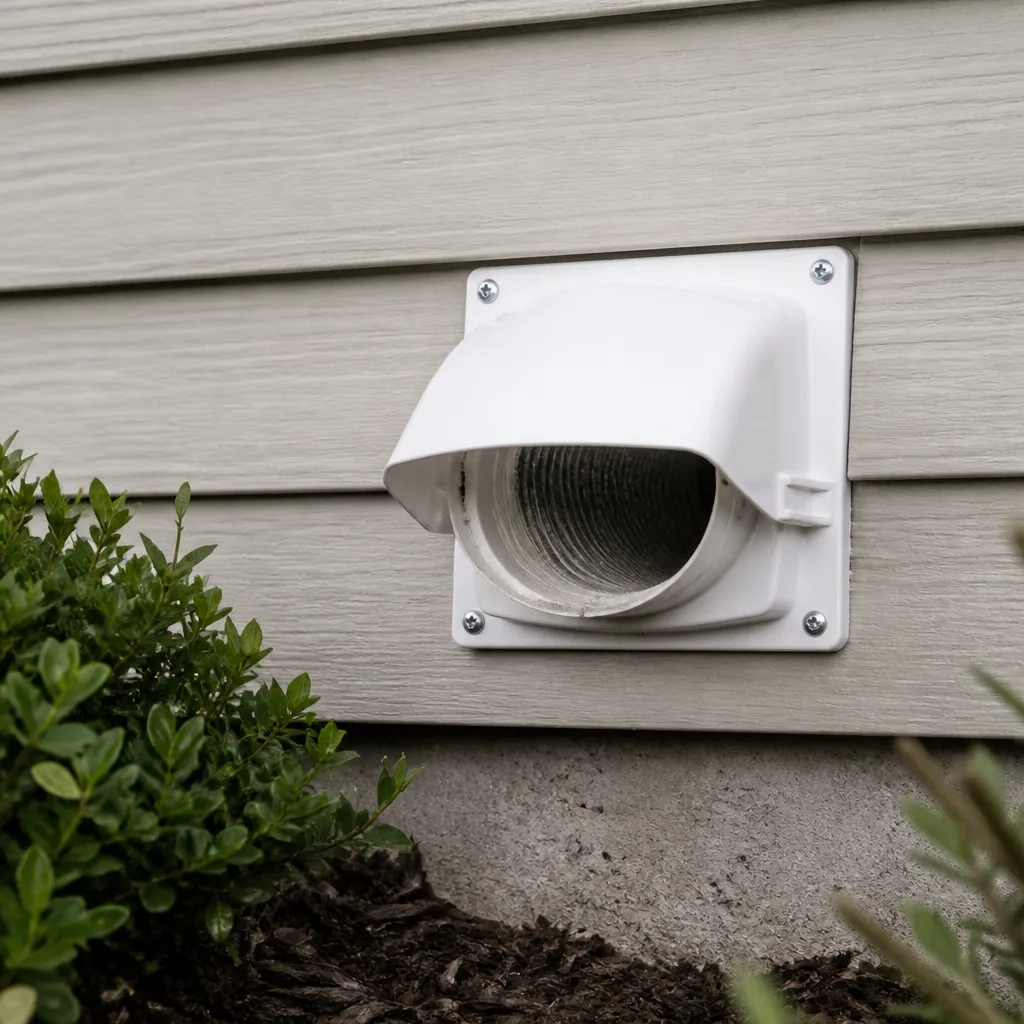 Dryer vent cleaning
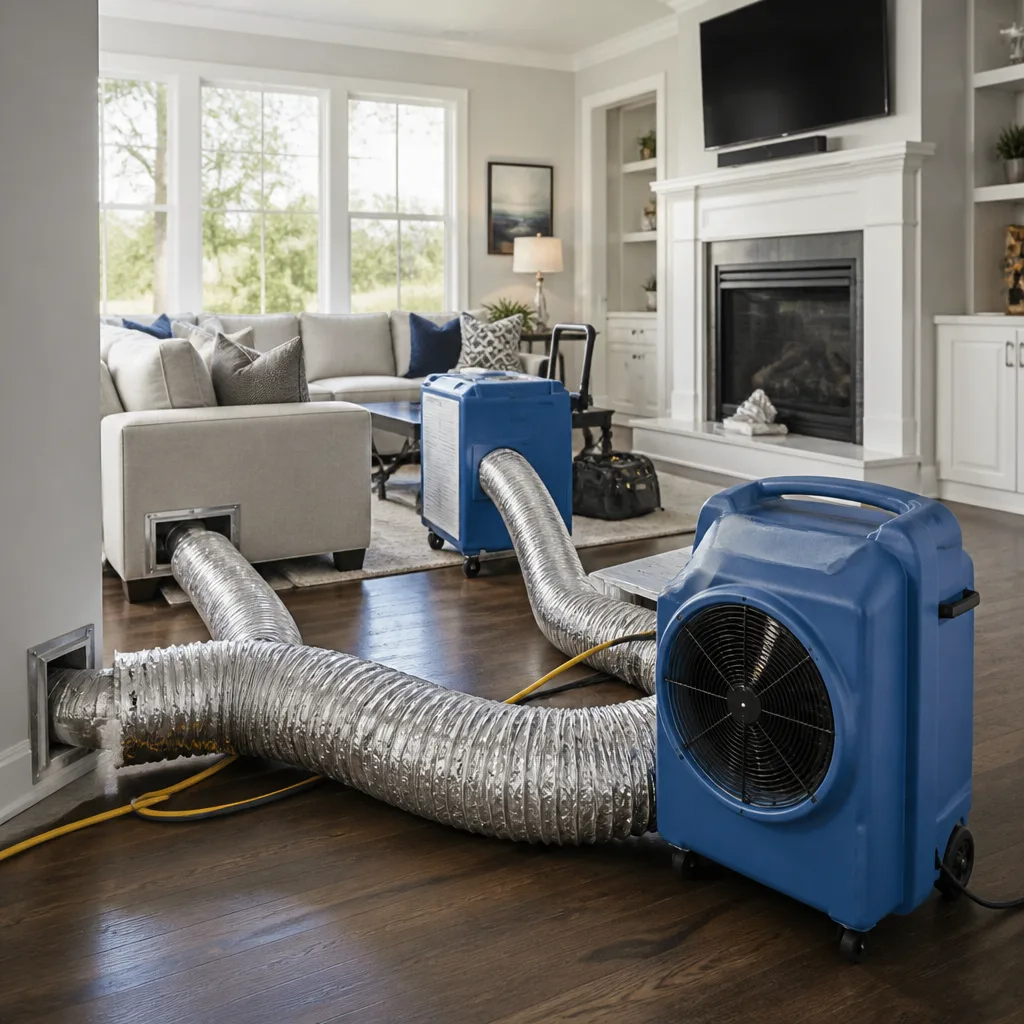 Whole-home duct cleaning
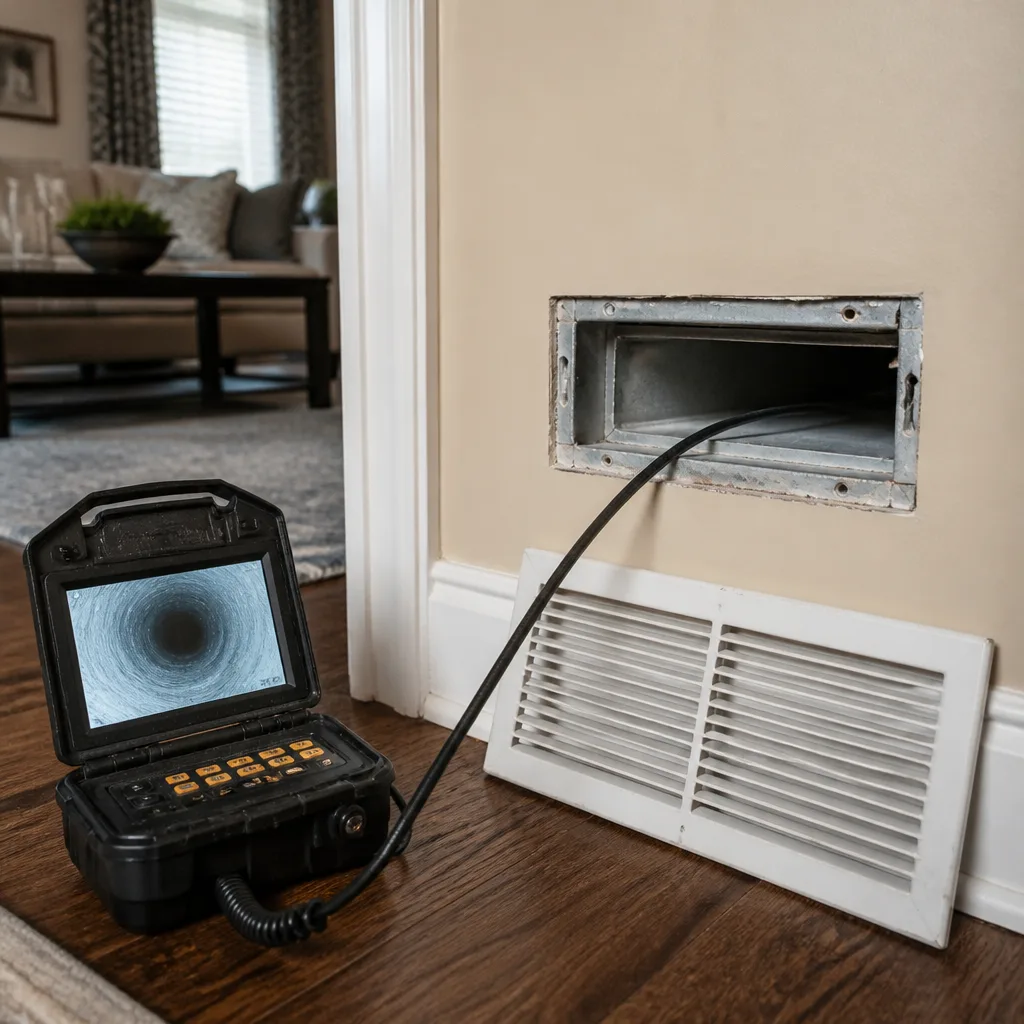 Camera inspection
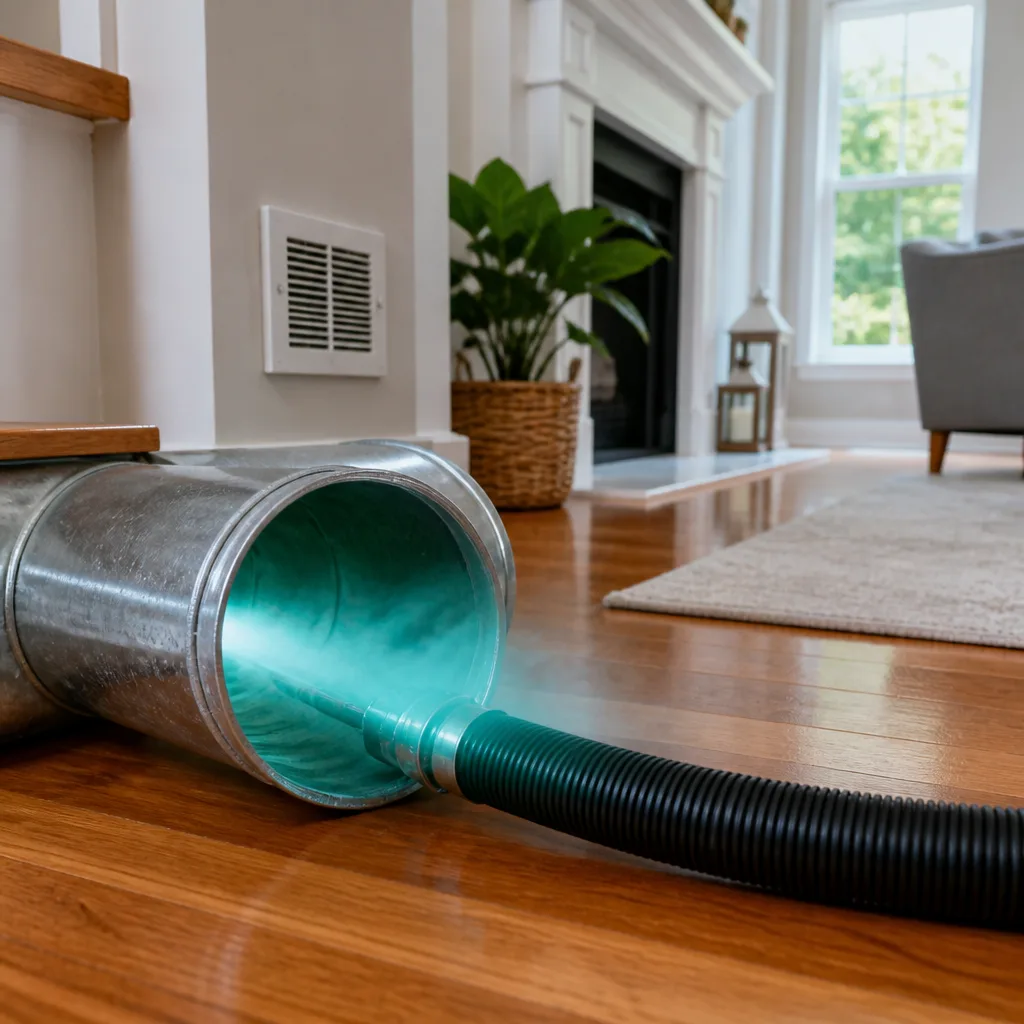 Sanitizing & deodorizing
Whole-system duct and dryer vent check with before-and-after photos - you see exactly what came out of your vents
That "$99 whole-house special" is a bait ad - the real number appears once they are in your hallway, or the "clean" is a shop-vac at the register. We photograph the inside of your ducts before and after instead.
Dryer Vent Cleaning Troubleshooting in Tallahassee: Common Problems and How to Fix Them
If your dryer takes two cycles to dry a load, the appliance isn’t failing – it’s being suffocated. The vent is the first thing to check, and the symptom pattern tells you exactly where the blockage is. Most homeowners in Tallahassee reach for a repair technician or start shopping for a new dryer when the real problem sits behind the machine, in a duct run they never see. The good news is that vent problems leave distinct fingerprints: long dry times point one way, a burning smell points another, a flap that won’t open points somewhere else entirely. This guide maps each symptom to its likely cause and walks through the fix, so you can decide what’s a five-minute check and what needs a professional.
Quick Answer
Most dryer performance problems in Tallahassee trace back to a restricted, crushed, or disconnected vent rather than the dryer itself. Long dry times usually mean lint buildup or a partial blockage; a burning smell or an exterior flap that won’t open signals airflow that’s been choked off almost completely; and a vent that was “just cleaned” but still underperforms points to a crushed connector hose, a failed booster fan, or duct separation inside the wall. Matching the symptom to the cause is how you fix it without replacing the appliance.
Styles & brands we work with
- Whole-home duct cleaning
- Dryer vent cleaning
- Camera inspection
- Sanitizing & deodorizing
Table of Contents
- Symptom-to-Cause Map: What Your Dryer Is Telling You
- Full Blockage vs. Partial Restriction vs. Crushed Duct
- Bird and Wasp Nests in Tallahassee Vent Caps
- “Just Cleaned” but Still Bad: Connector Hoses, Booster Fans, and Hidden Separation
- When Re-Routing the Vent Is the Actual Fix
- What You Can Check Yourself and What You Shouldn’t
- Common Mistakes to Avoid
- When to Call a Professional
Symptom-to-Cause Map: What Your Dryer Is Telling You
A dryer is a fairly simple machine: it heats air, pushes it through wet clothes, and exhausts the moist air out the vent. When the vent is restricted, the dryer doesn’t break – it just has nowhere to send the air, so it works harder and gets hotter. That’s why the symptom you notice first is almost always a vent symptom, not a motor symptom. Here’s how the common complaints map to what’s actually happening behind the machine.
- Long dry times (two cycles for a normal load): Partial restriction. Air is moving, just not enough of it. Most often lint accumulation along the duct run, a shallow kink in the flexible connector, or a partially blocked exterior cap.
- Burning or scorched smell: Airflow that’s been choked down to a trickle, letting the dryer’s internal temperature climb. This is a warning sign, not a nuisance. Stop running the dryer and have the vent inspected.
- Exterior flap doesn’t open (or barely flutters): The vent is blocked near the exit, or the run is under-sized or too long for the dryer to push against. This is the single clearest indicator of a real blockage.
- Exterior wall feels hot to the touch: Heat is backing up into the wall cavity because the exhaust can’t escape. A hot exterior wall around the vent cap is a strong signal that the run needs professional attention.
- Musty or damp smell in the laundry room: Moist air is staying in the system – often a sign of a disconnected duct inside the wall or a vent cap that’s plugged.
- Clothes hot but still damp at the end of a cycle: Heat is present but moisture isn’t leaving. Classic restricted-exhaust symptom.
Notice what isn’t on this list: a failed heating element, a bad thermal fuse, a broken belt. Those produce no heat, a dryer that won’t spin, or a machine that won’t start at all. If your dryer runs, heats, and tumbles but the clothes don’t get dry, the appliance is doing its job. The vent is the bottleneck.
Air duct cleaning is a close cousin to this diagnostic work, and we approach both the same way – map the symptom, confirm the cause, then fix the actual problem rather than the surface of it. If you want the duct side of your home evaluated alongside the vent, air duct cleaning covers the full system.
Full Blockage vs. Partial Restriction vs. Crushed Duct
These three vent conditions feel similar from inside the laundry room, but they need completely different responses. Treating a crushed duct with a cleaning brush, or treating a full blockage with more drying cycles, wastes time and can leave you with the same problem. Here’s how to tell them apart and what each one actually needs.
Full blockage
A full blockage means air can barely move at all. The tell is usually the exterior flap: it stays shut while the dryer runs, or it opens with a weak flutter and never fully flaps. Clothes stay soaked even on the longest cycle. The most common cause is a dense lint plug somewhere in the run, often where the flexible connector meets the rigid duct, or at the exterior termination. A full blockage is serious – it traps heat and lint together – and should be cleared by someone equipped for it.
Partial restriction
A partial restriction is the most common condition. Air still moves, which is why the dryer limps along rather than failing completely. The symptoms are subtler: dry times stretched to two cycles, a hot laundry room, clothes that feel slightly damp at the end. Lint buildup along the duct walls is the usual culprit. Left alone, a partial restriction keeps narrowing, so it eventually becomes a full blockage. Cleaning resolves it – the question is whether the duct itself is also in good shape.
Crushed or kinked duct
A crushed duct is a physical deformity, not buildup. Flexible connector hose is often the culprit: it gets pinched behind the dryer when the machine is pushed back against the wall, or a section of soft duct gets crushed during a renovation or remodel. A kinked connector cuts airflow dramatically no matter how clean the run is on either side. Cleaning a crushed duct does nothing – the restriction is structural. It needs to be replaced with a smooth, properly routed connector or a section of rigid duct.
How to distinguish all three from the laundry room, in order:
- Run the dryer on air-fluff (no heat) and watch the exterior flap. No movement means full or near-full blockage. Weak flutter means partial restriction or a crushed section.
- Check the flexible connector behind the dryer. If it’s clearly bent or pinched, you’ve found a structural restriction before you’ve opened anything up.
- Feel the exterior wall near the vent. A hot, backed-up wall points to a blockage deep in the run, not a simple connector issue.
- Compare two conditions after cleaning. If the run has been cleaned and the dryer still underperforms, the remaining restriction is structural – a crushed section or a duct that’s too long or too convoluted for the dryer to push through.
Bird and Wasp Nests in Tallahassee Vent Caps
Not every blocked vent is full of lint – and this is where Tallahassee homeowners get surprised. The warm, damp climate here and the year-round bird and insect activity around residential exteriors make vent caps a genuine nesting target. The symptom gets misread as lint buildup, so people clean the duct and still end up with the same problem, because the obstruction was never in the duct at all.
How to tell an animal obstruction from lint
- The flap tells a different story. Lint buildup tends to restrict gradually. A bird nest or wasp nest blocks hard and fast – one day the dryer works, the next it doesn’t, and the exterior flap is jammed open or shut with visible debris.
- You can often see it. Look at the vent cap from outside. Twigs, grass, feathers, or the papery edge of a wasp nest are all visible with a flashlight. Lint plugs tend to be grey and matted, not structural.
- Sound. A bird in the vent can sometimes be heard scratching or fluttering. A wasp nest usually produces quiet activity at the cap, not inside the run.
- Timing. Nest activity shows up when the cap stays undisturbed. A vent that ran fine and then failed suddenly often points to an animal rather than lint.
What to do about it
A wasp nest in a vent cap is not a do-it-yourself removal. Disturbing an active nest puts you at real risk of stings, and the wasps can be inside the cap itself where you can’t see them clearly. A bird nest is easier to identify but harder to remove safely, because reaching into the cap blind is how people get scratched or end up dislodging the entire cap assembly. Both warrant a professional visit, especially once the nest has been packed in by the vent’s heat and airflow.
The fix isn’t just clearing the nest. Once a cap has been used for nesting, it needs to be inspected for damage, and the cap should be fitted with the right protective hardware so the next bird looks somewhere else. That’s part of the same job as a full dryer vent cleaning, and it’s the kind of work we handle with containment and extraction tools rather than a shop vac – Abatement Technologies equipment keeps the debris controlled instead of blowing it back into the room.
“Just Cleaned” but Still Bad: Connector Hoses, Booster Fans, and Hidden Separation
This is the most frustrating call we take. A homeowner has paid for a cleaning, the vent looks clear, and the dryer still takes two cycles. Something is still restricting the system, and it usually falls into one of three categories. Here’s the order we run through them in a Tallahassee home.
1. The flexible connector hose
The connector between the dryer and the wall is the most common failure point, and the easiest to miss. It’s often a foil or vinyl flexible hose, and it can crush when the dryer is pushed back, sag into a valley where lint collects, or tear at one of its crimped joints. A “cleaned” vent with a crushed connector behind the dryer is still restricted. In our experience, replacing a sagging flexible connector with a smooth metal duct is often the difference between an appliance that limps and one that dries a load properly.
2. A failed booster fan
Some homes, especially those with long or complex vent runs, have a booster fan inline to help push exhaust out. When the fan fails, it becomes a blockage in the middle of a “clean” duct. The symptom is subtle: the vent was recently cleaned, the dryer runs, but the flap barely moves. If you can hear the fan running but the airflow is weak, the fan isn’t working the way it should. A failed booster is a hardware fix, not a cleaning fix.
3. Duct separation inside the wall
This is the one that requires the most caution. A rigid duct run can separate at a joint inside the wall or above the ceiling – the cleaning brush passes through the open seam, the duct looks clean, but the exhaust is escaping into the wall cavity instead of outside. That’s why the exterior flap doesn’t open even after a cleaning. A separated duct is a moisture, lint, and heat problem inside a closed space, and it’s worth catching early. The good news is that our air duct repair service exists specifically for this scenario, so the vent gets reconnected instead of just re-cleaned.
In each case, the diagnostic step is the same: confirm the vent is actually moving air from the dryer to the outside, end to end, not just that the visible portion is clear. A cleaning that doesn’t include that check is only half a job.
When Re-Routing the Vent Is the Actual Fix
Sometimes the right answer isn’t cleaning or a part replacement – it’s moving the duct. This is the case homeowners rarely hear about, because it’s the more involved recommendation, and it’s the one that actually solves the problem in certain houses. If a vent run is too long, has too many turns, or is routed through a wall cavity where it can’t be properly supported, no amount of cleaning will fix the airflow.
The signs a re-route is the real fix:
- Repeated cleanings with no lasting improvement. If the same restriction returns within a short time, the run itself is likely at fault, not the lint.
- A run that’s long and bend-heavy. Every 90-degree turn and every extra foot adds back pressure the dryer has to overcome. A dryer that’s undersized for its run will always underperform, no matter how clean the duct is.
- A run that passes through a tight or inaccessible space. Ducts routed through inaccessible cavities can’t be properly inspected or maintained, and they’re where hidden separations hide.
- A duct that has separated inside the wall and can’t be reached for repair. Re-routing to an accessible path is sometimes the cleaner fix than opening a finished wall.
Re-routing is not a small job, and we don’t recommend it casually. But when a dryer is fighting a duct that was installed badly to begin with, cleaning is a bandage. Routing the run properly – shorter, straighter, and accessible – is the durable solution, and it’s where a specialist’s experience with duct layout and airflow makes the difference. In Tallahassee, where many homes have had additions and remodels over the years, it’s not unusual to find a vent run that was routed around an addition rather than through it properly, and those are the ones that most often benefit from a re-route.
Duct repair isn’t an add-on to a complete job – it’s part of it. If you’re evaluating the whole system, our Tallahassee service page covers what a full visit includes.
What You Can Check Yourself and What You Shouldn’t
A few checks are safe from inside the laundry room and will tell you a lot before anyone comes out. Everything beyond that runs into real safety limits. Here’s the split.
Safe for a homeowner to check
- Run the dryer and watch the exterior flap. This is the single most informative check and takes two minutes. Full flutter means air is moving; nothing or a weak flutter means a restriction.
- Look at the vent cap from outside with a flashlight. You can identify nests, debris, and obvious damage without touching anything.
- Pull the dryer out and look at the flexible connector. If you can see a crush, kink, or tear, you’ve found the likely problem.
- Feel the exterior wall near the vent. A hot wall points to a blockage you shouldn’t try to reach yourself.
- Check the lint screen and the immediate lint trap area. Clear them, then re-test. If the symptom doesn’t change, the problem is deeper.
Not safe to attempt yourself
- Reaching into the vent cap to remove a nest. Wasp nests and bird nests both present real injury risk, and the cap assembly is easy to dislodge or damage.
- Pushing a brush or auger deep into the duct run. A homeowner tool can separate a duct joint inside the wall, turning a cleaning problem into a repair problem.
- Opening or disconnecting any part of the vent that can’t be reconnected properly. A disconnected joint lets exhaust into the wall or ceiling cavity.
- Handling an inline booster fan or any electrical component. Leave the electrical side of the system to someone qualified.
- Working around a vent that’s showing a burning smell. Heat buildup in a restricted vent is a warning sign. Stop using the dryer and have it inspected.
Our technicians have up to 9 years of experience and use purpose-built Rotobrush and Nikro equipment – not repurposed vacuums – so the work reaches the full run without damaging it. That’s the difference between a check that reveals a problem and a check that creates one.
Common Mistakes to Avoid
- Blaming the dryer before checking the vent. If the machine heats and tumbles, the vent is the far more likely culprit. Get the flap check done before you consider a repair call.
- Assuming a recent cleaning ruled out the vent. A cleaning that skipped the connector hose, the booster fan, or the inside-wall duct can leave the real restriction in place. Ask what the cleaning actually covered.
- Ignoring a burning smell as “normal dryer heat.” A restricted vent that’s getting hot is a warning, not a quirk. Stop the dryer and have the vent looked at.
- Choosing a low-bid cleaner who quotes a flat price sight-unseen. In Tallahassee, vent condition varies enough that a price without an inspection is a guess. A written estimate per job reflects the actual work.
- Reaching into a vent cap to clear a nest yourself. Wasp nests are a genuine sting risk, and bird nests bring their own hazards. Leave the cap work to a professional.
- Cleaning a crushed duct instead of fixing it. If the flexible connector is pinched or the run is kinked, cleaning won’t restore airflow. The duct needs replacing or re-routing.
- Treating a re-route as unnecessary. When a duct run is too long or too convoluted, repeated cleanings won’t solve the underlying problem. Honest advice sometimes means fixing the layout.
When to Call a Professional
Some vent problems are a quick check. Others need someone who can inspect the whole run, confirm airflow end to end, and fix a structural issue rather than clean around it. Call a professional if the exterior flap won’t open while the dryer runs, if you smell burning or find the wall hot near the vent, if you can see a nest in the cap, if the dryer was recently cleaned and still underperforms, or if the same restriction keeps returning. Those are the scenarios where cleaning alone won’t hold, and where the right diagnosis saves you from repeat visits. We’re a duct-and-vent specialist rather than a general contractor, and dryer vent work is one of our three core services along with duct cleaning and duct repair. Hillcrest Air Duct Cleaning offers free estimates in Tallahassee – call (888) 721-9610. We answer 24/7. Fast dispatch from 7am to 7pm, Sunday through Friday.
See the difference
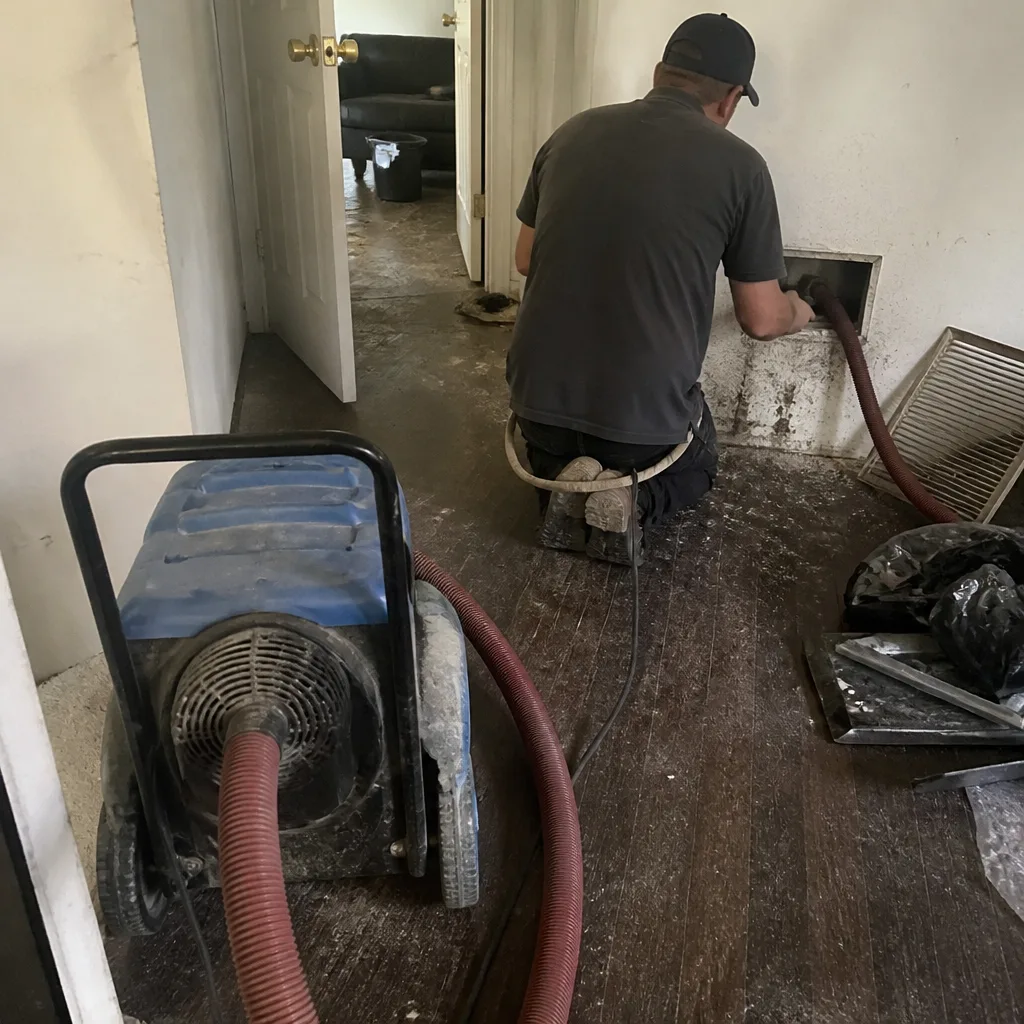 Before
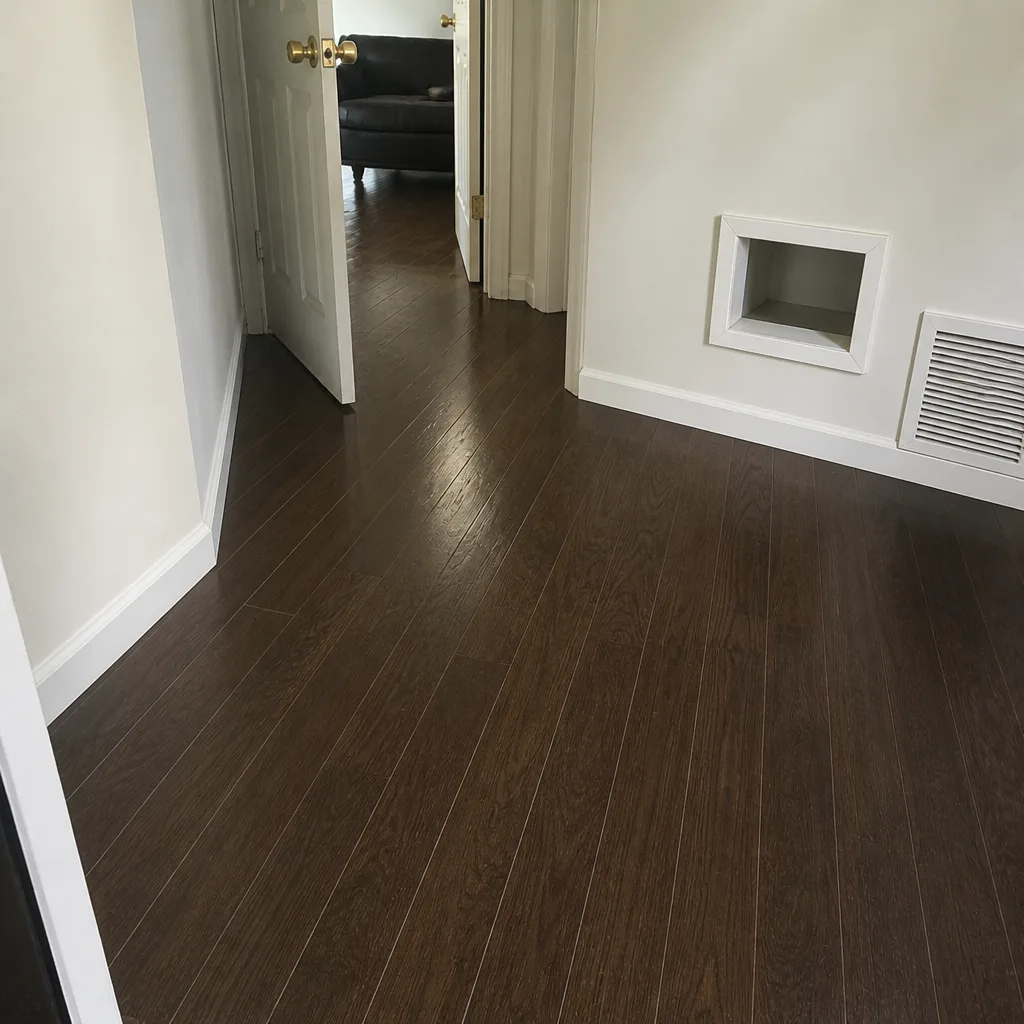 After
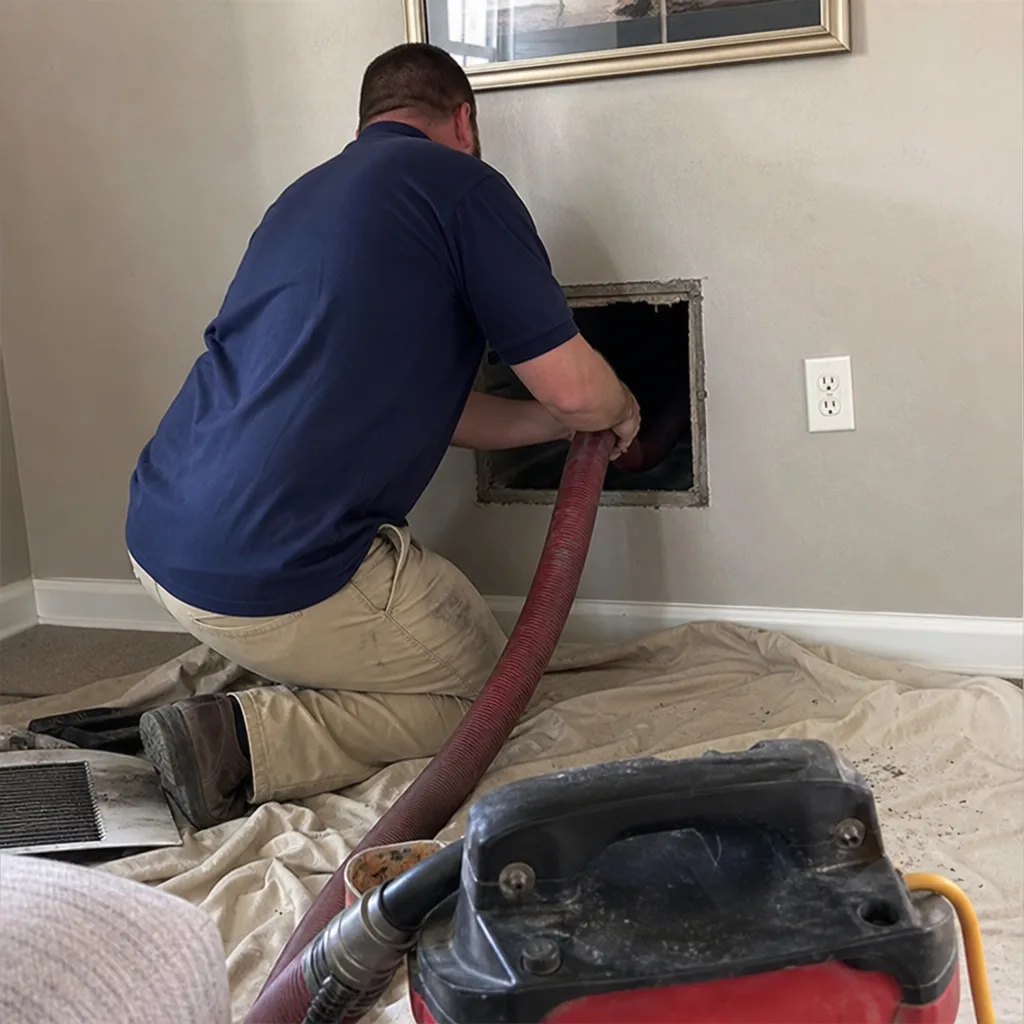 Before
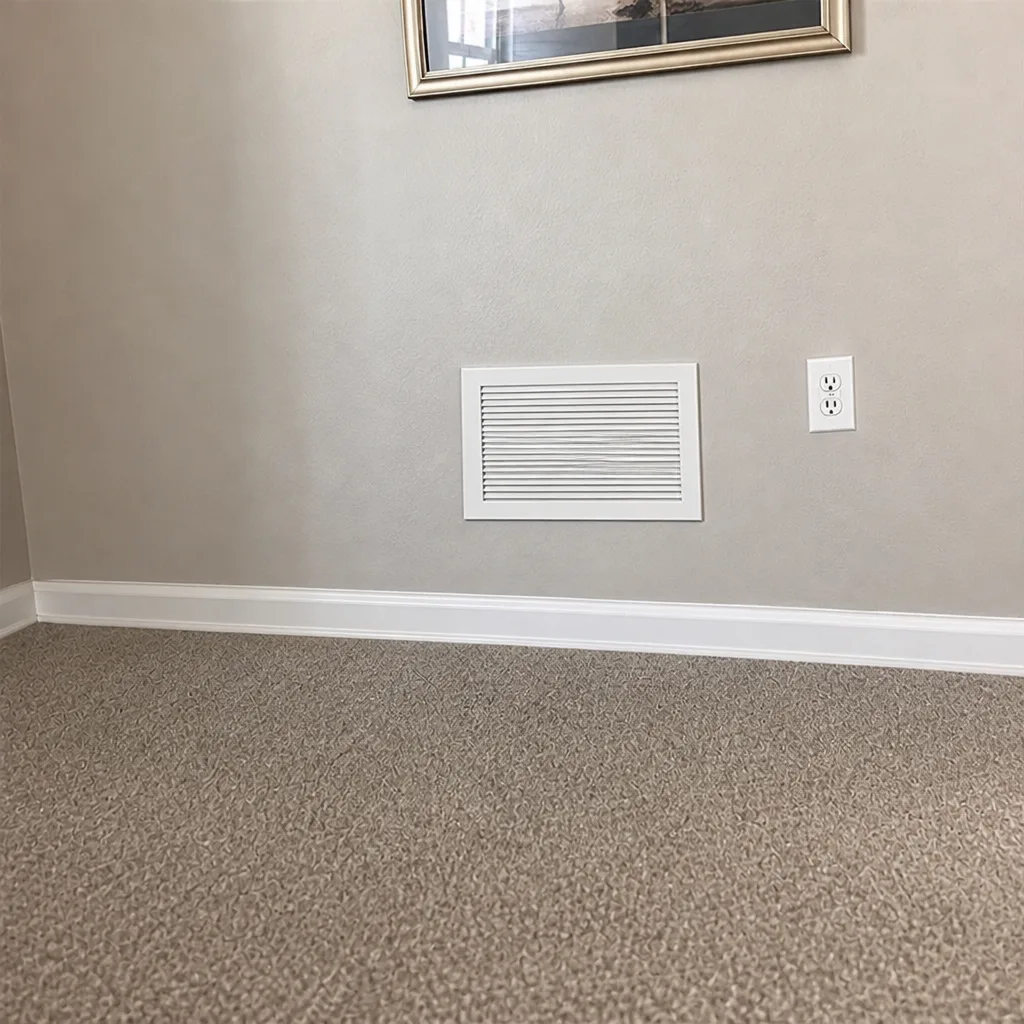 After
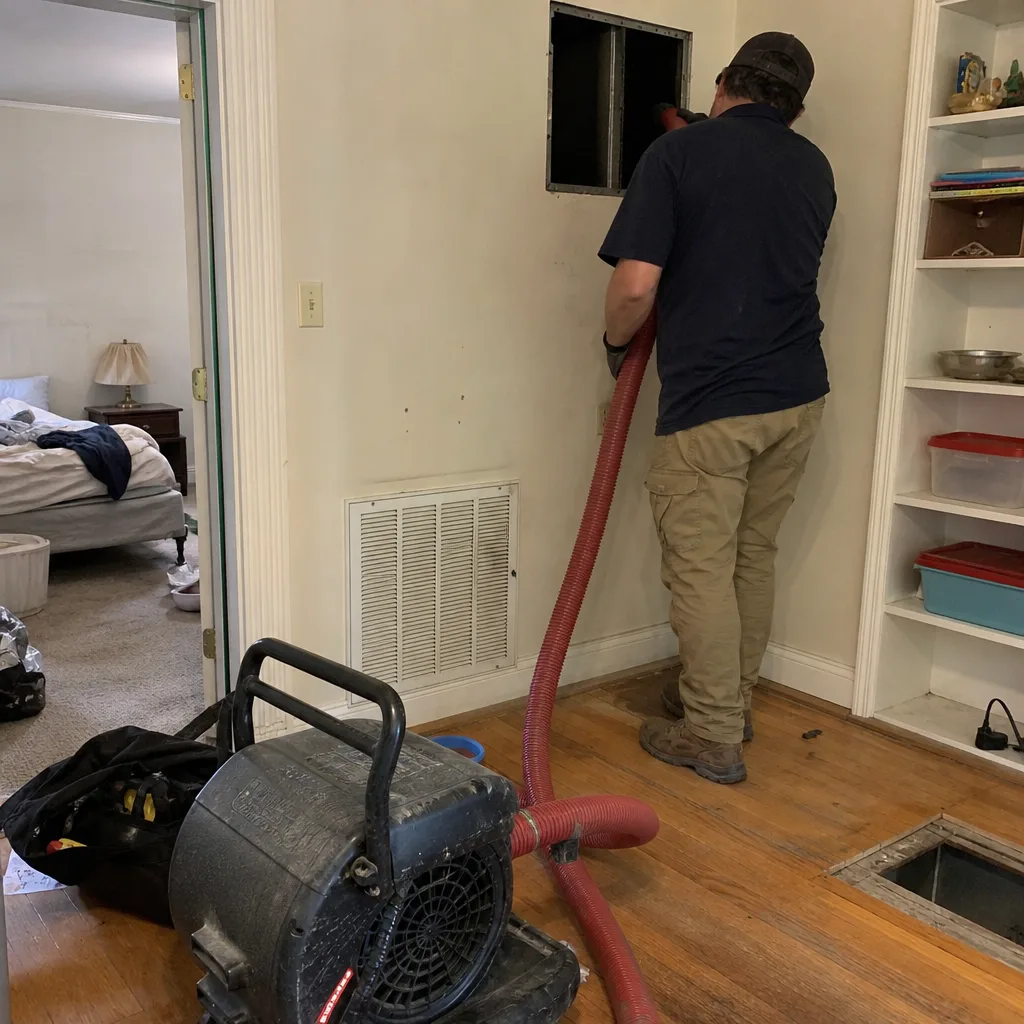 Before
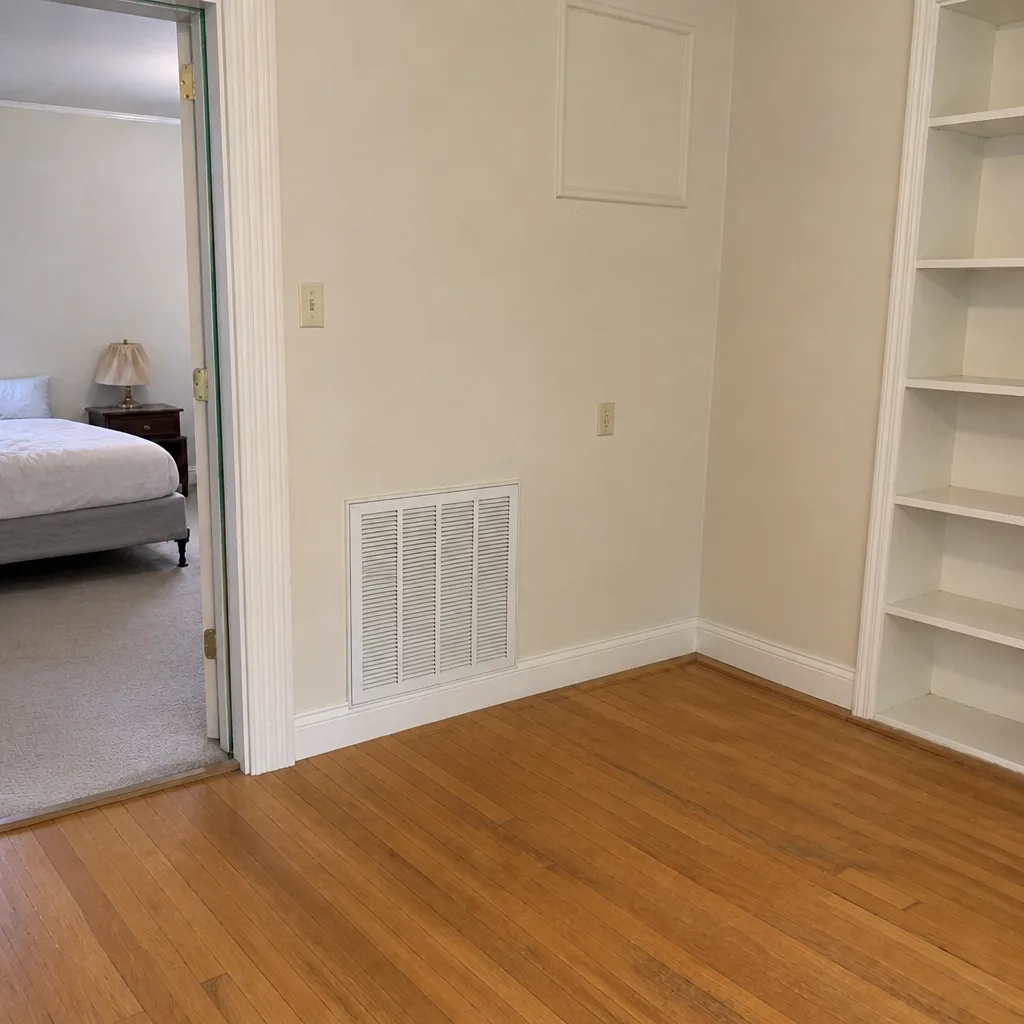 After
Frequently Asked Questions
Long dry times almost always point to a partial vent restriction, most often lint buildup, a shallow kink in the connector hose, or a partially blocked exterior cap. In Tallahassee’s humid climate, the vent is also doing more work, so a slight restriction shows up faster than it would in a drier one. If the exterior flap barely moves while the dryer runs, the vent is your bottleneck. Call (888) 721-9610 for an exact quote – estimates are free.
A low quote is often a sight-unseen price that grows once the technician is on site, or a cleaning that skips the parts of the job that matter – the connector hose, the exterior cap, the inside-wall section. We set one flat price per system in the written estimate before work starts, and you get before-and-after photos of your own vent, so you can see what was actually done. A solid quote tells you what’s included and what isn’t.
Ask for before-and-after photos of your own vent, and confirm what was included in the scope – connector hose, exterior cap, and the full run. A cleaning that leaves the crash-prone flexible connector untouched or skips the cap hasn’t solved the problem, even if the duct looks clear. We photograph the job so you can confirm what was cleaned. Call (888) 721-9610 for an exact quote – estimates are free.
For most homes, once a year keeps the vent clear, but the right interval depends on the run length, the number of turns, and how heavily the dryer is used. Homes with long vent runs or a history of animal nesting may need more frequent checks. If you’re seeing stretched dry times before the year is up, the vent is telling you something. Call (888) 721-9610 for an exact quote – estimates are free.
A nest in the cap can’t catch fire on its own the way lint can, but it blocks the airflow that keeps the dryer running cool, which is what makes it a real risk. A nest restricts exhaust the same way a lint plug does, and the heat buildup that follows is the same hazard. If you can see a nest, don’t run the dryer until the cap is cleared and inspected.
A cleaning clears lint and debris from the existing duct run. A re-route physically changes the path of the duct – making it shorter, straighter, and accessible – which is the fix when the run itself is too long or too convoluted for the dryer to push against. Cleaning restores a good run; a re-route repairs a bad one.
The Bottom Line
The dryer is rarely the problem. Long dry times, burning smells, a flap that won’t open, and a hot exterior wall are vent symptoms, and they tell you exactly what kind of restriction you’re dealing with. A full blockage, a partial restriction, a crushed connector, an animal nest, a failed booster fan, a separated duct inside the wall, and a badly routed run all look similar from the laundry room but need different fixes. Match the symptom to the cause, and you’ll know whether a quick check solves it or a professional visit does. If the vent was cleaned and still underperforms – or if you’re seeing a warning sign – that’s when a proper inspection pays for itself. Hillcrest Air Duct Cleaning offers free estimates in Tallahassee: call (888) 721-9610. We answer 24/7. Fast dispatch from 7am to 7pm, Sunday through Friday.
Written by the team at Hillcrest Air Duct Cleaning.