
Last updated November 16, 2026
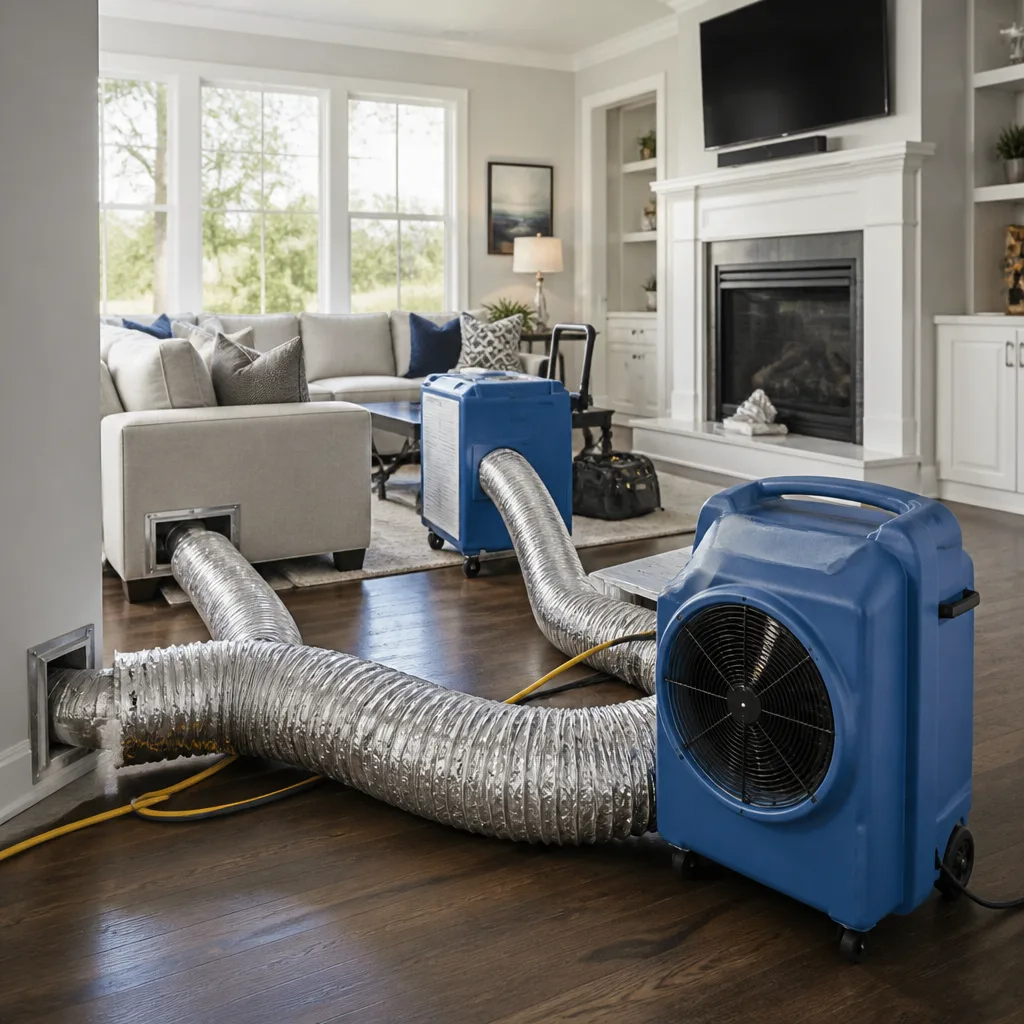 Whole-home duct cleaning
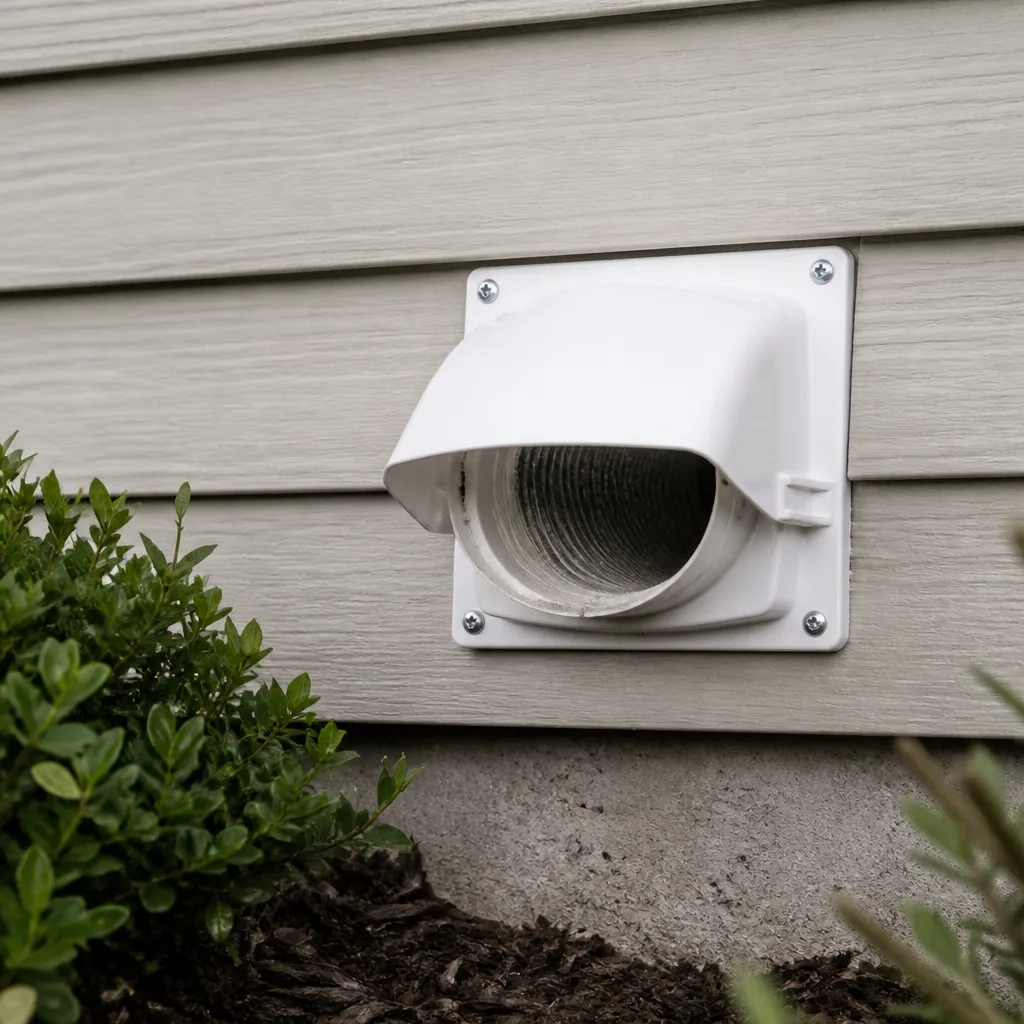 Dryer vent cleaning
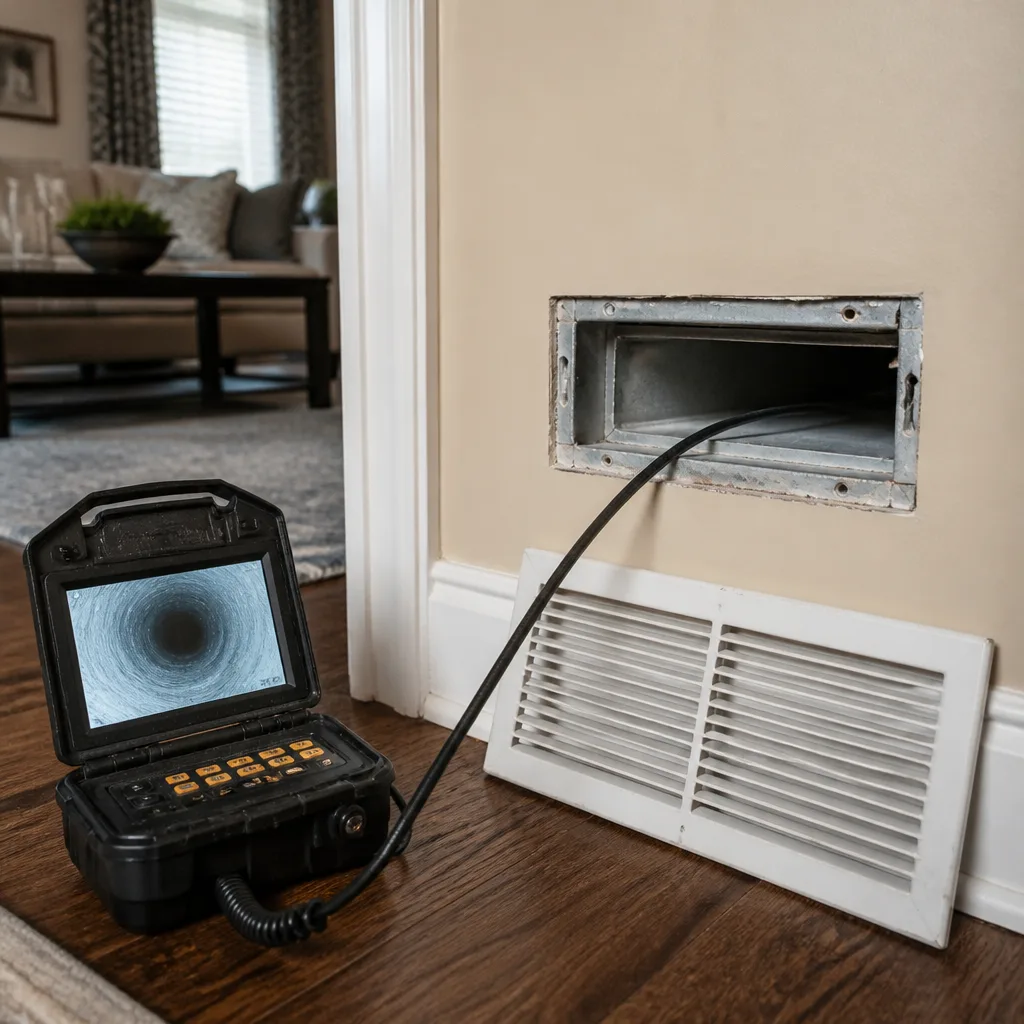 Camera inspection
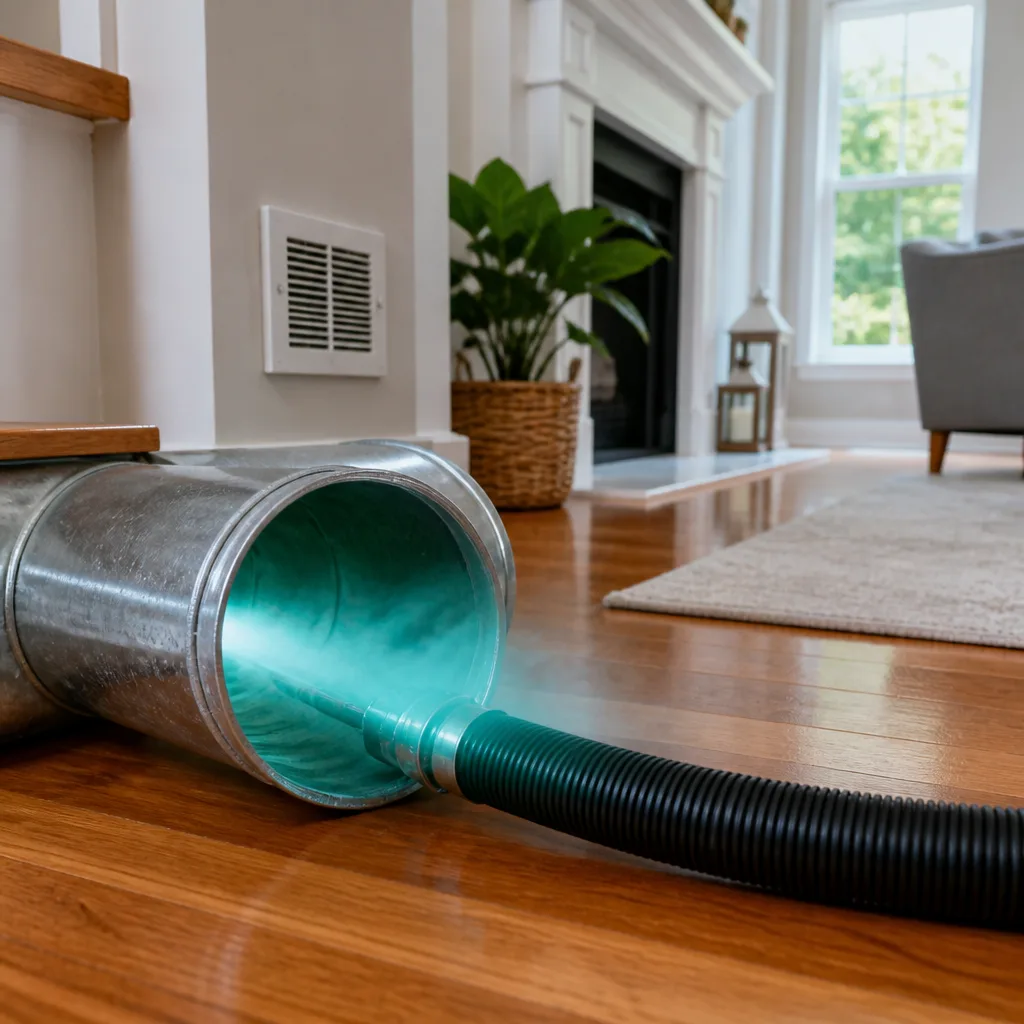 Sanitizing & deodorizing
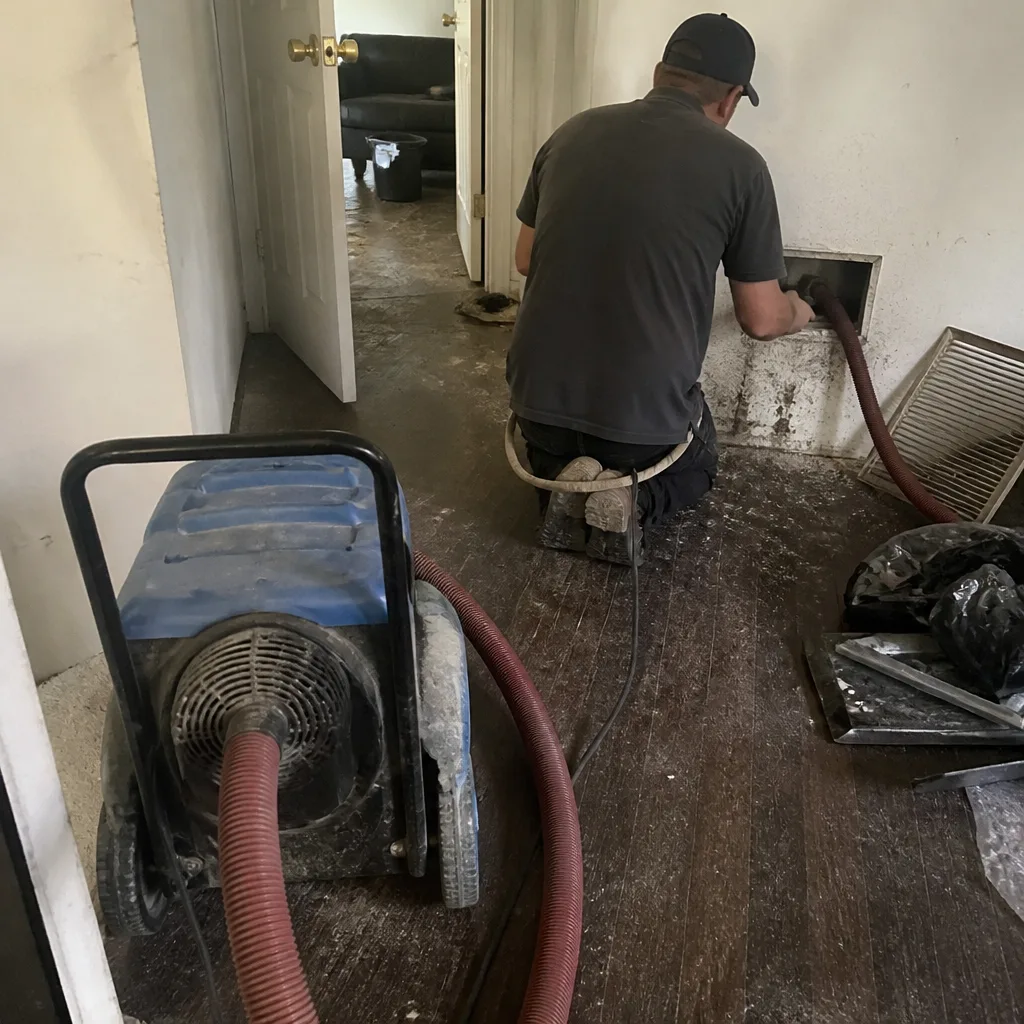
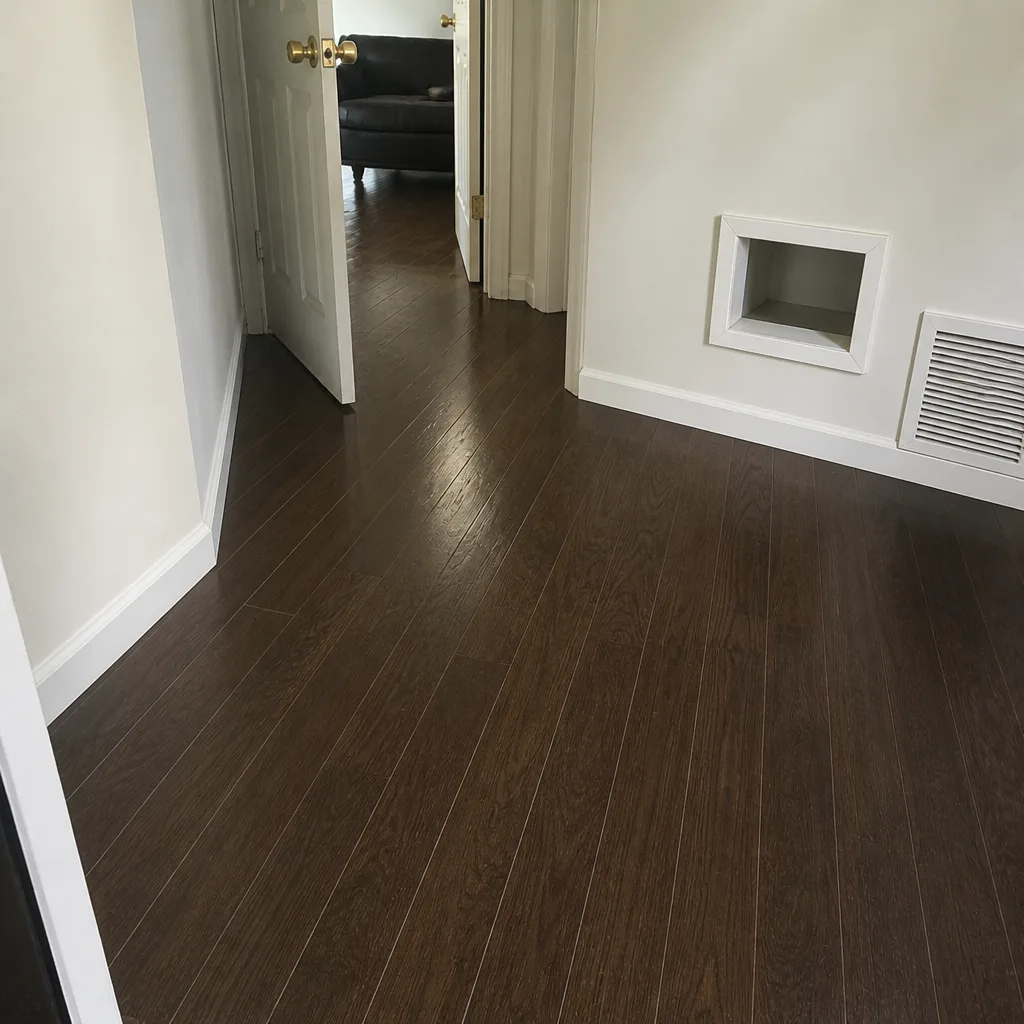
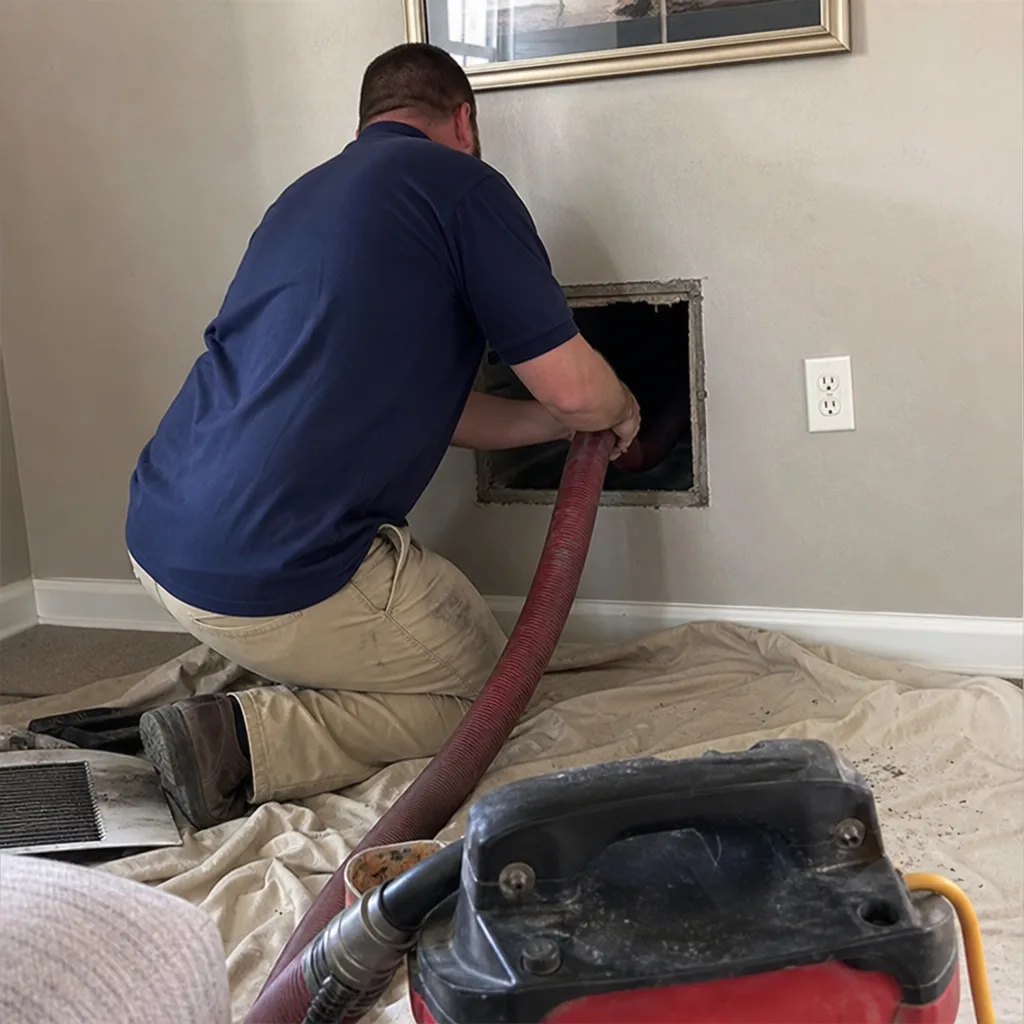
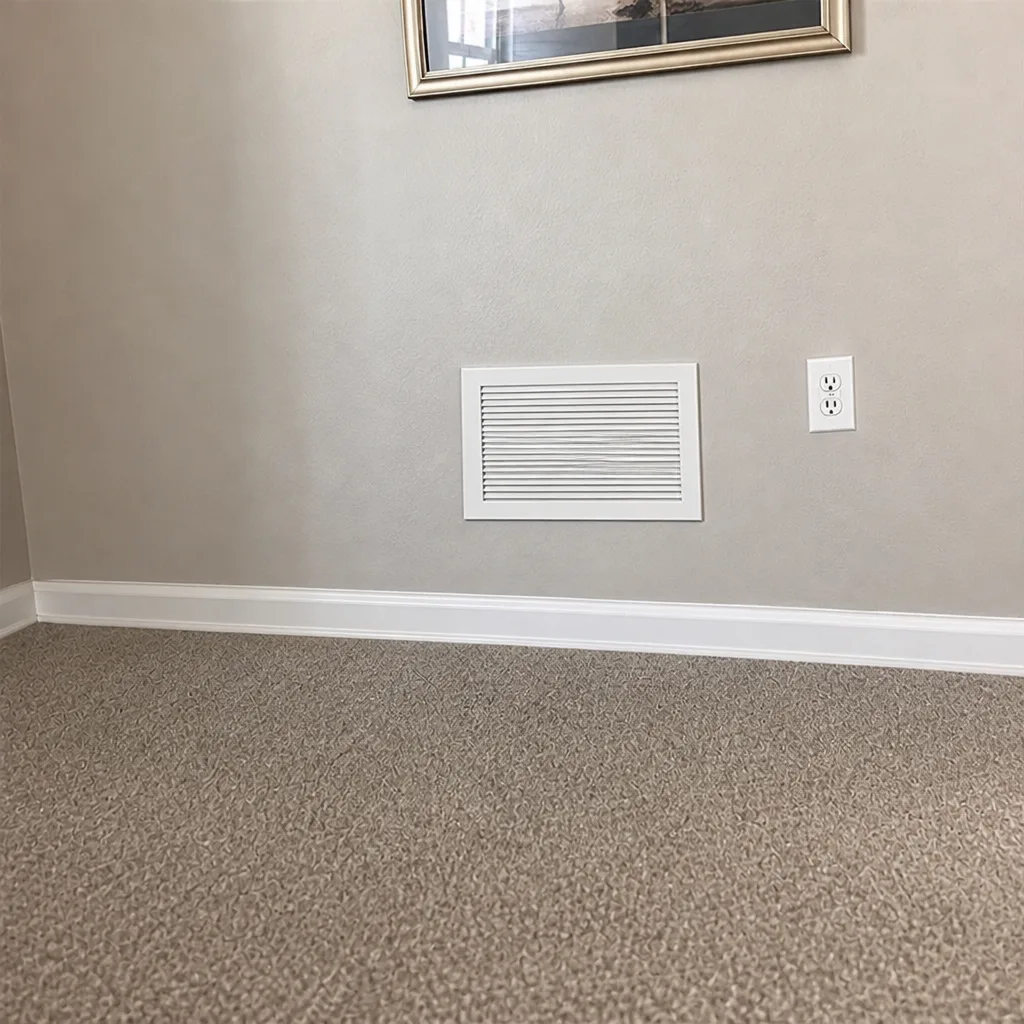
Whole-system duct and dryer vent check with before-and-after photos - you see exactly what came out of your vents
That "$99 whole-house special" is a bait ad - the real number appears once they are in your hallway, or the "clean" is a shop-vac at the register. We photograph the inside of your ducts before and after instead.
Seasonal Air Duct Cleaning Care for Tallahassee: Year-Round Homeowner’s Guide
Most duct cleaning advice you’ll find online was written for a house that spends half the year under snow. Tallahassee doesn’t work that way. Here, the air handler runs through a long cooling season and only takes a real break in the brief cool stretch of winter, which means debris collects on an entirely different timetable than the national fall-cleaning advice assumes. The single biggest event in your duct’s year isn’t autumn at all. It’s the spring pollen surge, when oak and pine release so much fine particulate that return air plenums load up in a matter of weeks. A cleaning scheduled for late fall misses that peak by six months. This guide maps duct care to what actually happens in Tallahassee, month by month, so your system gets attention when it needs it, not when a generic calendar says so.
Quick Answer
In Tallahassee, the most useful time to clean air ducts is late spring to early summer, right after the oak and pine pollen season peaks and before the heaviest humidity sets in, rather than in the fall as most national guides suggest. Year-round, the schedule should be driven by filter behavior and humidity readings, not a fixed date. A system that cools for most of the year accumulates debris faster than northern homes, so an inspection roughly once a year, timed to the local seasons, keeps the duct system working the way it was built to.
Styles & brands we work with
- Whole-home duct cleaning
- Dryer vent cleaning
- Camera inspection
- Sanitizing & deodorizing
Table of Contents
- Tallahassee’s Seasonal Contamination Calendar
- Why Post-Pollen Cleaning Beats a Fall Schedule
- Reading Your Filter as a Leading Indicator
- Humidity and Mold Growth Between Cleanings
- What to Inspect Before and After Storm Season
- Duct Repair as Part of the Seasonal Routine
- Dryer Vent Cleaning and the Seasonal Cycle
- Common Mistakes to Avoid
- When to Call a Professional
Tallahassee’s Seasonal Contamination Calendar
Duct contamination in Tallahassee follows a rhythm set by local biology, weather, and how people actually live in their homes here. If you plot the major sources of debris against the calendar, a clear pattern emerges, and it looks nothing like the national “clean in fall” default.
Here’s how the year breaks down in a Tallahassee duct system:
- Late winter into spring (roughly February through April): Pollen season. Oak and pine are the heavy lifters, and the fine, sticky particulate they release finds its way into return air plenums, filter housings, and the first few feet of the return duct. This is the single largest contamination event of the year.
- Late spring to early summer (May through June): The clearing window. Pollen load is still in the system but the air is drying out and humidity hasn’t peaked. This is the ideal slot for a full cleaning.
- Summer (July through September): Heat and humidity. The air handler runs almost constantly, so any remaining debris gets recirculated more. Interior duct conditions stay damp enough that liner surfaces can support mold if they aren’t dry.
- Storm season (June through November, peaking late summer): The moisture-risk window. Heavy rain and wind expose the envelope to intrusion that can reach ducts through the air handler or disconnected joints.
- Fall (October through November): Construction and renovation season for many households, which kicks up drywall dust and sawdust that the return air pulls in. Holiday occupancy also raises the particulate load from cooking and more people in the house.
- Winter (December through January): The quiet stretch. Cool, dry, and low pollen. A good time to repair anything the summer or fall exposed.
You can see why a single annual date doesn’t fit. The high-load periods are spring and fall, with the biggest event being spring pollen. In our experience working Tallahassee homes, a cleaning timed just after that pollen peak removes the year’s heaviest accumulation before the humid months can turn it into something worse. For more on the mechanics of a full air duct cleaning, the process itself explains why timing matters.
Why Post-Pollen Cleaning Beats a Fall Schedule
A fall cleaning schedule was built for cold climates where the heating season is the heavy-use period and the furnace is the thing loading up the ducts. Tallahassee runs a cooling-dominant system. Your air handler works hardest from May through October, not November through March. That single fact flips the calendar.
Here’s the reasoning, step by step:
- The pollen peak is the contamination peak. Oak and pine pollen release in late winter and spring, and that material is what loads the return side. Cleaning in fall means the pollen has already sat in your system through the entire humid summer.
- Moisture turns debris into a substrate. Dust and pollen that stay dry are mostly a nuisance. Add Tallahassee’s summer humidity and they become a food source for mold inside duct liners and on damp surfaces. Removing the pollen in late spring removes that substrate before the wettest months.
- Summer is when the system recirculates most. A cleaned duct in June means the air pushed through the house in July and August is moving through a cleaner system. A fall cleaning only helps from November onward.
- You want to head into storm season clean. If moisture does get into the system during summer storms, it’s easier to spot and deal with on a clean surface than on one already coated in organic debris.
This is why we don’t default to the national script. Tallahassee homeowners get more from a late spring cleaning than a fall one, and it’s not close. The May-through-June window is the functional sweet spot for this climate. If you also have concerns about lint and fire risk elsewhere in the house, pairing the timing with dryer vent cleaning in the same visit keeps the whole picture current.
Reading Your Filter as a Leading Indicator
A fixed calendar is a guess. Your filter is a measurement. Instead of deciding to inspect your ducts because a certain month arrived, watch how your filters behave and let the pattern tell you when the system is loading up.
The principle is simple. A filter that used to last three months and now looks gray and matted in six weeks is telling you something upstream is shedding more particulate. That could be pollen season, a renovation, a developing duct leak pulling in attic or wall-cavity dust, or simply that the return side of the system has accumulated enough debris to keep loading the filter faster.
Here’s how to use filters as a timing signal:
- Track the interval. Note how long each filter lasts. A shortening interval during and just after pollen season is expected. An interval that stays short in the quiet winter months is a flag worth investigating.
- Look at the color and texture. Even, light gray dust is normal. Dark, clumped, or damp-looking filter media points to contamination or moisture that a cleaning would address.
- Check the filter slot and return grille. A clean grille with a dirty filter is normal. Dust caked around the grille frame, or visible debris in the return plenum when you pull the filter, is a sign the duct side needs attention.
- Note the timing relative to events. If you renovated, had a roof repair, or noticed more dust after storm season, that change in filter behavior is a reason to schedule an inspection rather than wait for a date.
We use professional equipment on every job, and filter housings and return plenums are a big part of what that equipment reaches and a shop vac cannot. Reading your filters well means you call for a cleaning when the system actually needs it, which in Tallahassee is more often than the national advice would have you believe.
Humidity and Mold Growth Between Cleanings
Tallahassee’s humidity is the quiet variable in duct health. A duct system that stays dry between cleanings behaves well. A system that stays damp can grow mold on interior liner surfaces regardless of how clean it was when the job finished. That means humidity control and dehumidifier care are part of duct care, not a separate topic.
Where moisture comes from inside a duct system:
- The air handler itself. A cooling coil that stays wet, a clogged condensate drain line, or a pan that doesn’t empty properly keeps the surrounding air saturated.
- Rising indoor humidity. A cooling system that runs less in mild weeks, or a house with inadequate ventilation, can push indoor relative humidity up even when the air is running.
- Duct liner materials. Some interior linings and insulation facings hold moisture more than others. Once damp, they take a long time to dry and can support mold.
- Envelope leaks. Humidity that enters through gaps around the air handler, returns, or ducts it shouldn’t be in.
The practical side is about keeping the system dry. Keep the condensate drain clear, check the drain pan, and watch your indoor humidity. If you run a whole-house dehumidifier or a ducted humidity control setup, keep it serviced and know whether it’s actually pulling moisture or just running. We work with Honeywell and Aprilaire systems, and understanding how these integrate with your duct setup is part of reading the whole air picture. If you suspect mold in the duct system, that’s a situation for a trained professional, not a household task, and the right response is a proper containment-and-removal approach using equipment built for it, not a spray. Call us to talk through what you’re seeing.
What to Inspect Before and After Storm Season
Tallahassee’s storm season runs from late spring through fall, with the heaviest activity in late summer. The point of a pre- and post-season check isn’t to predict damage. It’s to catch moisture intrusion into the duct system before it becomes a mold problem you can’t see.
What to check before storm season:
- Look at the air handler location. If it’s in an attic or garage, check for signs of past water entry on the platform, the surrounding framing, and the insulation. Water stains are a reason to look further.
- Check accessible duct connections. Look for separated joints, sagging flexible duct, and any place where a connection looks loose. Those gaps are where humid outdoor air and, eventually, rainwater can reach the system.
- Confirm the return side is sealed. An unsealed return plenum in an attic pulls whatever is in the attic air, moisture included, straight into the system.
- Test your humidity readings. Note indoor relative humidity now so you have a baseline to compare against after the season.
What to check after storm season:
- Water stains or damp spots near the air handler or on any duct surface you can see.
- A musty smell when the system first starts, or persistent dampness in the air, which can point to moisture held in the duct system.
- Separated joints that weren’t there before, or ducts that have shifted.
- Humidity that runs higher than your pre-season baseline without a weather explanation.
We use Abatement Technologies equipment specifically because containment and proper extraction of contaminants matter when moisture has been involved. If you’re near the older neighborhoods, Tallahassee homes of every age benefit from this check, and a documented before-and-after record of what’s in the ducts gives you a real answer instead of a suspicion.
Duct Repair as Part of the Seasonal Routine
Cleaning a duct system that leaks is only half a job. A system with separated joints, torn flexible duct, or poorly sealed connections pulls unconditioned, unfiltered air in from wherever it runs, which in Tallahassee often means humid attic air. That air brings particulates, moisture, and pollen directly into the supply side, undoing a cleaning faster than you’d expect.
Duct repair isn’t an add-on we tack onto a cleaning. It’s part of what a complete job considers. When we inspect and clean, we’re looking for the leaks and disconnected sections that let the system draw in dust and damp air. If you have a stretch of flex duct hanging loose in the attic, that’s a repair that protects the cleaning you just paid for.
Signs your Tallahassee ducts may need repair:
- Rooms that never seem to get the same airflow or temperature as the rest of the house.
- Higher indoor dust levels after a filter change.
- Visible condensation or dampness on duct surfaces.
- Musty smells that return between cleanings.
- A return that pulls noticeable dust from around a grille frame rather than through the filter.
A good rule is to inspect for repair needs during the same visit that you schedule for cleaning, so the timing lines up with the local seasons and you aren’t paying for two separate trips. If a leak is feeding moist attic air into the system through the summer, you want it found before the humid months, not after.
Dryer Vent Cleaning and the Seasonal Cycle
Dryer vent cleaning belongs in a seasonal duct guide because it shares the same core problem: lint and fibrous material building up in a long, hidden passage where it can’t be seen. When a dryer vent clogs, it reduces airflow and raises the temperature in the vent, which is a real and recognized fire risk. Houses that run high laundry volume, households with pets, and vent runs that are long or full of elbows fill up faster.
A simple seasonal approach to dryer vents in Tallahassee:
- Check at the point of your post-pollen and pre-holiday cleaning. Those are the two natural check-in moments in the local year.
- Watch for longer dry times. A dryer taking more than one cycle to dry a normal load, or clothes that feel damp at the end, is a signal.
- Look at the outside vent flap. If it doesn’t open fully or lint is visible around it, the run needs attention.
- Notice heat and smell. A dryer that feels hot to the touch or a laundry room that smells of heated lint deserves a look sooner rather than later.
This is not a job for a vacuum nozzle pushed into the wall. A proper job clears the full run, and that’s what we do with the same professional equipment we bring to air ducts. If you want a full picture of duct health, dryer vent cleaning handled by the same specialist team during the same seasonal visit is a cleaner way to stay current.
Common Mistakes to Avoid
- Cleaning on the national fall schedule. The advice written for cold-climate homes doesn’t match Tallahassee’s cooling-dominant year. You’ll clean after the year’s heaviest pollen load has already sat in the system through the humid months.
- Treating a low coupon price as a full job. A bargain cleaning that only reaches the grilles leaves the plenum and the length of the ducts untouched. Ask what equipment the crew uses and whether it reaches the whole system.
- Ignoring filter behavior. If your filters are matting up faster than they used to, that’s data. Dismissing it and waiting for a calendar date means you clean too late.
- Letting a leak stay. A disconnected duct in a humid attic pulls damp, dusty air into the system every time the air handler runs. Cleaning without repairing the leak is a temporary fix.
- Skipping humidity control between cleanings. If your dehumidifier or humidity setup isn’t maintained, duct liner surfaces stay damp and support mold growth regardless of how fresh the cleaning is.
- Not documenting storm season. Without a baseline humidity reading and a look at the air handler and connections, you have no way to know whether a summer storm introduced moisture.
- Forgetting the dryer vent. It’s part of the same duct-health picture and it’s the one with the most direct safety consequence. Cleaning it on a seasonal rhythm is far better than waiting for a problem.
See the difference
 Before
 After
 Before
 After
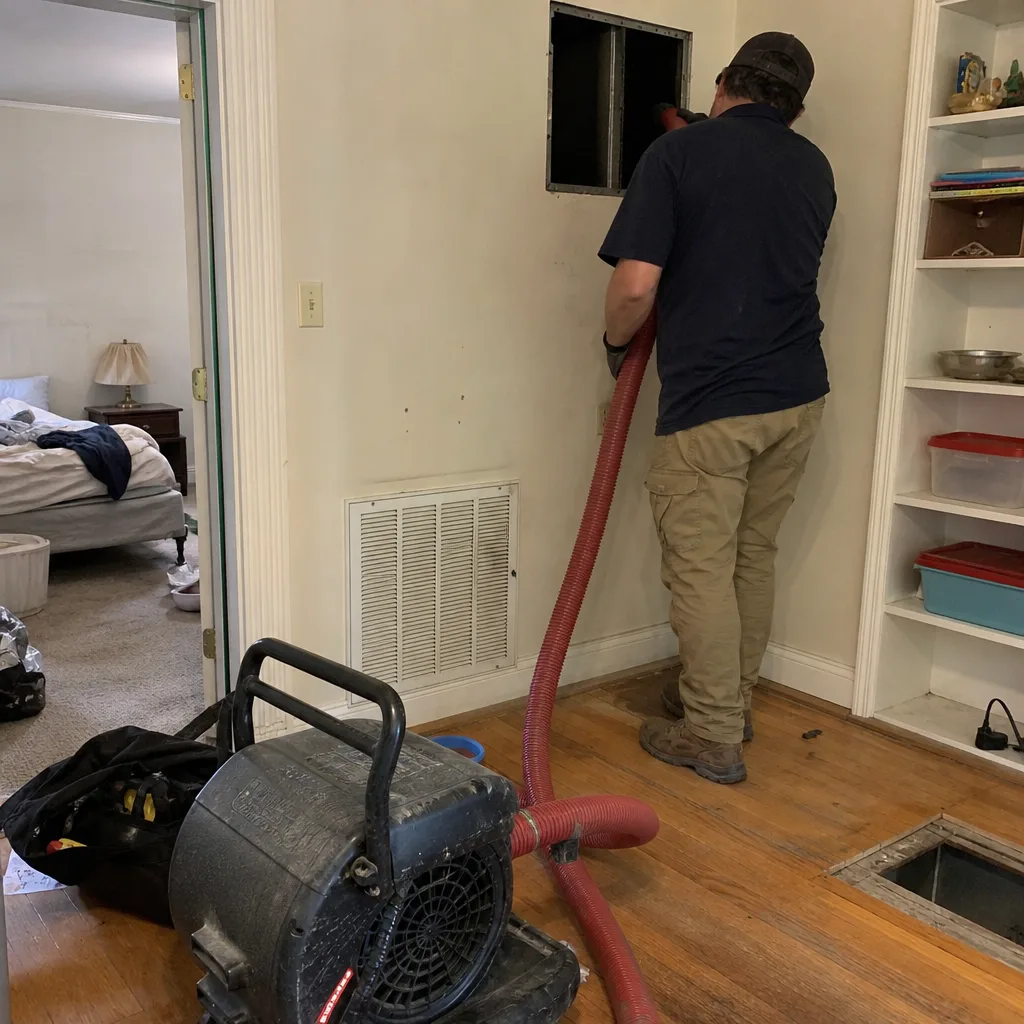 Before
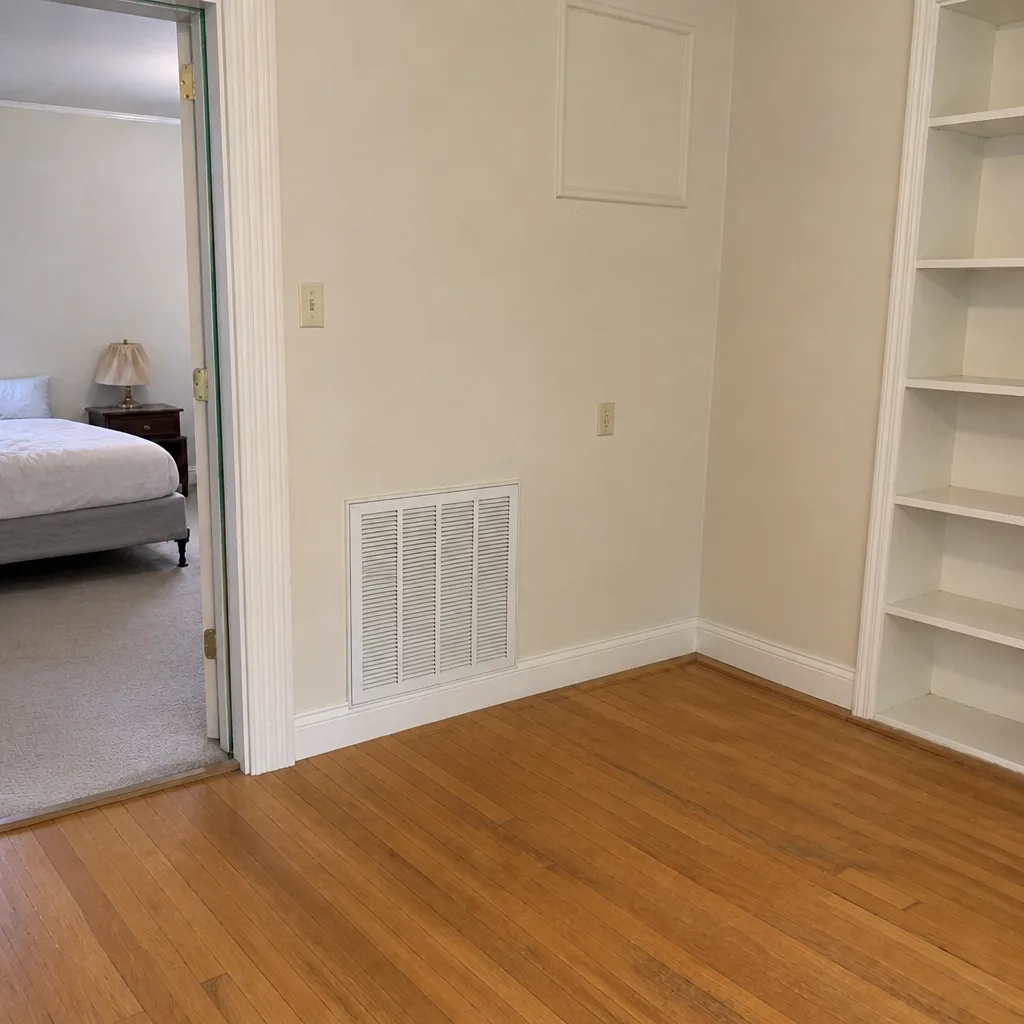 After
When to Call a Professional
Many seasonal checks are things a homeowner can do: watch the filter, note the humidity, look at connections you can safely see. Calling a professional becomes the right move in specific situations. If you’ve just come through pollen season and your filters are clogging faster than they used to, that’s a reason for a cleaning. If you suspect mold in the duct system, that’s a job for proper containment and removal, and spray cans won’t solve it. If storm season left dampness, water stains, or a musty smell, get it inspected. If your system has visible loose or separated ducts, that’s repair territory. And if your dryer vent hasn’t been cleared in a while, or dry times are stretching out, schedule it.
Hillcrest Air Duct Cleaning offers free estimates in Tallahassee. Our technicians have up to 9 years of experience, and we work with professional gear built for this job, not consumer tools. Call (888) 721-9610 to set up an inspection or estimate.
Frequently Asked Questions
Most Tallahassee homes do best with a full duct cleaning about once a year, timed to late spring or early summer after the oak and pine pollen peak. Homes with pets, allergies, recent renovations, or heavy year-round air use may need more frequent attention. Let filter behavior guide you rather than a fixed date.
Late spring to early summer is the better window in Tallahassee because it removes the season’s heaviest pollen load before the humid months set in. A fall schedule follows cold-climate advice that doesn’t match a cooling-dominant system. Cleaning in May or June means your ducts stay cleaner through the hottest, most humid part of the year.
Yes, and the easiest signal is your filter. A filter that used to last a full interval and now mattes up faster is telling you the system is loading up. Dust around the return grille frame, visible debris in the plenum, and a musty smell when the system starts are other early signs. Call (888) 721-9610 for a free estimate if you’re seeing these.
Storm season is the moisture-risk window, when wind and heavy rain can find leaks in the envelope or around the air handler and push humid air into the duct system. A pre- and post-season look at the air handler, connections, and indoor humidity catches intrusion before it becomes a mold problem. If you notice dampness or a musty smell after a storm, have it inspected.
Yes. As long as duct surfaces stay dry, mold growth is far less likely. When humidity is high and the air handler or dehumidifier isn’t keeping up, liner materials can stay damp and support mold. Keeping the condensate drain clear and your humidity control serviced is the practical way to protect your ducts between cleanings.
Yes. Dryer vent buildup is a leading cause of house fires, and a clogged vent is a hidden problem much like a dirty duct. Checking the vent around your post-pollen and pre-holiday cleaning moments, watching for longer dry times, and looking at the outside flap keeps your home safe. A specialist can clear the full run.
The Bottom Line
Duct care in Tallahassee isn’t a fall chore. The year revolves around the spring pollen surge, the long cooling season, and the humid and storm-heavy months that follow. Cleaning in late spring removes the heaviest load before it has a chance to grow. Reading your filters and humidity keeps the schedule honest. Checking the system before and after storm season catches moisture intrusion. And repairing leaks is part of what a complete job looks like, not an add-on. We do this work with purpose-built equipment and a specialist’s focus, and we’ll give you a written estimate with a flat price per system before anything starts. Call (888) 721-9610 for a free estimate and get your duct schedule matched to Tallahassee’s actual year.
Meet Hillcrest Air Duct Cleaning
We connect Tallahassee homeowners with independent local professionals who handle Hillcrest Air Duct Cleaning as a specialty: air duct cleaning, air duct repair, and dryer vent cleaning, and nothing outside that scope. Because our focus is narrow, the equipment is matched to the work. We use Rotobrush and Nikro systems built for reaching the full run of the duct, and Abatement Technologies tools that provide genuine containment and extraction of contaminants rather than moving dust around the room. We work with Honeywell and Aprilaire air-quality systems, so we understand your whole air setup, not just the ducts. Every job is quoted as one flat price per system agreed before work starts, and we document what we find and what we remove with before-and-after photos of your own ducts. The difference between a thorough cleaning and a superficial one is the equipment, and that’s what you’re paying for.
Call (888) 721-9610 for a free estimate. We answer 24/7. Fast dispatch, 7am-7pm, Sunday through Friday.
Written by the team at Hillcrest Air Duct Cleaning.