
Last updated November 16, 2026
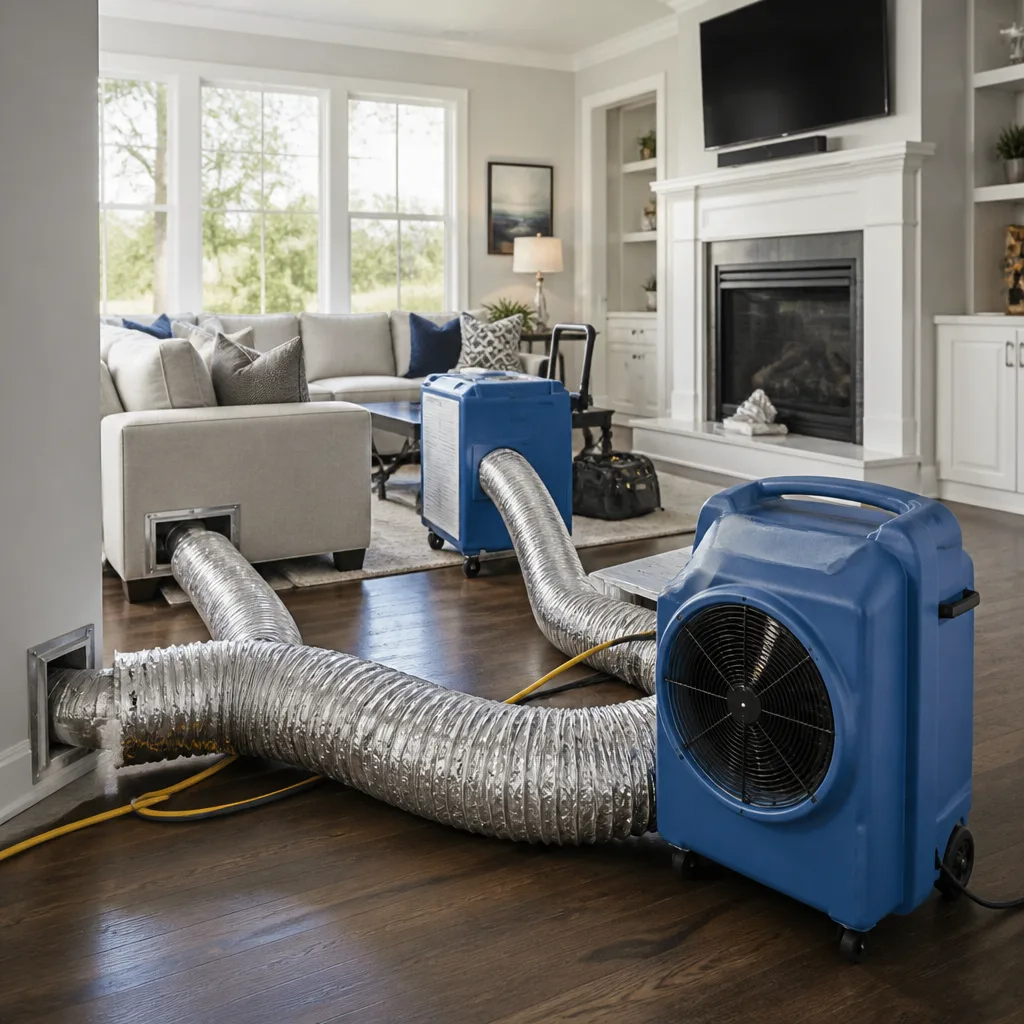 Whole-home duct cleaning
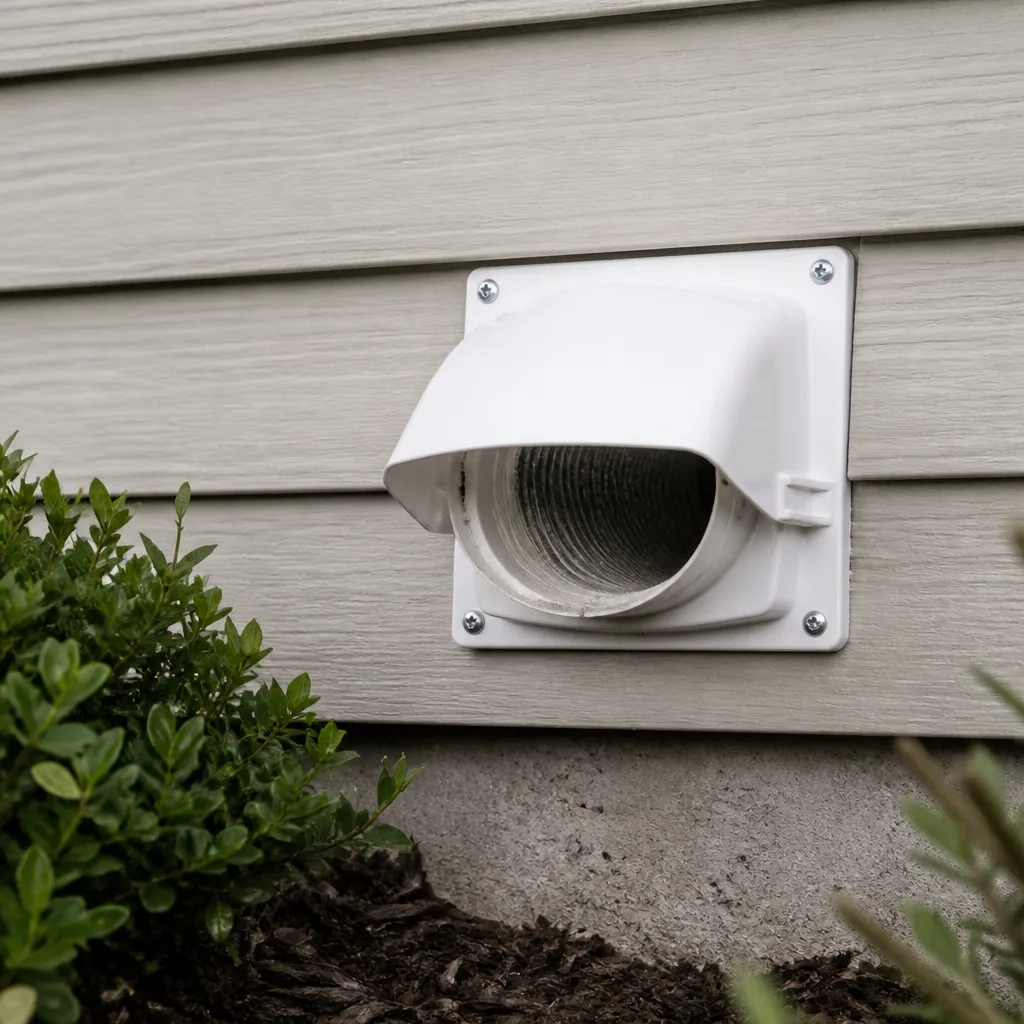 Dryer vent cleaning
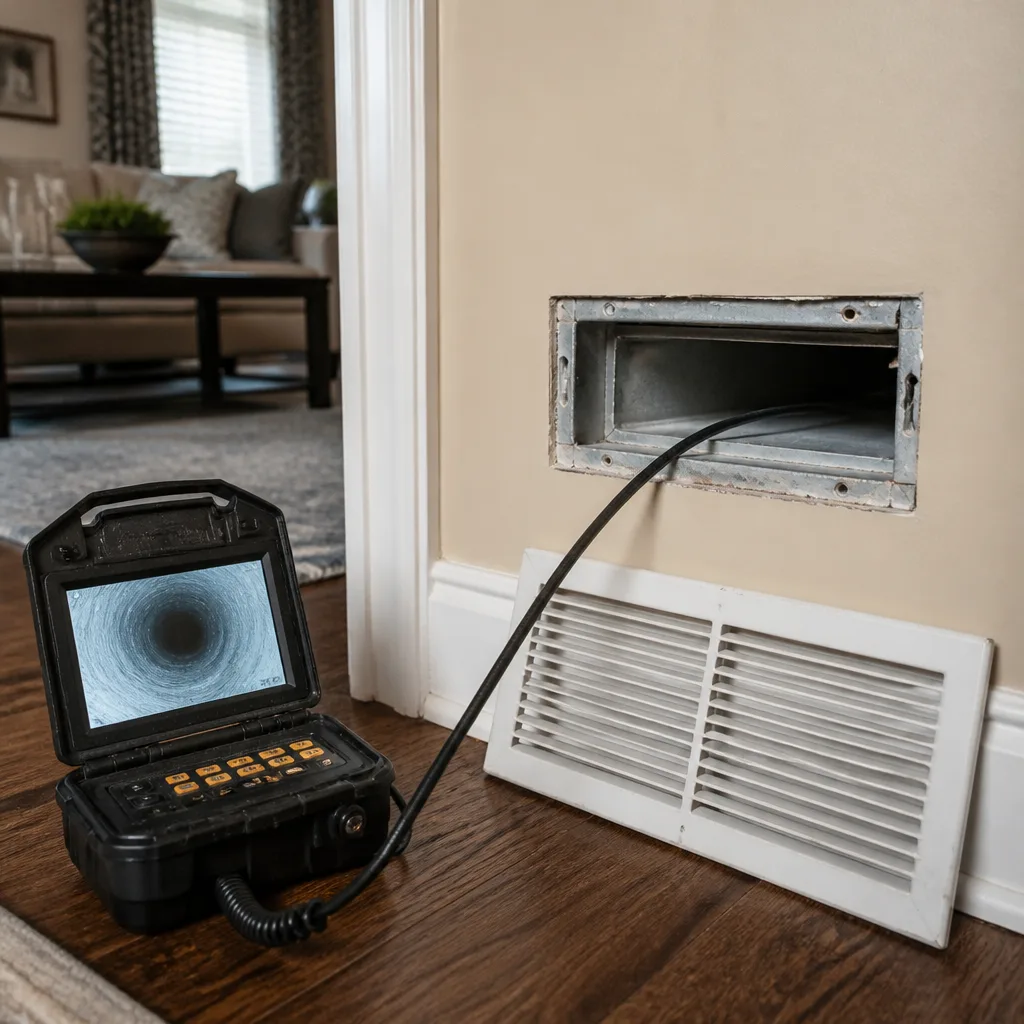 Camera inspection
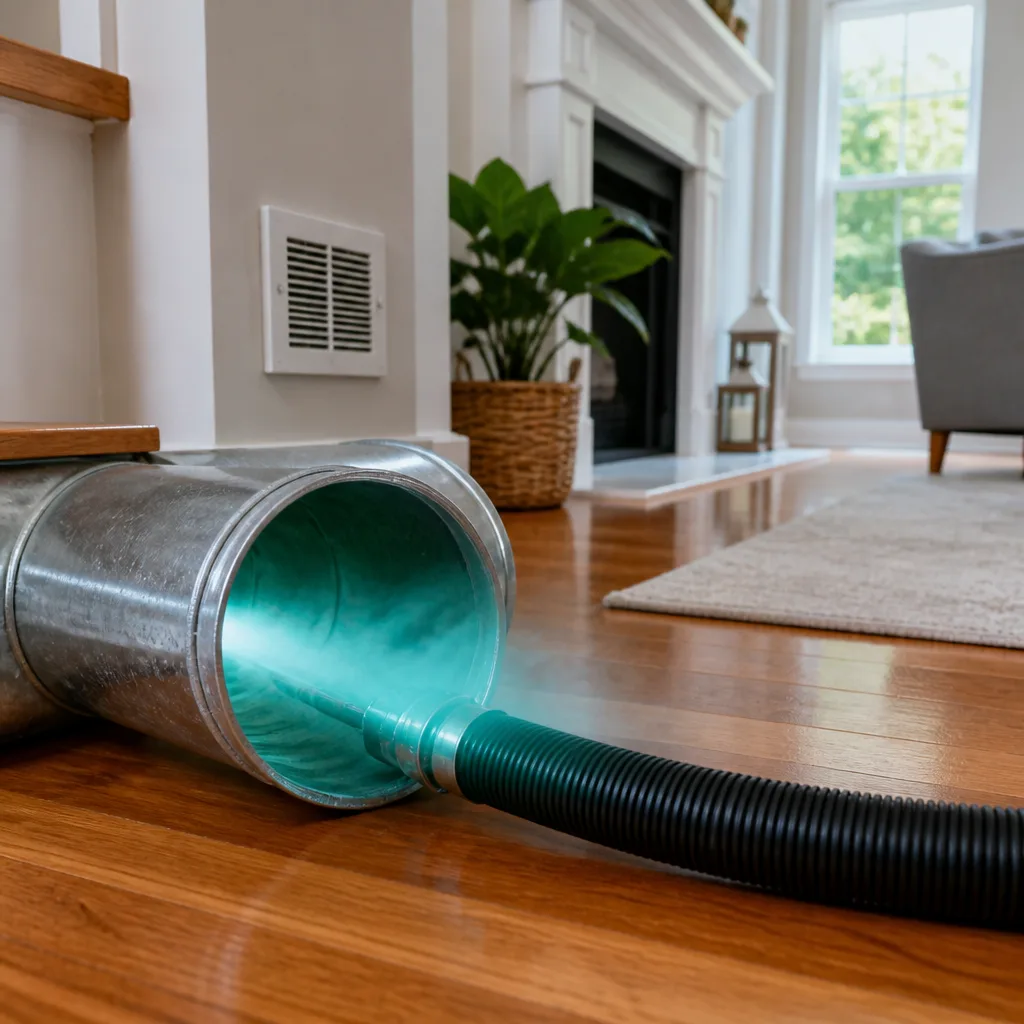 Sanitizing & deodorizing
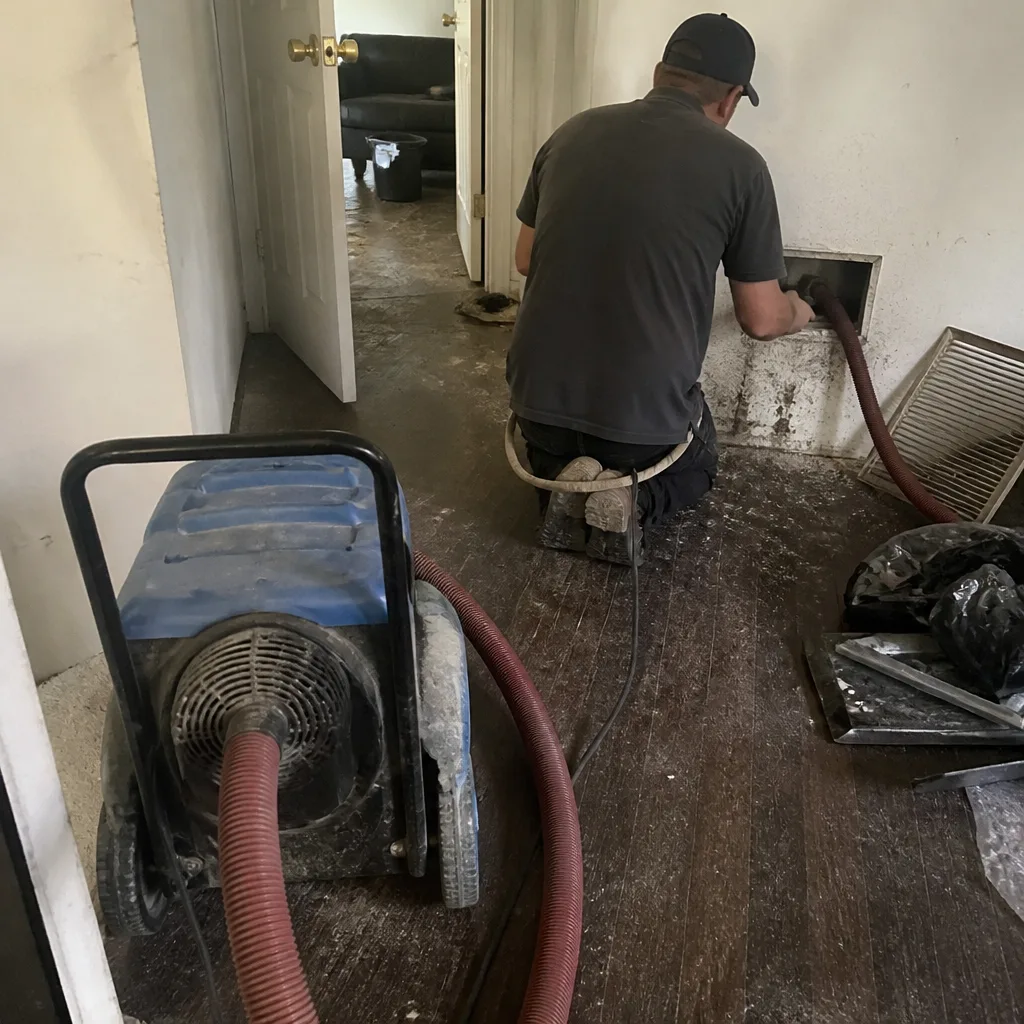
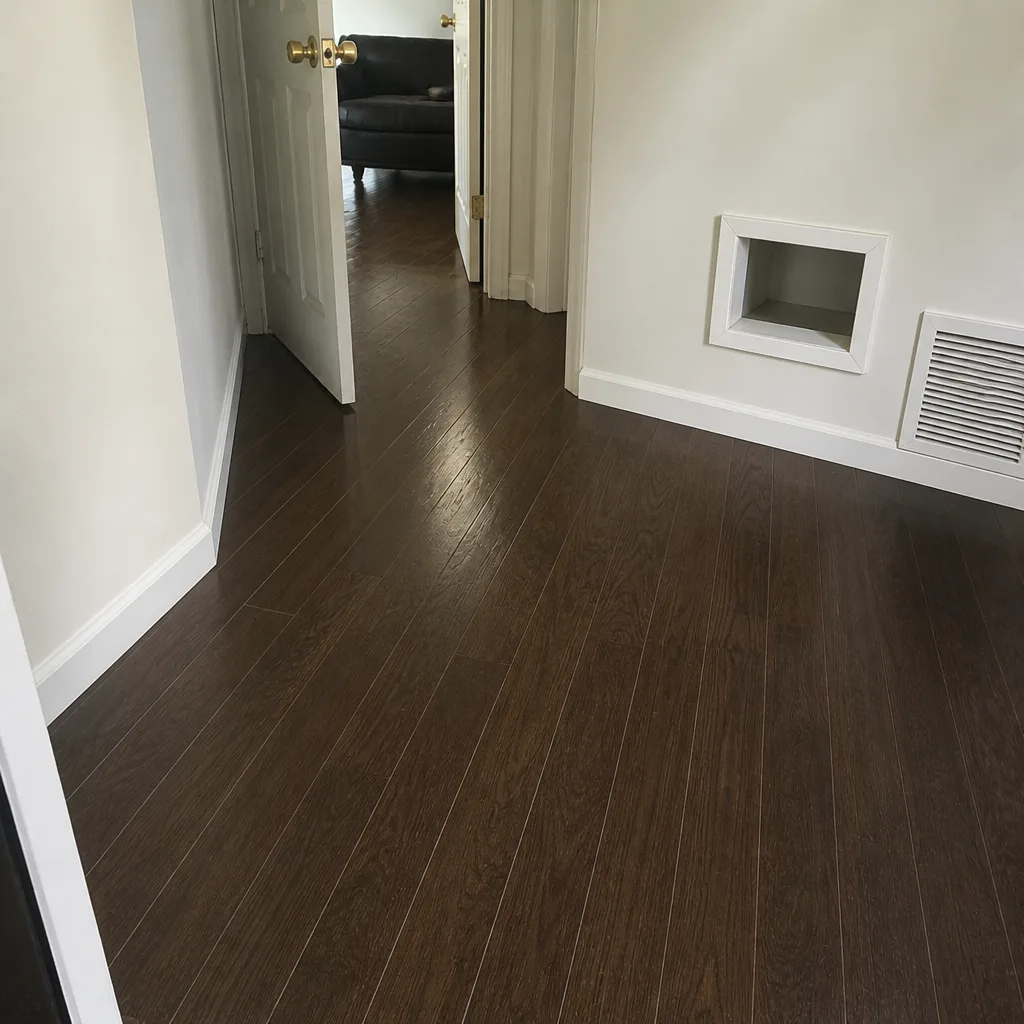
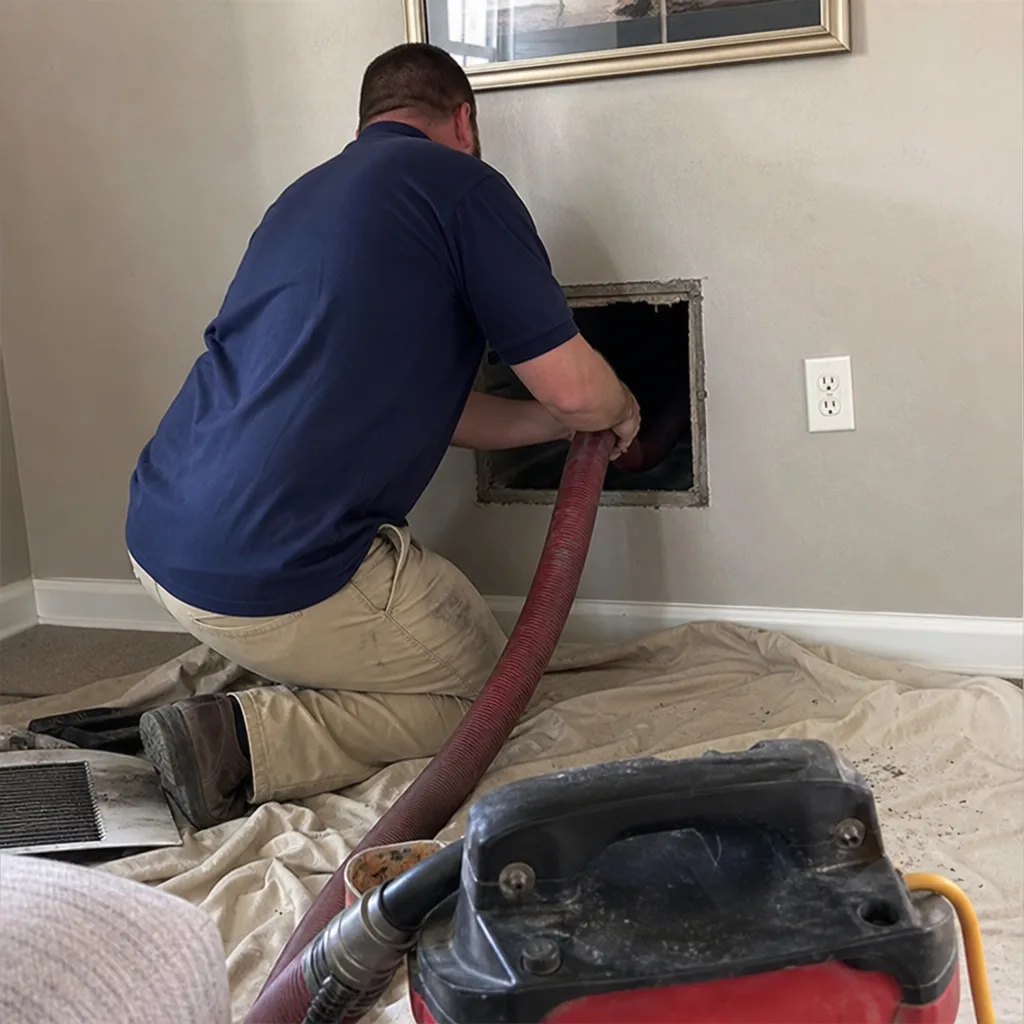
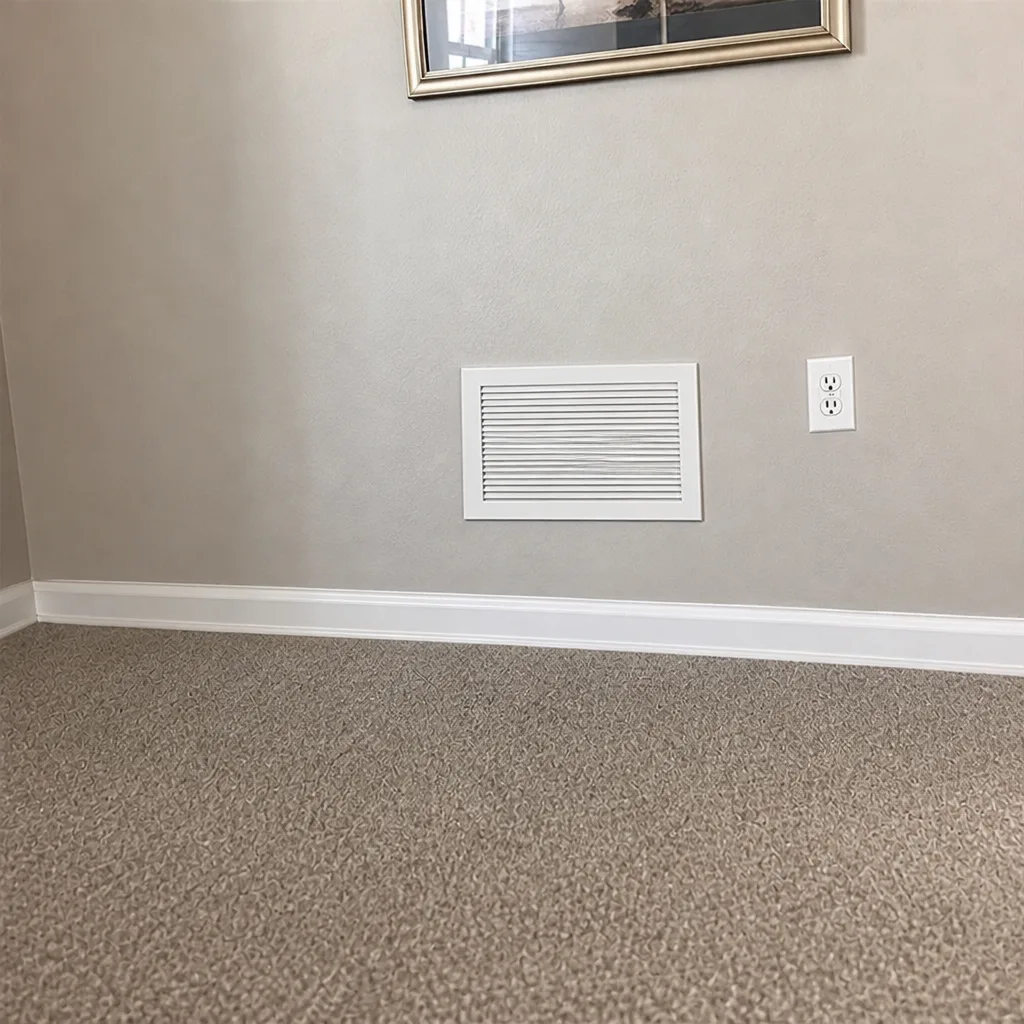
Whole-system duct and dryer vent check with before-and-after photos - you see exactly what came out of your vents
That "$99 whole-house special" is a bait ad - the real number appears once they are in your hallway, or the "clean" is a shop-vac at the register. We photograph the inside of your ducts before and after instead.
Air Duct Cleaning Permits, Codes & Inspections in Tallahassee, FL: What You Need to Know
Most homeowners assume the only question about a duct cleaning is whether the crew does good work. There’s a second question sitting underneath it, and almost nobody asks it until something goes wrong: who is legally allowed to touch the duct system once the cleaning involves more than cleaning. Cleaning removes debris. But the moment a contractor reconnects a run of flex duct, seals a joint with mastic, or cuts a new access panel into duct board, they’ve stepped from maintenance into mechanical work, and Florida treats those two things very differently. This guide maps that boundary for Tallahassee homeowners, from the statute that defines mechanical contracting to the Leon County permitting desk to the license lookup you can run yourself in about five minutes.
Quick Answer
Air duct cleaning by itself does not require a permit in Florida, because removing debris is maintenance, not construction. But any modification to the duct system during that cleaning, including reconnecting disconnects, sealing joints with mastic or tape, replacing flex runs, or installing new access panels, can fall under Florida’s mechanical contracting definition and may require a permit through the local building department. A company that performs that repair work should also hold a Class A, B, or C air conditioning license, which you can verify yourself through the Florida DBPR license lookup.
Styles & brands we work with
- Whole-home duct cleaning
- Dryer vent cleaning
- Camera inspection
- Sanitizing & deodorizing
Table of Contents
- Where the Line Sits: Cleaning vs. Mechanical Work
- What Florida Statute 489 Actually Says
- Leon County’s Role in Duct Modifications
- Why Repair Work Needs a Class A, B, or C License
- How to Verify a Contractor Before You Authorize Work
- What to Do if Unlicensed Work Was Already Done
- What an Inspection Actually Covers
- Why Tallahassee’s Climate Makes Duct Integrity Matter More
Where the Line Sits: Cleaning vs. Mechanical Work
The distinction sounds academic until you’re the one signing the check. Cleaning a duct system means extracting accumulated dust, debris, and biological growth from inside components that are already installed and functioning. No new material goes in, no connection changes, no structural cut is made. That’s maintenance, and maintenance doesn’t need a permit.
Mechanical work begins when the system’s configuration changes. A few examples of what that looks like during a job that started as a cleaning:
- A flexible duct run has come loose from its collar and gets reconnected and sealed.
- A section of duct board is cut to install a new access panel for equipment to reach a far branch.
- A crushed or torn flex run is replaced with new duct.
- Joints throughout the trunk line are sealed with mastic to stop leakage.
- A duct run is rerouted because it was installed poorly and is choking airflow.
Here’s where homeowners get caught. In many homes, a technician discovers a disconnected run mid-job. Reconnecting it takes ten minutes and seems obviously helpful. But that reconnect is a mechanical modification to a system governed by the Florida Building Code, and if the contractor isn’t licensed or the job doesn’t get permitted where required, the property owner of record is the one who ends up with an undocumented alteration. We’ve seen this exact sequence play out, which is why we’re careful to describe what a job involves before anyone starts cutting or sealing.
At Hillcrest Air Duct Cleaning, our air duct cleaning is scoped as cleaning, and when we find a duct problem that crosses into repair territory, we tell you plainly what category the work falls into and what it requires. Duct repair isn’t an add-on to us; it’s part of the same job, but it’s a different regulatory animal, and you deserve to know which one you’re buying.
What Florida Statute 489 Actually Says
Florida Statute Chapter 489 governs contracting, including mechanical contracting, which Chapter 489 defines as the business of constructing, altering, repairing, or maintaining HVAC systems and their associated ductwork. The statute carves cleaning and routine maintenance out of the licensed activity, which is why a pure duct cleaning company doesn’t need a mechanical license to run a vacuum and an air whip through your system.
The carve-out stops where alteration and repair start. A quick way to remember it:
- Cleaning and debris removal – maintenance. No permit, no mechanical license requirement for the cleaning activity itself.
- Sealing existing joints and seams – commonly treated as alteration or repair. This is where license and permit questions start.
- Reconnecting a disconnected duct – repair. Falls under mechanical contracting.
- Replacing or rerouting duct runs – alteration. Mechanical contracting, and typically a permit.
- Cutting new openings or access panels into duct board or plenum – alteration. Mechanical contracting, and typically a permit.
Note what the statute does not do. It doesn’t license duct cleaning as its own trade, and it doesn’t create a separate “duct cleaner” license you can look up. That’s part of why verifying a duct company is confusing: you’re not checking a duct cleaning license, you’re checking whether the company that offers repair work holds the mechanical credential that repair work requires. Any company that markets duct repair should be able to point to a Class A, B, or C air conditioning license, and any that can’t is telling you something about how they plan to handle the repair portion of the job.
If you’re comparing providers, the questions in our guide on Hillcrest Air Duct Cleaning are a reasonable starting checklist, but the statute is the one that actually matters when a dispute arises. When in doubt, treat anything that modifies the duct system as licensed work and confirm the credential first.
Leon County’s Role in Duct Modifications
Florida’s building code is state-level, but the permitting authority for a residential duct modification in Tallahassee sits with the local building department, which in Leon County means the county’s building department for unincorporated properties and the City of Tallahassee for properties inside city limits. Either way, the department reviews mechanical permits for system alterations, and its inspectors are the ones who sign off on the work.
In practice, that means a contractor who needs a mechanical permit for a duct repair pulls it from the jurisdiction that covers your address, not from a state office.
- Permit pull – the licensed contractor applies, usually listing the scope of the mechanical alteration.
- Review – the department checks the scope against code requirements for duct sizing, sealing, and materials.
- Inspection – a building inspector examines the work, often with photographs of concealed portions, then signs off.
- Closeout – the permit record closes and stays on file against the property.
Why should a Tallahassee homeowner care about that paper trail? Because it’s the record a future buyer’s inspector will ask about, and it’s the record that protects you if a modification later causes a problem and an insurer wants to know whether the work was permitted. Unpermitted mechanical alterations can complicate a sale, and they can complicate a claim. If a contractor tells you a duct repair is “too small to permit,” ask them to confirm that in writing along with the code basis, then verify with the jurisdiction covering your address.
Leon County has a real mix of housing stock, from older midtown bungalows with original sheet metal ductwork to newer construction on the northeast side with flex systems in the attic. The older the ducts, the more likely a “cleaning” turns up a seam that should have been sealed years ago, which is exactly the scenario where the permit question arrives uninvited in the middle of a job.
Why Repair Work Needs a Class A, B, or C License
Florida splits air conditioning contracting into three license classes, and the class determines the scope a contractor is legally allowed to work within. An understanding of the differences helps you ask the right question.
- Class A – the broadest scope, covering any air conditioning or mechanical system regardless of size or type.
- Class B – limited to systems up to 25 tons, and to certain specified equipment categories.
- Class C – the narrowest class, limited to systems up to 30,000 BTU and defined residential or light-commercial equipment categories.
A duct repair on a typical single-family home will usually fall within Class C or B scope, but that’s a determination the licensed contractor makes. The point for you is simpler: a company offering duct repair should hold at least one of these licenses, and the license should be current and associated with the company name, not just with a subcontractor whose name appears nowhere on the paperwork you were handed.
The professional equipment question runs alongside the licensing question, and the two aren’t the same thing. A company can hold a license and still show up with a repurposed shop vac. When we clean, we use Rotobrush and Nikro systems, purpose-built professional duct equipment, and Abatement Technologies equipment for containment and extraction so dislodged contaminants don’t end up redistributed through the room. The difference between a thorough cleaning and a superficial one is the equipment, and the difference between a covered repair and an exposed liability is the license. You’re hiring both.
How to Verify a Contractor Before You Authorize Work
Verification takes a few minutes and it’s the most useful five minutes you’ll spend before letting anyone touch your duct system. Florida’s Department of Business and Professional Regulation maintains a public license lookup, and it’s the authoritative source, better than any website badge or printed certificate.
- Ask for the license number in writing before the estimate, not on the day of the work. A company that can’t produce it before you commit has told you what you need to know.
- Search the DBPR lookup by the license number, then by the company name, and confirm the status shows as current and active.
- Check the license class against the scope of the work you’re being quoted. A duct cleaning doesn’t require a class; a duct repair does.
- Confirm the license name matches the entity on the estimate and the contract. A mismatch is worth stopping for and asking a direct question.
- Confirm insurance and workers’ compensation coverage on the same record, and ask for a certificate of insurance naming the coverage.
- Ask who pulls the permit if the work crosses into mechanical scope, and confirm in writing that it’s included in how the job is handled.
We’d rather you verify than trust us on reputation, which is why we’ll hand you the information to check before we start. Our technicians have up to 9 years of experience in duct and vent work, and the credential that matters to you is still the license record, not the resume.
For dryer vent work specifically, the same principle applies: the cleaning activity itself isn’t a licensed trade in Florida, but if a contractor starts cutting into the wall or roof penetration to reroute a vent, that’s construction and it changes the picture. If you’re thinking about having a vent looked at, our dryer vent cleaning page describes how that job is scoped.
What to Do if Unlicensed Work Was Already Done
If you’ve discovered that a previous contractor made mechanical modifications during what you thought was a cleaning, don’t panic and don’t start tearing anything out. What you need is a documented record of what exists, and then a licensed path to bring it into compliance.
- Get the job documented. Photograph the duct system, keep the original invoice, and write down the date, the contractor’s name, and the specific work you believe was performed. If you were told the work would be done, note that too.
- Get an independent assessment from a licensed mechanical contractor. They can tell you whether the modification is safe, code-compliant, and whether it needed a permit.
- Report to the DBPR if the contractor was unlicensed or performed work outside their license class. The department’s complaint process handles unlicensed activity, and a documented complaint is what starts it.
- Contact the jurisdiction that would have issued the permit and ask about retroactive permitting or a corrective inspection. Many jurisdictions have a path for legalizing unpermitted work, and it’s usually easier than living with the open record.
- Correct the problem through a licensed contractor. Remediation might mean resealing, reconnecting, or redoing the alteration properly, and it should be documented.
- Keep everything. When you sell the home, the record of a corrected alteration is far better than a question you can’t answer about a duct run nobody can explain.
We won’t do the mechanical correction ourselves when it crosses into licensed scope, and we’ll tell you that clearly. What we will do is clean the system correctly, document what we found, and hand you a straight account of what needs a licensed contractor’s attention.
What an Inspection Actually Covers
A mechanical inspection for a duct alteration is narrower than most people expect. It’s not a general air quality audit, and the inspector isn’t checking whether your ducts are dusty. The inspector is confirming that permitted mechanical work was done according to the code that governed it.
What that typically involves:
- Duct materials and their installation meet code requirements.
- Joints and connections are sealed to the required standard.
- Duct sizing and configuration are appropriate for the system.
- Access panels are correctly installed and sealed.
- Concealed work is documented with photographs before it’s closed in.
What an inspection doesn’t cover: how much dust is in the ducts, whether the system has been cleaned well, or whether the air quality inside your home is good. Those questions belong to a duct cleaning and assessment, not to a building inspector. This is worth saying because homeowners sometimes expect the inspector’s sign-off to double as a cleaning standard, and it doesn’t. Cleaning quality is on the contractor’s process and on yours, when you ask for before-and-after photos of your own ducts and a clear description of the equipment being used.
In Tallahassee, a lot of duct systems sit in unconditioned attic space, where summer heat and humidity put real stress on flex connections and insulation. Inspectors see a lot of attic duct work, and their attention goes to connections and sealing for that reason. If your system lives in the attic, ask the licensed contractor how they plan to document the connections before the job is done, and whether the permit includes the whole scope.
Why Tallahassee’s Climate Makes Duct Integrity Matter More
Tallahassee runs a humid subtropical climate, with long, hot summers and a rainy season that pushes moisture into the air for months at a stretch. That combination makes duct integrity more consequential here than in a dry climate. Leaky joints in an attic-located duct system pull humid attic air into the supply side of the system, and that moisture load shows up as condensation on cold surfaces, sagging insulation, and growth on duct board.
It’s a real world problem, not a theoretical one. When we inspect a system in Tallahassee in the middle of summer, we’re often looking at two issues at once: the dust and debris that prompted the call, and the leakage that let moisture in. The second one is a mechanical issue, and correcting it is licensed work.
That’s part of why we frame cleaning and repair as one continuous picture. A system can be spotless and still leak. A system can be tight and still be full of debris. Addressing both means coordinating the cleaning (our specialty, with Rotobrush and Nikro equipment and Abatement Technologies containment) with any mechanical corrections (a licensed contractor’s job). We work with Honeywell and Aprilaire air-quality systems as part of the same picture, because a filter or humidity control system on the air-handler side and a sealed duct system aren’t separate concerns.
If you’re in the market for a whole-system clean and you’re near the older neighborhoods around midtown or the FSU corridor, expect more duct repair findings than in newer construction. Older systems have had more summers on them. The cleaning is still a cleaning, but the conversation often includes what a licensed contractor should be looking at next.
Common Mistakes to Avoid
- Assuming the cleaning price covers repairs. A cleaning estimate isn’t a repair estimate, and a company that blurs the two on the front end is setting up an on-site price change. Ask clearly what’s included and what triggers a separate scope.
- Letting a contractor start cutting before you’ve verified the license. Once a hole is in duct board, undoing that is more complicated than verifying a credential would have been. Check the DBPR record before the work is authorized, not after.
- Accepting “we don’t need a permit for that” without a written basis. Sometimes it’s true, sometimes it isn’t, and the contractor’s verbal assurance isn’t the authority. Ask for the reasoning, and confirm with the jurisdiction covering your address.
- Hiring a company whose equipment isn’t professional-grade. A repurposed shop vac doesn’t contain what it dislodges, and the equipment question is the one most homeowners skip. Ask what equipment the company uses on every job.
- Skipping the before-and-after photos of your own ducts. Photos of your ducts, not a stock image, are the cheapest accountability tool you have. Ask for them before and after.
- Assuming an inspection double-checks cleaning quality. A mechanical inspector confirms code compliance, not duct cleanliness. Cleaning quality comes down to the contractor’s process and your photos.
- Letting a repair get folded into a cleaning invoice without documentation. If a repair was done, there should be a separate record of it, and if a permit was needed, there should be a permit record attached to your property.
See the difference
 Before
 After
 Before
 After
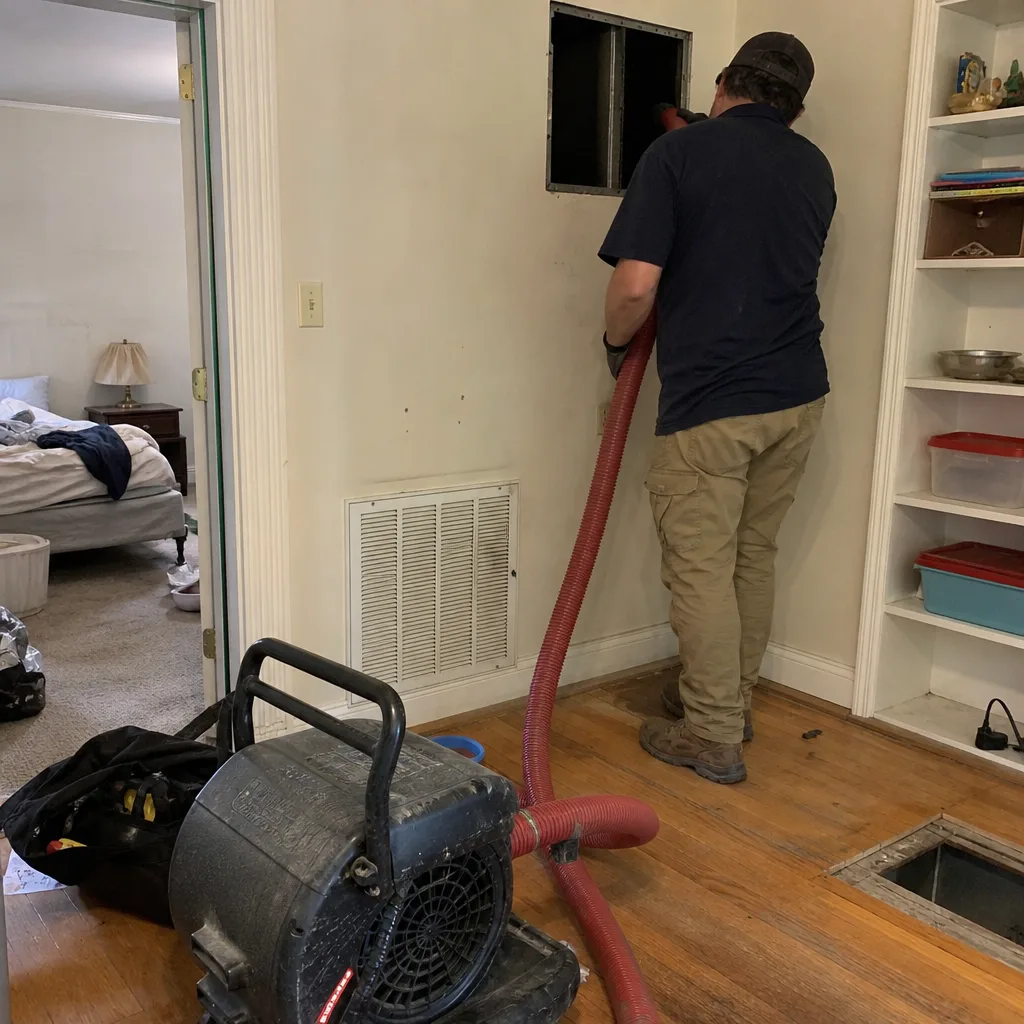 Before
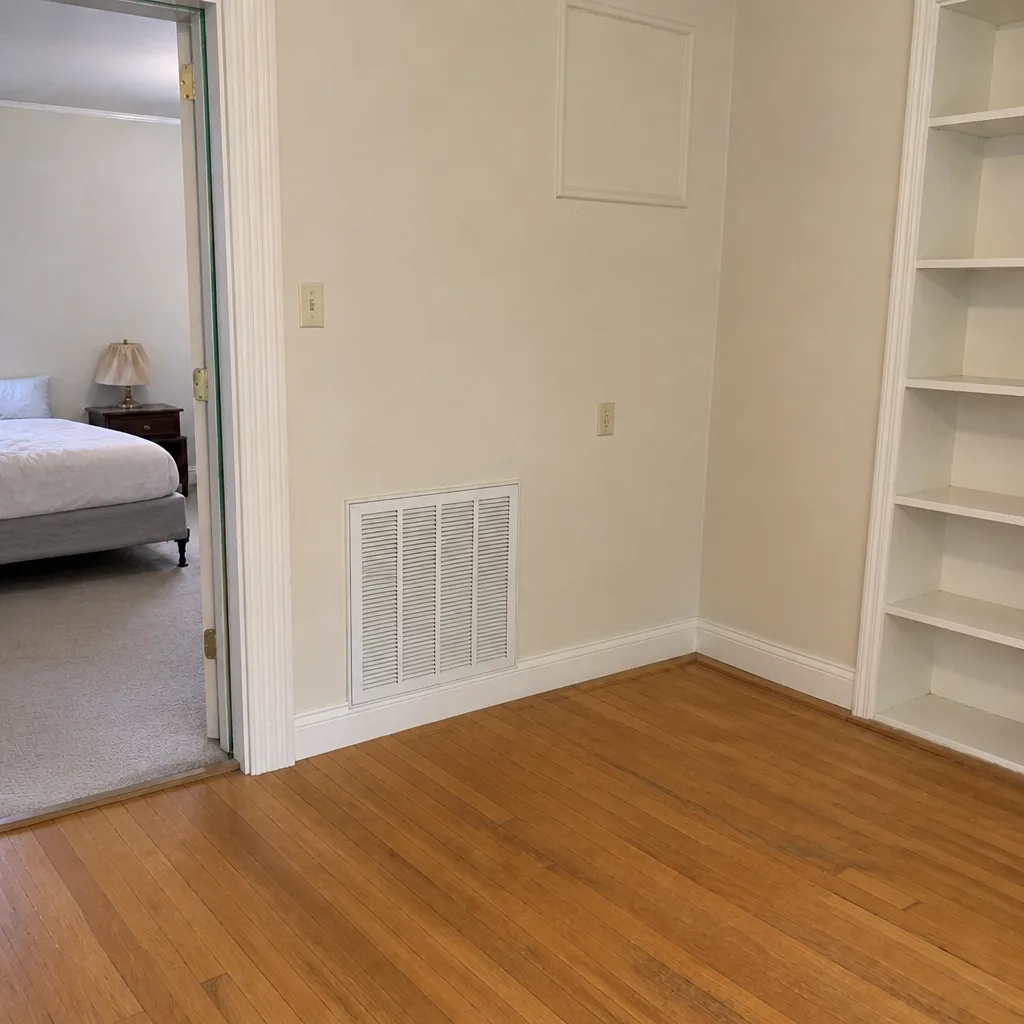 After
When to Call a Professional
A professional is warranted when the duct system’s condition is unclear or when anything about the work crosses into mechanical scope. Symptoms that point that way include uneven airflow between rooms, visible dust streaks at supply registers after a recent cleaning, sagging or disconnected flex runs visible in the attic, moisture or staining on duct board, and a system that’s never been cleaned or assessed. If you’ve just bought a Tallahassee home and the previous owner’s records don’t include the duct work, an assessment is worth doing before the first summer. Hillcrest Air Duct Cleaning offers free estimates in Tallahassee, and we’ll tell you clearly what falls under cleaning, what needs a licensed mechanical contractor, and what to ask before anything gets done. Call (888) 721-9610. We answer 24/7. Fast dispatch from 7am to 7pm, Sunday through Friday.
Frequently Asked Questions
No. Air duct cleaning itself doesn’t require a permit in Florida because it’s treated as maintenance rather than construction. The permit question only arises when the work involves modifying, sealing, replacing, or rerouting duct components. If a contractor is only extracting debris from an existing system, that’s not a permitted activity.
A Class A, B, or C air conditioning license. Florida treats duct modifications as mechanical contracting, and those three license classes are the ones that permit a contractor to work on mechanical systems within their respective scopes. Ask for the license number and verify it on the DBPR public lookup before authorizing work. Call (888) 721-9610 for an exact quote on cleaning, and we’ll be clear about which parts of a job need a licensed contractor.
Document it, get an independent assessment from a licensed mechanical contractor, and report the situation to the DBPR if the contractor was unlicensed or outside their scope. Then contact the jurisdiction that would have issued the permit to ask about retroactive permitting or a corrective inspection. Keeping the paper trail is what protects you if a problem surfaces later.
No. A Leon County mechanical inspection confirms that permitted work complies with the code that governed it, which means materials, sealing, connections, and installation. Dust levels and cleaning quality aren’t part of an inspection. If you want evidence of cleaning quality, ask for before-and-after photos of your own ducts.
Usually because the quote covers less: less equipment, less time, or a scope that doesn’t include the parts of the system that are harder to reach. A low price that becomes a larger invoice once the technician is on site is a bait-and-switch, and the honest way to price the work is a flat price per system agreed before anything starts. Call (888) 721-9610 for a real range on your system, and we’ll put it in writing.
Ask for before-and-after photographs of your own ducts, taken during the job. It’s the most direct form of accountability available, and it’s the standard we hold ourselves to. If a company can’t produce photos, ask what its documentation process is, and decide whether that’s enough for you. Call (888) 721-9610 to set up an estimate and ask about photos and equipment on the call.
The Bottom Line
Duct cleaning itself is maintenance and doesn’t need a permit in Florida. The moment a contractor reseals a joint, reconnects a run, or cuts into duct board, they’re doing mechanical work, which in Tallahassee means checking for a Class A, B, or C air conditioning license and asking who pulls the permit if one is required. Verify through the DBPR lookup before work is authorized, keep the record, and know what an inspection does and doesn’t cover. If unpermitted work turns up, document it and get a licensed contractor involved.
For a duct cleaning in Tallahassee that keeps the cleaning and the repair scopes clearly separated, with professional equipment and a flat price per system agreed before we start, call Hillcrest Air Duct Cleaning at (888) 721-9610 for a free estimate. Our technicians have up to 9 years of experience in duct and vent work, we use Rotobrush and Nikro systems on every job, and we’ll tell you honestly which parts of what we find belong to us and which belong to a licensed mechanical contractor.
Written by the team at Hillcrest Air Duct Cleaning.