
Last updated November 16, 2026
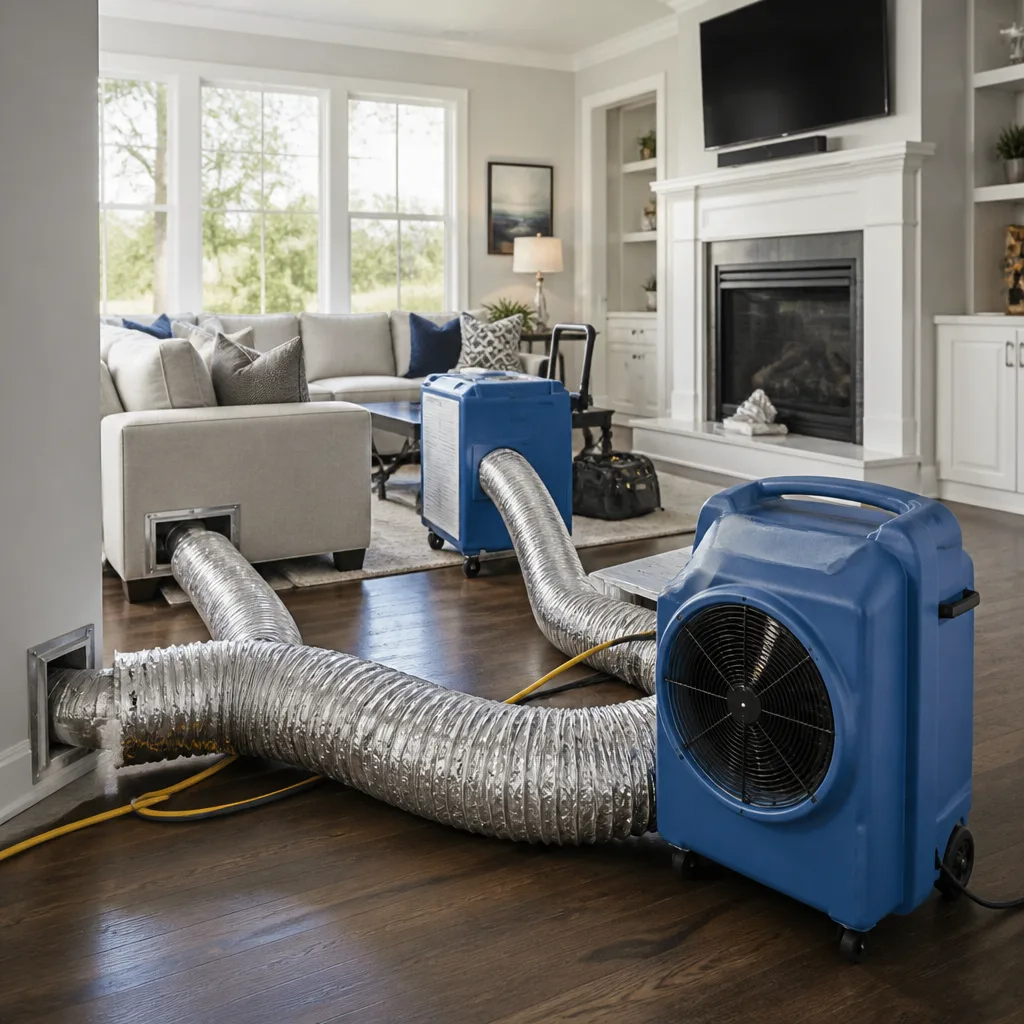 Whole-home duct cleaning
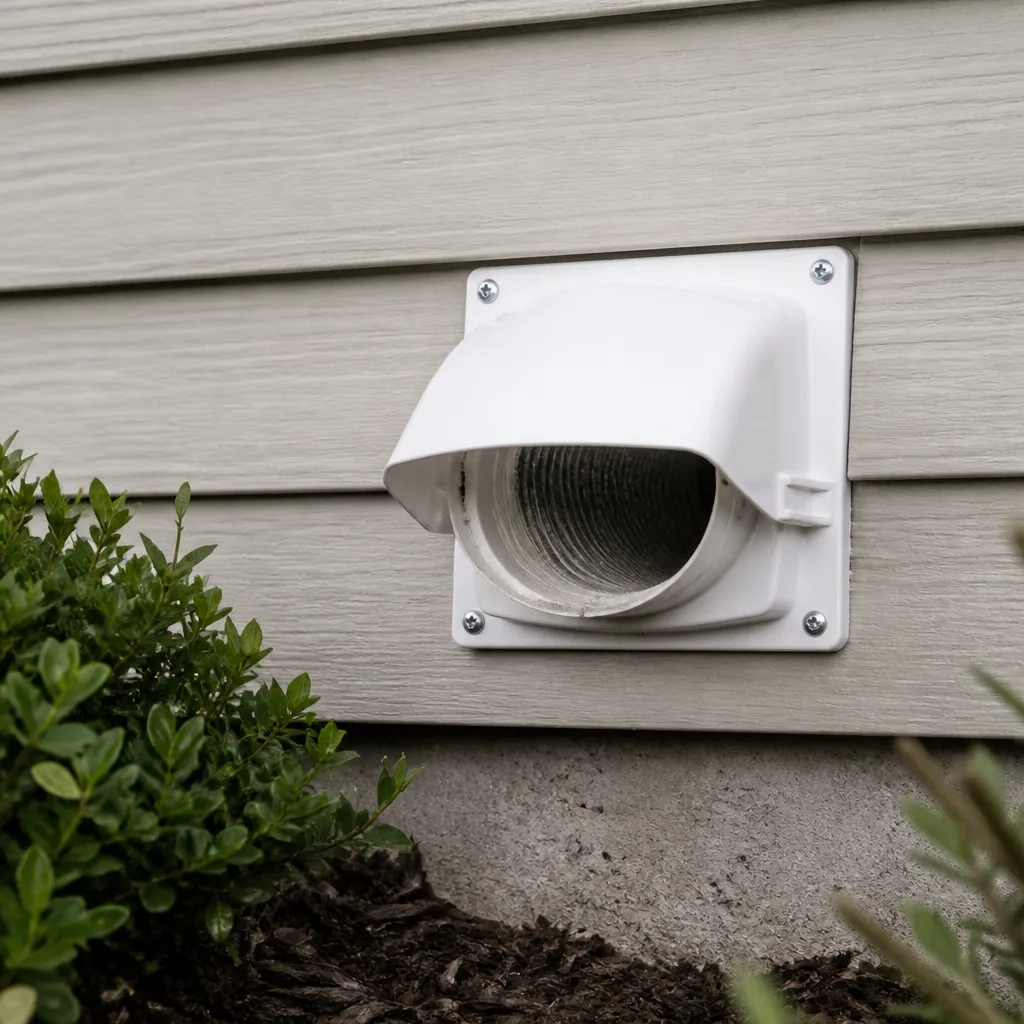 Dryer vent cleaning
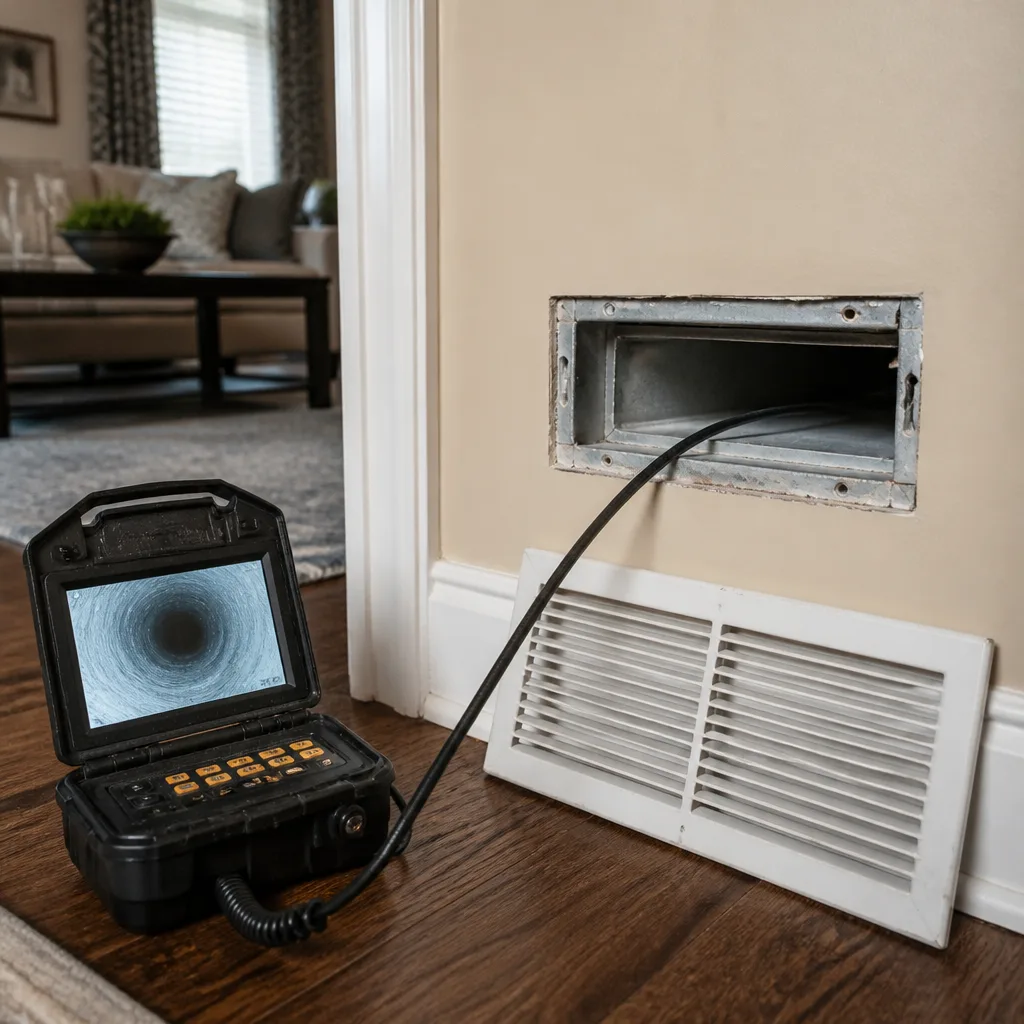 Camera inspection
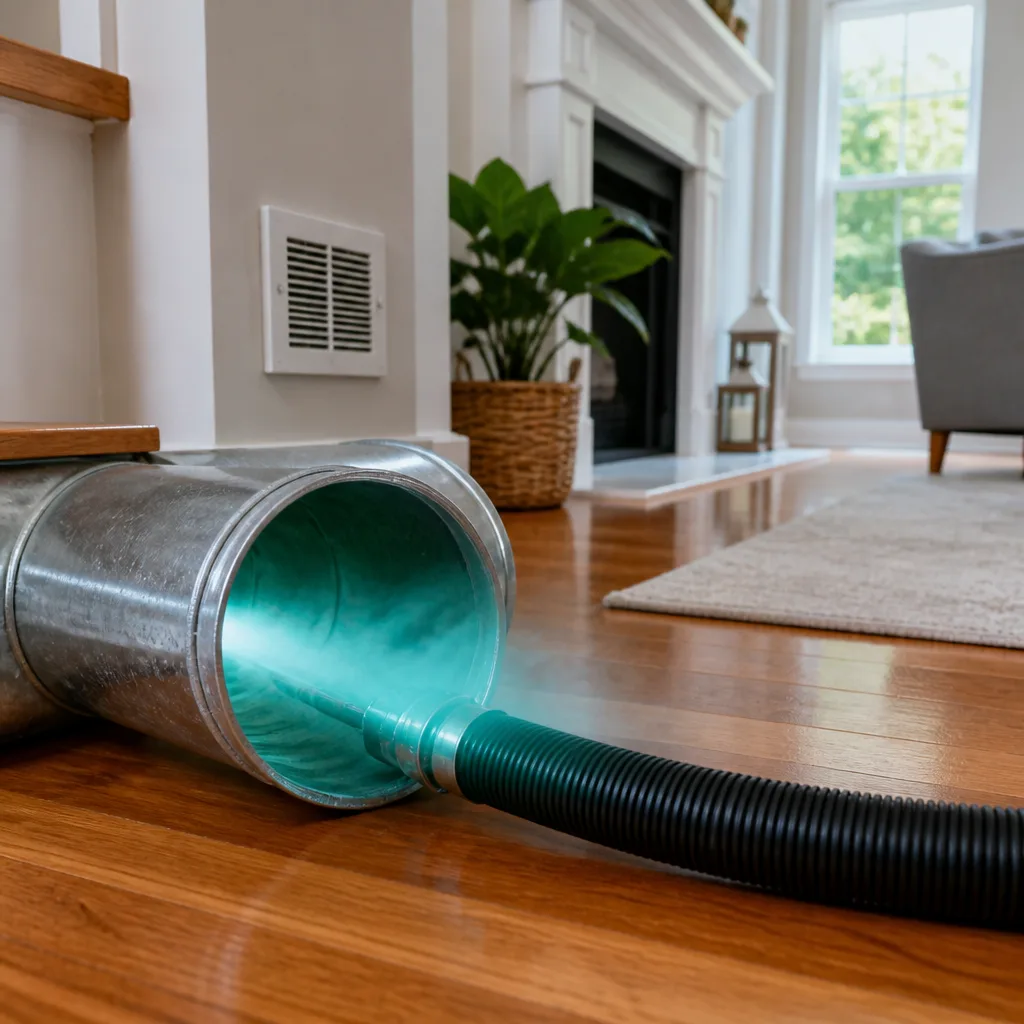 Sanitizing & deodorizing
Whole-system duct and dryer vent check with before-and-after photos - you see exactly what came out of your vents
That "$99 whole-house special" is a bait ad - the real number appears once they are in your hallway, or the "clean" is a shop-vac at the register. We photograph the inside of your ducts before and after instead.
Choosing the Right Air Duct Cleaning Brand: A Buyer’s Guide for Tallahassee
Most homeowners have no way to evaluate the equipment in a duct cleaning van before the technician starts work. That’s the uncomfortable truth of this trade: the machine that determines whether your ducts actually get clean sits in a truck you’ll never open, run by a contractor whose reviews you found on your phone. And reviews don’t tell you what equipment shows up. They tell you whether someone was polite and whether the invoice matched the quote. But the brand names on that equipment tell you more about service quality than a five-star average does. This guide shows you what to look for, what to ask, and how to read the answer when it’s vague. If you’re searching for the best air duct cleaning company in Tallahassee, the equipment conversation is where the real vetting starts.
Quick Answer
The brand of equipment a duct cleaning company uses is the most reliable quality signal available to you before you hire, because professional-tier tools like Rotobrush, Nikro, and Abatement Technologies cost far more than general-purpose vacuums and aren’t carried by crews who clean ducts on the side. Ask any Tallahassee contractor to name their vacuum system, their filtration rating, and their inspection tools; if the answer is vague (“we use professional equipment”), that’s your answer.
In Tallahassee’s pollen-heavy air, a HEPA-rated extraction system captures what gets stirred up instead of recirculating it back into your home, so filtration ratings matter more here than in many markets. Insist on before-and-after photos of your own ducts as proof of completed work.
Styles & brands we work with
- Whole-home duct cleaning
- Dryer vent cleaning
- Camera inspection
- Sanitizing & deodorizing
Table of Contents
- >Why Equipment Brands Beat Reviews and Pricing as a Quality Signal
- >The Three Benchmarks: Rotobrush, Nikro, and Abatement Technologies
- >What Negative Pressure Really Means in Your Home
- >HEPA Filtration and Tallahassee’s Pollen Season
- >EPA-Registered Antimicrobials vs. Generic Foggers
- >Inspection Cameras and the Documentation Gap
- >The Questions to Ask Before You Hire
- >Honeywell and Aprilaire: Why Whole-Home Awareness Matters
Why Equipment Brands Beat Reviews and Pricing as a Quality Signal
A review average measures whether a past customer felt good about an interaction. It doesn’t measure airflow. It doesn’t measure how much debris left the system. It doesn’t tell you whether the technician ran a camera before and after, or whether the “vacuum” in the driveway was a shop vac with a hose taped on. For air duct cleaning in a market where a low-bid flyer can arrive in your mailbox the same week as a reputable specialist, you need a signal that works before the work begins.
Equipment is that signal, for three practical reasons:
- Cost of entry. Professional duct cleaning systems cost several times what a consumer or general-cleaning unit does. A crew that does ducts occasionally won’t buy one. A crew that does this daily can’t work without one.
- Visible in the driveway. You don’t have to take anyone’s word for it. The brand is on the unit. Rotobrush systems are recognizable; Nikro and Abatement Technologies units are too. You can look before the technician walks in.
- Tied to capability. Different machines do different jobs. A negative pressure vacuum, a HEPA extractor, and an antimicrobial delivery system all solve different problems, and a contractor who owns all three understands the difference.
The equipment question also cuts through the biggest hesitation in this trade: the suspicion that a low coupon figure will become a much larger invoice once the technician is standing in your hallway. Crews that invested in proper equipment don’t need to bait and switch. They price per system, agree to a flat number before work starts, and can show you the before-and-after photos instead of upselling you into fogger treatments you didn’t ask for. That confidence shows up in a straight answer to a simple question: what do you use?
The Three Benchmarks: Rotobrush, Nikro, and Abatement Technologies
Professional-tier duct cleaning equipment falls into a few recognizable families. You don’t need to memorize model numbers, but you should know the names and what each one is built to do. When a contractor uses these brands, you can read the rest of their approach from that.
Rotobrush
Rotobrush is the name that shows up most often in single-family residential work. The system combines a rotating brush head with a vacuum that captures loosened debris at the source, and it’s built to travel inside the duct run rather than just blow air through it. If a crew in Tallahassee says “we run Rotobrush,” that’s meaningful: it tells you they expect to agitate the duct wall, not just pull air from a register. Rotobrush has been purpose-built for duct work since its introduction and is not something a general cleaning company carries.
Nikro Industries
Nikro makes vacuum and containment systems that hold up to repeated commercial-duty use. Where Rotobrush often handles brush work in the supply and return runs, a Nikro unit is typically pressed into continuous negative-pressure duty. If a contractor mentions Nikro, ask follow-up questions: what’s the system’s airflow rating, where does the exhaust go, and how does the crew keep negative pressure while they work? The answer tells you whether the equipment is being run as designed or just parked in the driveway as scenery.
Abatement Technologies
Abatement Technologies is the third benchmark, and in our experience it’s the one that signals a real containment capability rather than surface-level cleaning. Abatement builds equipment for contaminant containment: negative air machines, HEPA filtration, and extraction systems used in environments where particles have to be captured, not just moved. A duct cleaning crew running Abatement gear is set up to hold dust, particulate, and mold spores inside a closed system during the job. That’s the difference between “cleaning” and “disturbing.”
Here’s what to look for in a negative pressure setup, whether it’s Nikro, Abatement, or another professional brand:
- The vacuum exhausts to the outdoors, not into your living space.
- The system holds pressure across the entire run, not just the register nearest the truck.
- The crew seals openings as they move, so debris doesn’t leak out when they switch runs.
- They can tell you the filtration rating without looking it up.
Unbranded portable units can technically pull air through a duct. What they can’t do is hold a whole-home system under vacuum long enough to matter. The equipment is the promise.
What Negative Pressure Really Means in Your Home
A duct cleaning without negative pressure can make your indoor air worse before it gets better. The idea is simple: put the entire duct system under a slight vacuum, so that any debris the brushes loosen gets pulled toward the collection point instead of pushed out through the supply registers into the rooms where your family is standing. If a crew doesn’t establish that vacuum, the agitation step just distributes dust.
In Tallahassee, this matters because of how much happens in the air during a typical year. Pollen is heavy through late winter and spring. Humidity is high through the summer and into early fall. Airborne particulate from yard work, road dust, and construction traffic in the area all find their way into the return side of a home’s HVAC system. Once it settles in the ducts, the way it comes out matters as much as the fact that it comes out.
Here’s the practical test. Ask the technician three questions before they connect a hose:
- Where does this vacuum exhaust? The answer should be outside, not into another room.
- How do you keep the system under negative pressure as you move between runs? A good answer will describe sealing off the openings not currently being worked.
- What’s the unit’s filtration rating? A professional will tell you plainly; a crew that borrowed a shop vac won’t have an answer.
If the crew sets up a hose in a hallway, drops a window, and turns on a consumer-grade unit, the physics doesn’t change. Dust is disturbed, not captured. That’s the gap between a superficial visit and an actual cleaning job, and it’s why general-purpose cleaners can offer a duct cleaning price that seems too good to be right. It’s not the same service.
HEPA Filtration and Tallahassee’s Pollen Season
HEPA filtration on extraction equipment matters more in Tallahassee than in many metros because the local air is loaded for much of the year. What gets captured versus recirculated is the specific question: a system rated to hold fine particulate at the exhaust does something very different from a unit that pulls air through a coarse cloth bag.
The distinction is technical but worth understanding:
- Coarse-bag collection. Captures large debris – hair, fibers, dust bunnies – and lets fine particulate travel on through the exhaust. If that exhaust points into your home, those particles end up where they started.
- HEPA-rated collection. Holds back fine particulate, including the small pollen grains and dust fractions that trigger most allergic reactions. The captured material stays in the unit until the crew empties it.
- Combined system. A HEPA-rated vacuum paired with proper negative pressure setup is the combination that actually keeps contaminants out of your air during the job.
If someone in the house deals with allergies, or if there are young children, this is the part of the process that earns its value. Agitating ducts in a home with high pollen load without proper filtration is a bad trade – you loosen more than you remove. Ask about the HEPA rating on the extraction unit before you book, and ask whether the rated filter is what will actually be running during the visit, not just what the manufacturer says is available.
What “HEPA-rated” should mean to you
Any crew can say the word. The question to ask is: is the machine I’m going to see in my driveway run with a HEPA filter installed, and can you show me the filter itself? If the answer is “yes, it’s installed” and they point to the filter housing, you’re dealing with someone who knows what they own. If the answer is vague, the filter may not be doing what you think it is.
EPA-Registered Antimicrobials vs. Generic Foggers
This is where the duct cleaning industry has earned much of its bad reputation among skeptical homeowners. A technician arrives, offers to “treat” the ducts with a fogger or a spray, and adds a line item for it. Sometimes that’s appropriate. Often it isn’t. The difference between a legitimate antimicrobial application and a chemical smell left behind is the product and the reason.
Products registered with the EPA for use inside HVAC systems are what you want to hear named if the topic comes up. Benefect is one you’ll see in professional work – a plant-based antimicrobial formulated for restoration and remediation environments. BioZide is another registered product line used in duct and surface remediation. Both are on-file with their registration details; both are sold through professional supply channels; neither shows up in a residential cleaning kit from a big-box store.
When an antimicrobial is appropriate
- There’s visible biological growth inside the ductwork, confirmed by camera inspection.
- There’s a documented moisture intrusion event that left the system damp and odors persist after cleaning.
- A restoration context (water damage, prior mold remediation in the surrounding structure) makes residual spores a reasonable concern.
When it isn’t
- The ducts are dusty but dry. Cleaning is the answer; spraying is not.
- There’s no evidence of growth, just a sales pitch attached to the visit.
- You’re being quoted a treatment before anyone has looked inside.
The honest position is that most duct cleanings don’t need a treatment. The equipment does the work. If a crew leads with “you’ll need the antimicrobial” before they’ve run a camera, that’s a signal about how they run their business. Benefect or BioZide should show up when the situation calls for it, not on every invoice.
Inspection Cameras and the Documentation Gap
Without a camera, you’re taking the contractor’s word that the ducts are clean. That’s the whole problem. Ducts are dark, hidden, and inaccessible by design. Cleaning them without documenting what happened is asking the homeowner to trust an invisible process – which is exactly the discomfort that keeps people searching for the best air duct cleaning company in Tallahassee in the first place.
Professional camera inspection uses tools built for the job. Ridgid makes plumbing and HVAC inspection cameras that fit inside duct runs and transmit a clear image back to the technician’s screen. FLIR thermal imaging captures surfaces and moisture signatures that a visible-light camera can’t show – which matters when you’re checking whether a duct is actually dry or whether moisture is feeding a problem you can’t see. Both are standard in a properly equipped duct cleaning operation. Neither is standard in a crew that cleans ducts on the side.
What good documentation looks like
- Before photos. Interior shots of the supply and return runs, the main trunk, and the plenum areas. You should see them before work begins.
- Before photos at problem points. If there’s a disconnected duct, a crushed flex run, or a moisture issue, the camera captures it and the technician walks you through it.
- After photos of the same locations. Same runs, same angles. You can put them side by side and see what changed.
- Written notes. Anything the camera showed that the cleaning can’t fix, particularly duct damage that needs repair.
This is where duct repair enters the picture too. If the camera shows a crushed or disconnected section, cleaning that run is a partial job. Duct repair isn’t an add-on; it’s part of a complete job. A crew that owns inspection gear is set up to find damage and tell you about it. A crew that doesn’t owns a hose and a promise.
The Questions to Ask Before You Hire
This is the practical part. Sit down with a phone and four questions. A contractor who can answer them without hesitation is one worth booking. A contractor who deflects is telling you something useful. Use this list as your vetting script:
- “What vacuum system will you bring to my home?” Listen for a brand: Rotobrush, Nikro, Abatement Technologies, or another professional-tier name. If the answer is “a commercial vacuum,” ask which one.
- “What’s the HEPA rating on that system, and will the filter be installed during my job?” A professional will tell you plainly. A deflector will pivot to price.
- “Where does the vacuum exhaust during the cleaning?” Out of the house, ideally outdoors. Not into a bedroom.
- “Will you run an inspection camera before and after, and will I get the photos?” Yes and yes. If either half of that is a no, you’ve found the gap.
Two more optional questions that reveal a lot:
- “What’s your flat price per system, and will you confirm it in writing before work starts?” The right answer is one flat price per system, agreed before anyone arrives, with no per-vent add-ons.
- “Do you handle dryer vent cleaning as well, or just air ducts?” A specialist who covers both knows the airflow side of a home. Take a look at dryer vent cleaning if the dryer is part of what you’re worried about.
What you’re listening for underneath the answers is whether the person on the phone knows what they own without having to check. That’s the difference between a crew whose equipment is the center of their job and a crew for whom the equipment is one tool among many. If the answers are evasive, that’s a disqualifying signal. Not a red flag, a disqualification. There are other companies.
Honeywell and Aprilaire: Why Whole-Home Awareness Matters
Ducts don’t exist in isolation. They are the delivery system for a whole-home air setup, and the equipment connected to them – filtration, humidification, dehumidification, ventilation – sets much of what actually happens in your air. A duct cleaning specialist who understands that system is going to clean differently than one who doesn’t.
Honeywell and Aprilaire are the two names you’ll find in most well-equipped homes around Tallahassee. Honeywell makes media filters, electronic air cleaners, UV air treatment systems, and the controls that run them. Aprilaire makes whole-home filtration, humidification, and dehumidification equipment – which matters in this climate, where a home can be too humid inside without a dehumidifier tuned to the house. Both brands are installed in new construction and retrofits, and both integrate directly with the ductwork that gets cleaned.
Why a specialist cares about these brands
If a home has an Aprilaire dehumidifier tied into the duct system, cleaning the ducts without addressing the dehumidifier intake and humidistat setup is an incomplete job. If a Honeywell media filter cabinet sits at the return plenum, the filter condition and the MERV rating matter to what gets pulled through the system, and cleaning without noting it wastes the visit.
A general HVAC contractor will install and service these brands. A duct specialist learns them because they sit at the front of the ducts. That’s the difference.
How to read the HVAC side of a duct cleaning
- A specialist will tell you when a duct problem is actually an HVAC-side problem and recommend a separate call. That’s a good sign, not a limitation.
- A specialist won’t offer to install a Honeywell or Aprilaire product without being set up to do that work – if the topic comes up, they point you in a direction rather than “we do it all.”
- A specialist knows how the duct system interacts with the air handler and won’t confuse the two.
You want a company whose job is the ducts, not one who treats duct cleaning as a footnote between tune-ups. Hillcrest Air Duct Cleaning is built around duct cleaning, duct repair, and dryer vent cleaning as the whole scope. Nothing else. That’s the point.
Common Mistakes to Avoid
- Booking on price alone. The lowest quote in Tallahassee usually reflects the equipment the crew doesn’t own. If the number is dramatically lower than the specialists on your shortlist, find out what’s missing before you say yes.
- Accepting “we use professional equipment” as an answer. That phrase means nothing. Ask for brand names. Rotobrush, Nikro, and Abatement Technologies are answers; “professional” is not.
- Paying per vent when a flat per-system price is available. Per-vent pricing rewards the contractor for counting more vents, not for cleaning the system well. A flat price per system agreed before work starts is the fairer structure.
- Skipping the camera documentation. If the crew doesn’t show you before-and-after photos of your own ducts, you have no record that cleaning happened. Insist on the photos before the technician starts.
- Buying an antimicrobial treatment without evidence. A fogger on every job is a sales line, not a service. If the technician pitches a treatment before running a camera, that’s a reason to slow down.
- Ignoring the dryer vent. A clogged dryer vent is a real fire risk, and many homeowners in Tallahassee have never had theirs looked at. When you book duct cleaning, ask about the dryer vent at the same time.
- Not asking about containment during the job. If the exhaust points into the living room, the “cleaning” is redistribution. Ask where the vacuum exhausts before the technician sets up.
See the difference
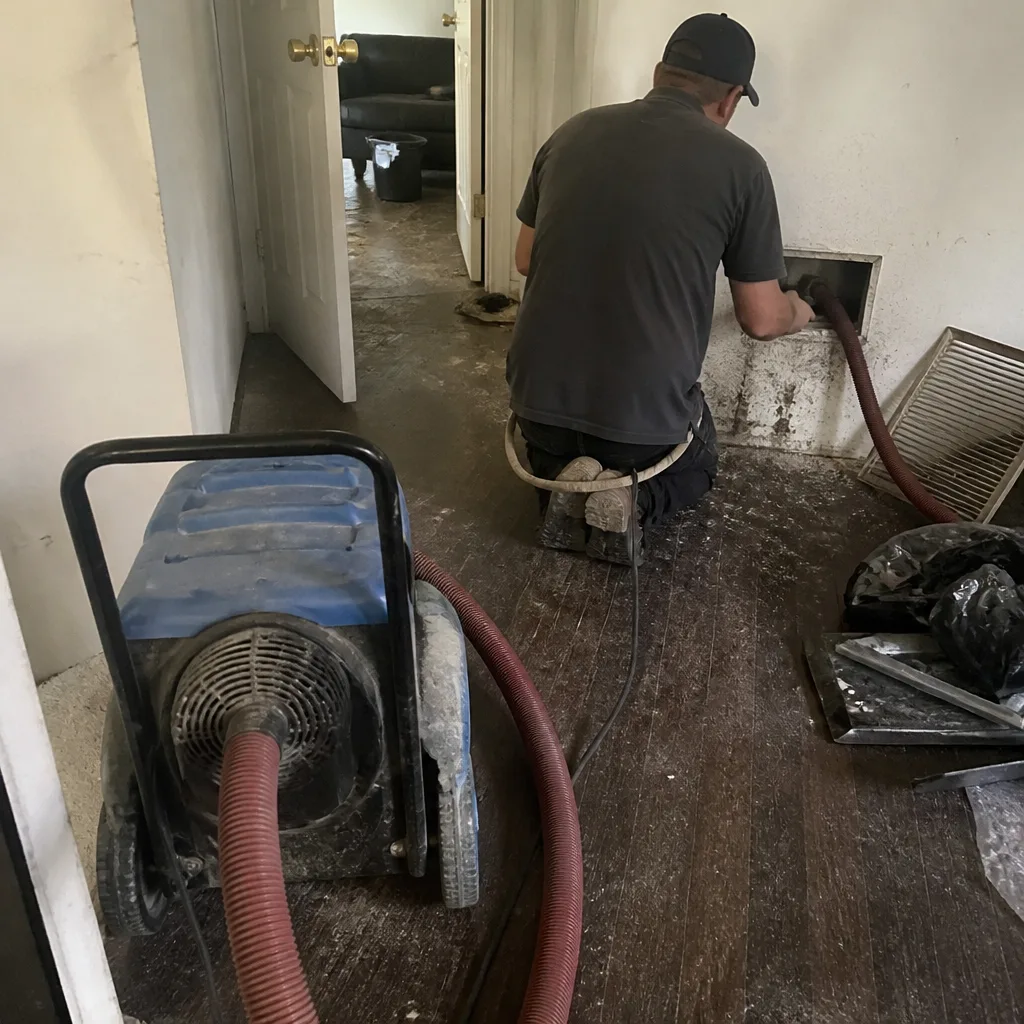 Before
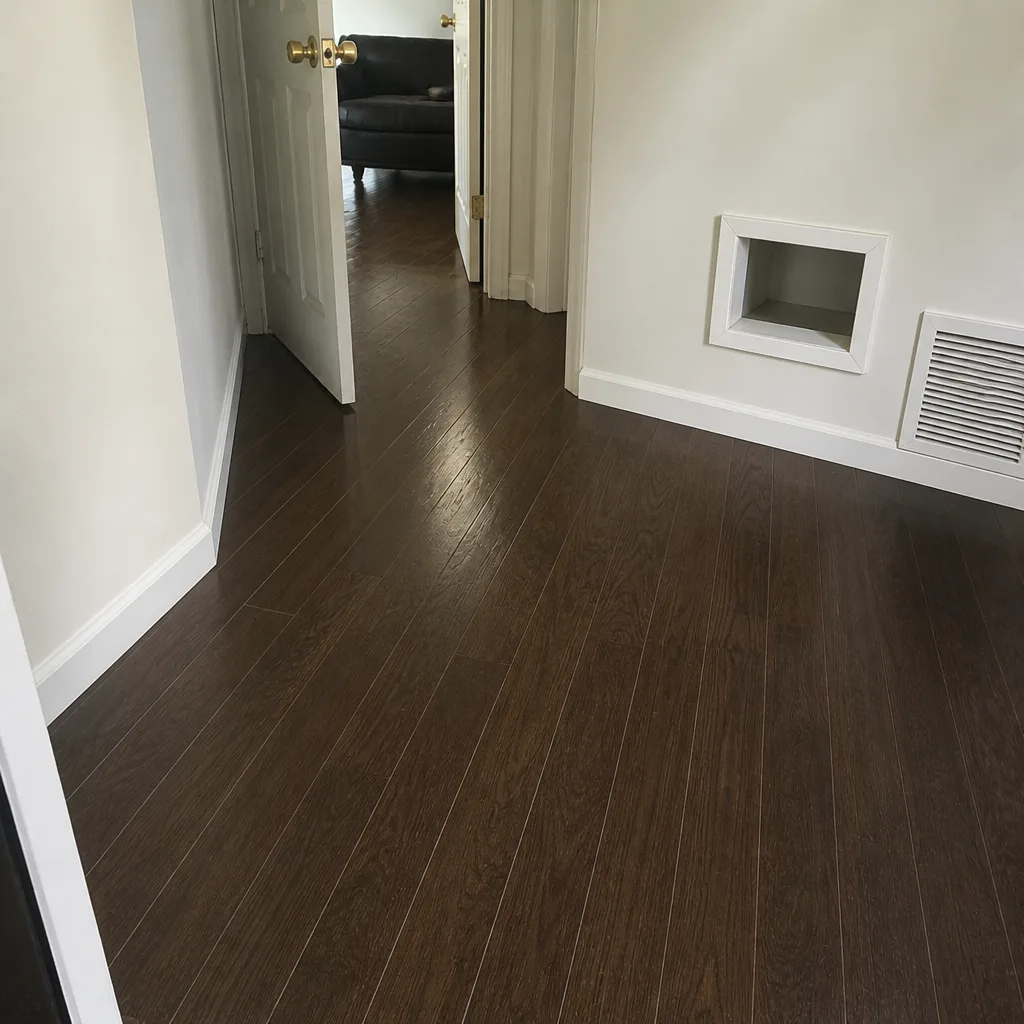 After
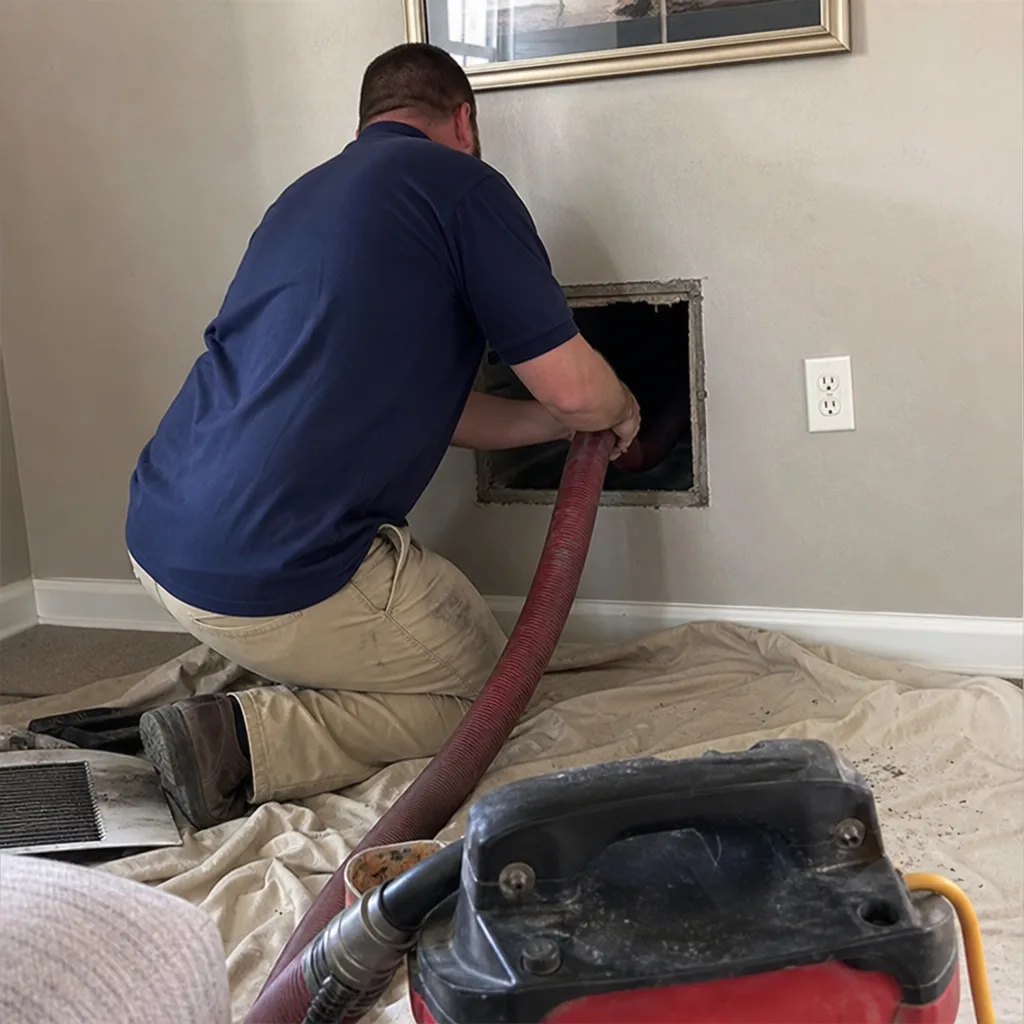 Before
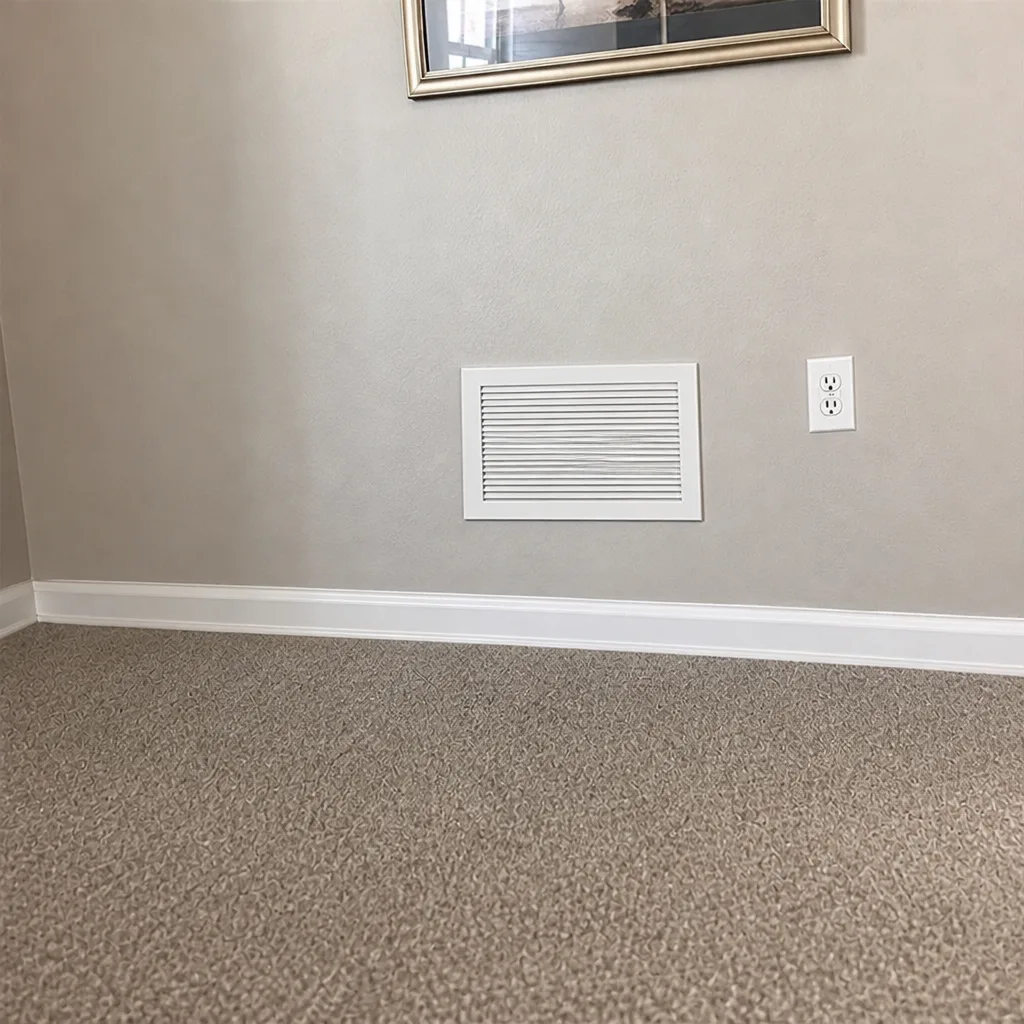 After
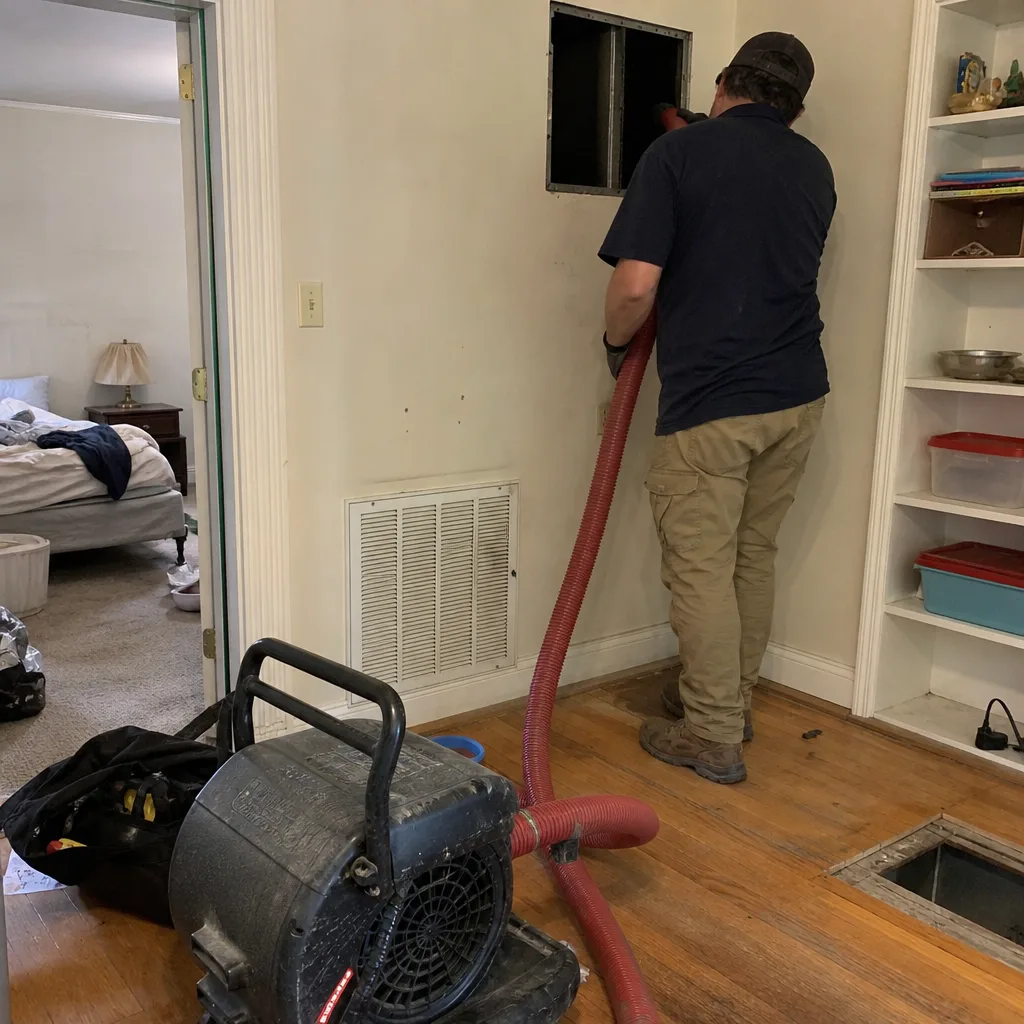 Before
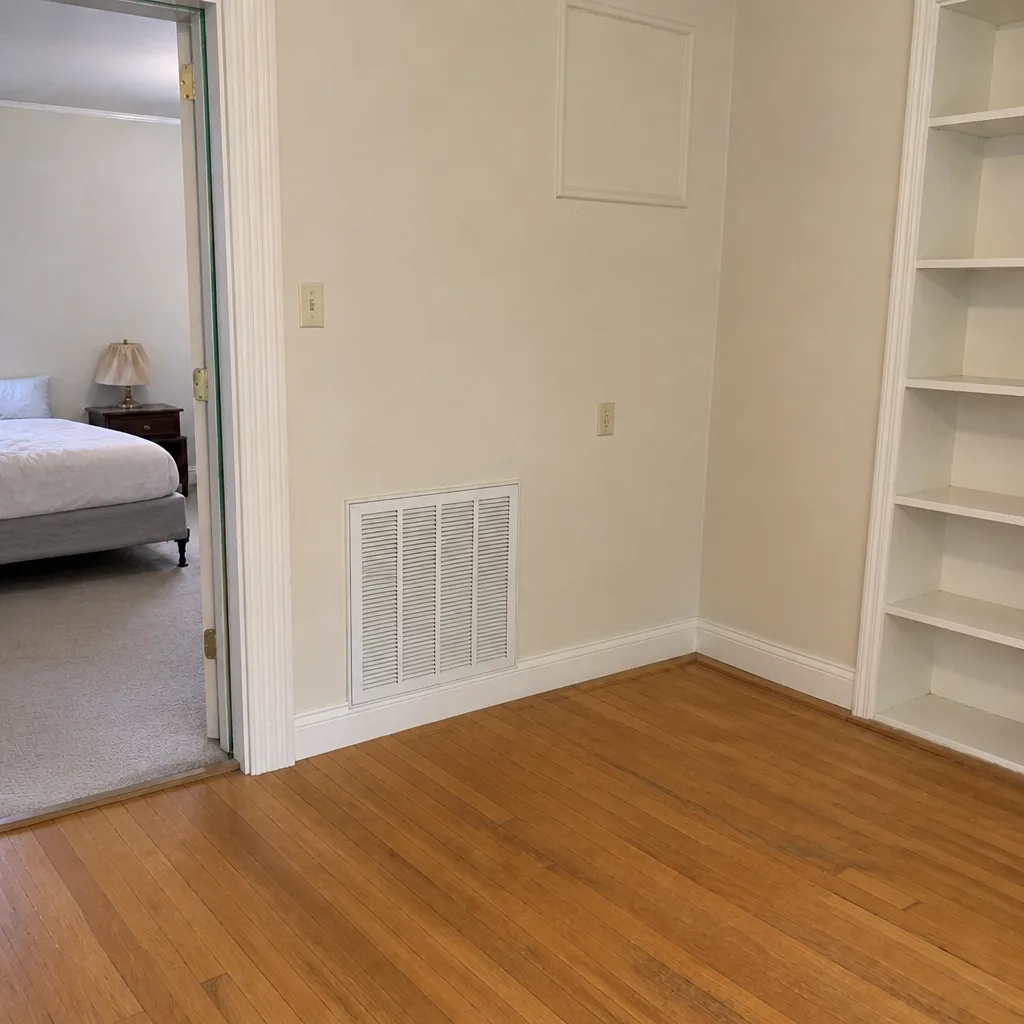 After
When to Call a Professional
A duct cleaning is worth scheduling when visible dust collects on registers fast, when someone in the household is reacting to indoor air in a way that tracks with HVAC cycles, or after a renovation that sent drywall and sawdust into the return side. It’s worth scheduling when the home is more than a decade old and ducts have never been looked at. It’s worth scheduling when the dryer is taking longer to dry clothes – the vent needs a look too. And it’s worth scheduling when the ducts themselves may be damaged, since a crushed or disconnected run wastes a portion of every heating and cooling dollar you spend.
HIllcrest Air Duct Cleaning offers free estimates in Tallahassee – call (888) 721-9610. We answer 24/7. Fast dispatch from 7am to 7pm, Sunday through Friday.
Frequently Asked Questions
Judge the equipment, not the ad copy. Professional-tier brands – Rotobrush, Nikro, Abatement Technologies – are the benchmark because they cost what general-purpose crews can’t justify and they’re built for this job specifically. Ask for brand names and a filtration rating. If a Tallahassee company can name the equipment on the truck and describe the exhaust setup, they’re in a different tier than a crew that answers “we use professional equipment.” Call (888) 721-9610 for an exact quote – estimates are free.
Cheap quotes usually reflect cheap equipment and a superficial process: a consumer-grade vacuum in the driveway, no HEPA rating, no camera, and an antimicrobial upsell attached to the invoice. A thorough cleaning takes longer and uses equipment that costs more to run. The honest comparison isn’t the sticker price – it’s what gets done. Ask what’s included and what the crew brings. Then call (888) 721-9610 to see where a real specialist quote lands.
Pricing is per system and depends on the layout of the home and the number of runs, which is why we set a flat price by written estimate before any work begins. That flat price covers the whole system – no per-vent add-ons, no antimicrobial upsells, no surprise invoice when the technician is on-site. Call (888) 721-9610 and we’ll give you a real number after we look at what you have.
Most homes don’t need it on a fixed schedule. A reasonable rule is to have a camera inspection done if it’s been several years or if the home has never had one, and to clean when the inspection shows the kind of buildup that limits airflow or feeds allergens – not on a calendar the contractor set for you. Homes with pets, allergies, or a recent renovation move up that timeline. Tallahassee’s pollen load adds another reason to check in spring. Call (888) 721-9610 for an honest look.
You should see before-and-after photos of your own ducts, taken with an inspection camera at the same locations. Without those photos, you’re taking someone’s word for an invisible job. Ask before the visit whether the crew runs a camera pre- and post-cleaning and whether you’ll get the images. If the answer is no on either count, book someone else. Call (888) 721-9610 for before-and-after photos on every job.
Sometimes. When the camera shows actual biological growth, or after a documented moisture event, an EPA-registered product like Benefect or BioZide is the right call. When the ducts are just dusty, cleaning is the answer – a fogger adds a chemical smell and not much else. The right question to ask the crew is “did you see growth on camera?” If they can’t answer that clearly, they’re selling, not diagnosing. Call (888) 721-9610 for a straight answer on your setup.
The Bottom Line
The brand on the truck is the most honest thing a duct cleaning company tells you. Rotobrush, Nikro, and Abatement Technologies are the names of a crew that treats this as a specialty. HEPA ratings, negative pressure, and inspection camera documentation are the process details that turn a “cleaning” into an actual cleaning. Ask the questions. Listen for the answer that names equipment, not adjectives. Then check Hillcrest Air Duct Cleaning and give us a call – we work with Rotobrush and Nikro on every job, and we document the work with cameras so you can see what happened inside your ducts. Whether your home is in midtown, near the universities, or out toward the lakes, we serve the Tallahassee area and treat the ducts as the whole job. Our technicians have up to 9 years of experience.
Call (888) 721-9610 for a free estimate. We answer 24/7. Fast dispatch from 7am to 7pm, Sunday through Friday. Licensed and insured, and every job is priced per system with a flat estimate agreed before work starts.
Written by the team at Hillcrest Air Duct Cleaning.